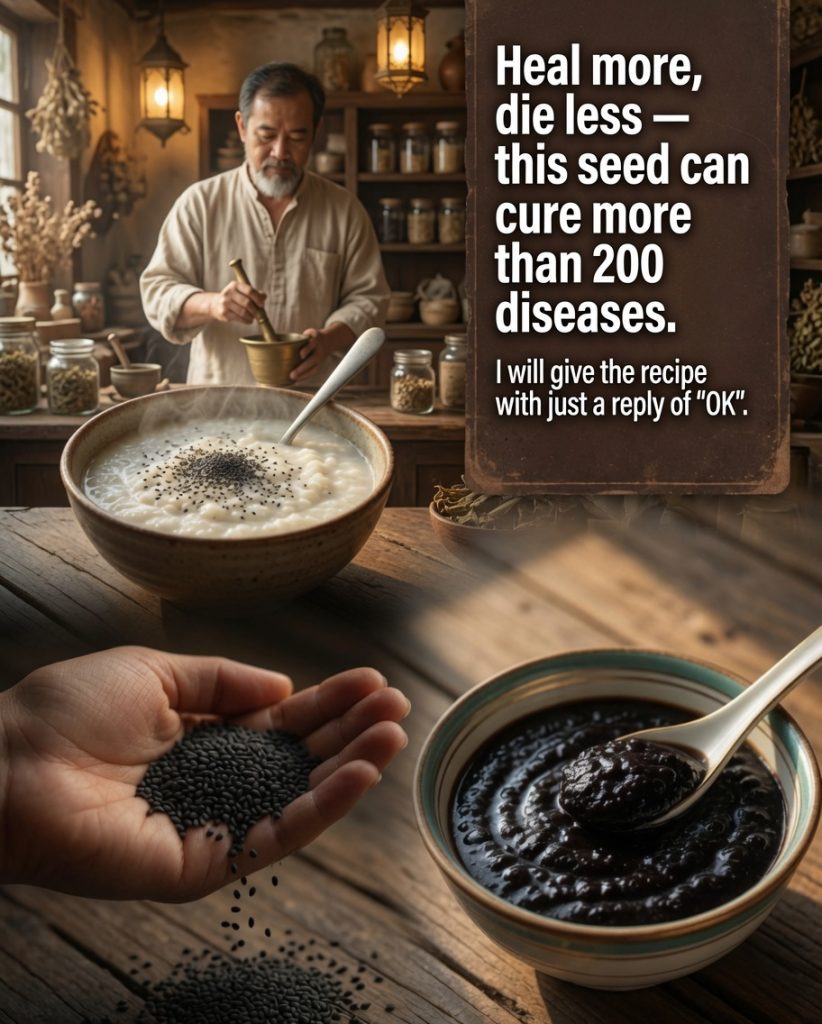
🌱 Black Seed: A Traditional Herbal Remedy with a Long History
For centuries, Black Seed (Nigella sativa) has been valued in traditional wellness practices throughout the Middle East, Asia, and Africa.
It is often referred to as the “Seed of Blessing” and is associated with a well-known historical saying describing it as a seed beneficial for many ailments. While this phrase reflects its respected place in traditional medicine, modern science continues to investigate its properties and does not consider it a cure-all.
Today, Black Seed remains one of the world’s most widely used traditional herbs and is commonly enjoyed as a spice, herbal tea, culinary ingredient, or cold-pressed oil.
It is also known by several names:
Black Seed
Black Cumin
Kalonji
Black Caraway
Habbatussauda
Habbat al-Barakah (“Seed of Blessing”)
Its tiny black seeds are rich in naturally occurring plant compounds that continue to attract scientific interest.
🧪 What Makes Black Seed Special?
Researchers have identified numerous bioactive compounds within Nigella sativa.
Among the most studied is thymoquinone, a naturally occurring antioxidant that has shown promising biological activity in laboratory and animal studies.
Black Seed also contains:
Essential fatty acids
Flavonoids
Alkaloids
Saponins
Vitamins and minerals
Natural antioxidants
Together, these compounds contribute to Black Seed’s long-standing reputation as a supportive herbal food.
🌿 Potential Health Benefits Being Studied
Although research is ongoing, studies suggest Black Seed may support several aspects of general wellness when included as part of a healthy lifestyle.
1. Supports Normal Immune Function
Black Seed has traditionally been used to help support the body’s natural defenses.
Its antioxidant compounds may contribute to protecting cells from oxidative stress while supporting normal immune function.
It should be viewed as a complement to healthy living—not a replacement for medical care.
2. Provides Natural Antioxidant Support
Oxidative stress is a normal part of aging and everyday life.
The antioxidants naturally found in Black Seed may help support the body’s ability to manage free radicals, contributing to overall wellness.
3. Supports Respiratory Wellness
In traditional herbal practices, Black Seed has often been included in remedies intended to promote respiratory comfort.
It has commonly been combined with honey or herbal teas to support:
Seasonal respiratory wellness
General breathing comfort
A soothing herbal routine during colder months
These traditional uses continue to be explored by researchers, but more human studies are needed.
4. Supports Skin and Hair Care
Black Seed oil has become a popular ingredient in natural beauty products.
Many people use it to help:
Moisturize dry skin
Support scalp health
Improve the appearance of healthy hair
Soothe dry or irritated skin
Its nourishing fatty acids make it a favorite addition to many herbal skincare routines.
5. May Support Healthy Blood Sugar Already Within the Normal Range
Some preliminary studies have explored whether Black Seed may help support normal glucose metabolism when combined with a balanced diet and regular physical activity.
However, it should never replace prescribed diabetes treatment or medical advice.
6. Supports Digestive Wellness
Traditionally, Black Seed has been used to support comfortable digestion.
Many people enjoy it as a tea or culinary spice to complement a healthy digestive routine.
7. Supports Heart-Healthy Living
As part of an overall healthy lifestyle, Black Seed may contribute to cardiovascular wellness through its antioxidant content.
A heart-friendly lifestyle also includes:
Regular physical activity
Balanced nutrition
Adequate sleep
Stress management
No single herb can replace these healthy habits.
🍵 Traditional Ways to Enjoy Black Seed
Black Seed Tea
Ingredients
1 teaspoon lightly crushed Black Seeds
1 cup hot water
Directions
Gently crush the seeds.
Pour hot water over them.
Steep for about 10 minutes.
Strain before drinking.
Optional additions include:
A teaspoon of honey
Fresh lemon juice
Ginger slices
Black Seed Oil
Cold-pressed Black Seed oil is commonly used in small amounts.
Some people choose to:
Add a small amount to smoothies
Mix it into yogurt
Stir it into herbal tea after cooling
Apply it externally to the scalp or dry skin
Always follow the product’s directions and avoid excessive intake.
🔬 What Does Modern Research Say?
Scientific interest in Nigella sativa has grown considerably over the past two decades.
Researchers continue to investigate its potential:
Antioxidant activity
Anti-inflammatory properties
Antimicrobial effects
Supportive role in metabolic health
While many laboratory and early clinical findings are encouraging, larger, high-quality human studies are still needed before firm medical conclusions can be made.
Current evidence supports continued research—not claims that Black Seed can cure disease.
🌱 Tips for Including Black Seed in a Healthy Lifestyle
If you’d like to explore Black Seed, consider using it as part of an overall wellness routine:
✅ Eat a balanced diet rich in whole foods.
✅ Stay physically active.
✅ Get enough sleep.
✅ Stay hydrated.
✅ Use herbs to complement—not replace—healthy habits.
Natural ingredients often work best when paired with consistent lifestyle choices.
⚠️ Important Safety Considerations
Although Black Seed is widely used as both a spice and traditional herbal ingredient, it may not be suitable for everyone.
Possible side effects may include:
Allergic reactions
Digestive discomfort
Skin irritation when applied topically
Potential interactions with certain medications
Consult a qualified healthcare professional before using Black Seed supplements regularly if you:
Are pregnant or breastfeeding
Take medications for diabetes or blood pressure
Have a chronic medical condition
Are preparing for surgery
Moderation is always recommended.
🌟 Final Thoughts
Black Seed (Nigella sativa) has earned a remarkable reputation throughout history and remains one of the most respected herbs in traditional wellness practices.
Its naturally occurring antioxidants and plant compounds continue to attract scientific interest, particularly for their potential role in supporting immune health, respiratory wellness, skin care, and overall well-being.
While it should not be viewed as a miracle cure or a substitute for medical treatment, Black Seed can be a valuable addition to a balanced lifestyle when used thoughtfully and responsibly.
True long-term health is built through consistent habits, nutritious food, regular movement, quality sleep, and informed healthcare—not any single ingredient.
Frequently Asked Questions
Is Black Seed the same as black cumin?
Yes. Nigella sativa is commonly known as Black Seed, black cumin, Kalonji, or Habbatussauda, depending on the region.
Can Black Seed cure diseases?
No. While traditional medicine highly values Black Seed and research continues to explore its properties, there is no scientific evidence that it cures all diseases.
What’s the best way to use Black Seed?
Many people enjoy it as a culinary spice, herbal tea, or cold-pressed oil. Use it in moderation and consult a healthcare professional if you have existing medical conditions or take prescription medications.
Disclaimer: This article is for educational purposes only and is not intended to diagnose, treat, cure, or prevent any disease. Herbal products should be used as part of a balanced lifestyle and should not replace professional medical advice or prescribed treatments.