When people think about healthy foods, fruits, vegetables, and whole grains usually come to mind. But some of the most nutrient-dense foods on your plate may actually be much smaller—seeds.
Despite their tiny size, seeds are naturally packed with fiber, plant protein, healthy fats, vitamins, minerals, and antioxidants that can support many aspects of overall wellness. Adding a variety of seeds to your daily meals is an easy way to boost nutrition without making major changes to your diet.
No single food can provide every nutrient your body needs, but incorporating different types of seeds into a balanced eating pattern may help support heart health, digestion, energy levels, and overall vitality.
Important Note: This article is for educational purposes only. It is not intended to diagnose, treat, cure, or prevent any disease. Always consult a healthcare professional or registered dietitian if you have specific dietary needs or health concerns.
🌱 Why Are Seeds So Nutritious?
Seeds contain everything a new plant needs to grow, making them naturally rich in essential nutrients.
Many varieties provide:
- Dietary fiber
- Plant-based protein
- Healthy unsaturated fats
- Plant-based omega-3 fatty acids
- Magnesium
- Zinc
- Iron
- B vitamins
- Natural antioxidants
This impressive combination is why seeds are often considered a valuable addition to a healthy diet.
1. Chia Seeds: Tiny but Mighty ⚡
Chia seeds have become one of the most popular choices for healthy eating.
They naturally contain:
- Soluble fiber
- Plant-based omega-3 fats
- Protein
- Antioxidants
- Calcium
- Magnesium
Potential Benefits
✅ Supports healthy digestion.
✅ Helps you feel fuller for longer.
✅ Contributes to heart-friendly nutrition.
✅ Absorbs water to create a natural gel that adds texture and hydration to recipes.
Easy Ways to Enjoy Chia
Mix chia seeds into:
- Smoothies
- Yogurt
- Overnight oats
- Homemade puddings
- Breakfast bowls
For the best texture, soak chia seeds for 10–15 minutes before eating.
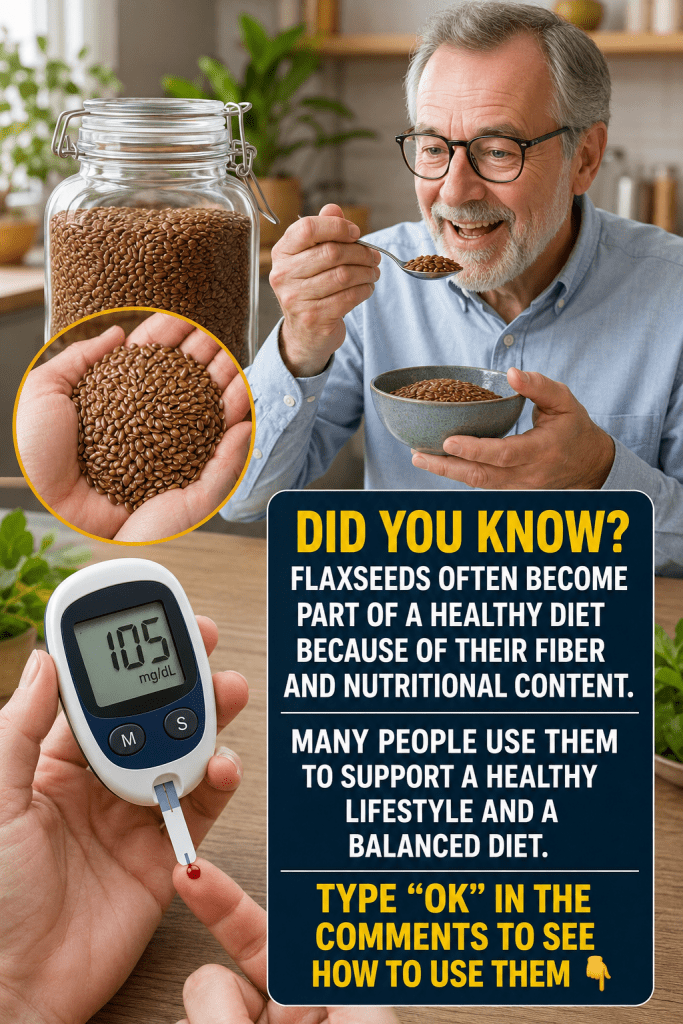
2. Flaxseeds: A Heart-Friendly Favorite ❤️
Flaxseeds are among the richest plant sources of omega-3 fatty acids.
They also provide:
- Soluble fiber
- Lignans (natural antioxidant compounds)
- Plant protein
Potential Benefits
✅ Supports healthy cholesterol levels already within the normal range.
✅ Promotes digestive health.
✅ Contributes to cardiovascular wellness.
✅ Helps protect cells from oxidative stress.
Ground flaxseed is generally easier to digest than whole seeds, allowing your body to absorb more of its nutrients.
Try adding it to oatmeal, smoothies, soups, baked goods, or salads.
3. Pumpkin Seeds: A Mineral-Rich Super Snack 🎃
Pumpkin seeds are well known for their impressive mineral content.
They naturally provide:
- Magnesium
- Zinc
- Iron
- Potassium
- Protein
- Healthy fats
Potential Benefits
✅ Supports normal muscle function.
✅ Helps maintain healthy energy production.
✅ Supports normal immune function.
✅ Contributes to healthy bones.
A small handful of roasted or raw pumpkin seeds makes a nutritious snack that’s easy to enjoy any time of day.
4. Sesame Seeds: A Traditional Source of Calcium 🦴
Sesame seeds have been enjoyed around the world for thousands of years.
They naturally contain:
- Calcium
- Magnesium
- Iron
- Copper
- Healthy fats
- Natural antioxidants
Potential Benefits
✅ Supports bone health.
✅ Contributes to normal muscle function.
✅ Helps protect cells from oxidative stress.
✅ Supports cardiovascular wellness.
One delicious way to enjoy sesame is tahini, a creamy paste made from ground sesame seeds that’s perfect for dressings, dips, and spreads.
5. Sunflower Seeds: Nutrition for Energy and Healthy Cells 🌻
Sunflower seeds are especially valued for their high vitamin E content.
They also contain:
- Healthy unsaturated fats
- Selenium
- Magnesium
- Protein
Potential Benefits
✅ Supports healthy skin.
✅ Helps protect cells with antioxidant nutrients.
✅ Supports normal immune function.
✅ Contributes to healthy energy metabolism.
Sunflower seeds add a satisfying crunch to salads, yogurt, oatmeal, homemade trail mix, and baked goods.
🍽️ Easy Ways to Add More Seeds to Your Meals
Adding seeds to your diet is simple and versatile.
Try sprinkling them into:
- Smoothies
- Yogurt
- Salads
- Soups
- Oatmeal
- Homemade bread
- Whole-grain cereal
- Healthy desserts
Even small daily servings can contribute valuable nutrients to your meals.
🍮 Simple Chia Pudding Recipe
Ingredients
- 2 tablespoons chia seeds
- 1 cup unsweetened plant-based milk
- A pinch of cinnamon
- Fresh fruit for topping
Directions
- Combine the chia seeds and milk.
- Stir well.
- Refrigerate overnight.
- Top with fresh fruit before serving.
This easy breakfast or snack is rich in fiber and naturally satisfying.
✨ Overall Benefits of Including Seeds in Your Diet
Although each seed has its own unique nutritional profile, many offer similar advantages.
Regularly enjoying a variety of seeds may help support:
- Healthy digestion
- Long-lasting fullness
- Heart health
- Normal immune function
- Daily energy
- Cellular protection from oxidative stress
Variety is the key to obtaining a broader range of nutrients.
🫀 Seeds and Heart Health
Many seeds contain healthy unsaturated fats, fiber, and antioxidants that fit well into heart-conscious eating patterns.
These nutrients may help support:
- Healthy circulation
- Cholesterol levels already within the normal range
- Healthy blood vessels
- Overall cardiovascular wellness
Combined with other healthy lifestyle habits, seeds can become a valuable part of a heart-friendly diet.
🌾 Why Fiber Matters
Fiber is one of the most valuable nutrients found in seeds.
It helps support:
- Healthy digestion
- A balanced gut microbiome
- Long-lasting fullness
- Healthy metabolism
Since many adults consume less fiber than recommended, adding seeds can be an easy way to increase daily fiber intake.
Remember to increase fiber gradually and drink enough water throughout the day.
🔬 What Does Research Say?
Researchers continue to study how nutrient-rich seeds may contribute to overall health.
Current evidence suggests that including seeds as part of a balanced diet may support:
- Heart health
- Weight management
- Digestive wellness
- Healthy inflammatory balance
- Normal energy metabolism
Rather than relying on a single “superfood,” experts recommend enjoying a wide variety of nutritious plant foods.
⚠️ A Few Things to Keep in Mind
While seeds are healthy for most people, it’s important to use them wisely.
- Enjoy moderate portions.
- Drink enough water when increasing fiber intake.
- Some individuals may have seed allergies.
- Store seeds properly to maintain freshness.
- Seeds should complement—not replace—a balanced diet or medical treatment.
💚 Healthy Habits That Maximize the Benefits
To get the most from nutrient-rich foods like seeds, combine them with other healthy lifestyle habits:
✔ Eat a colorful, balanced diet.
✔ Stay physically active.
✔ Get enough quality sleep.
✔ Drink plenty of water.
✔ Limit ultra-processed foods.
✔ Manage stress whenever possible.
Good health is built through consistent daily choices rather than any single food.
🌟 Final Thoughts
Seeds may be small, but they offer an impressive package of nutrition.
Whether you choose chia, flaxseed, pumpkin, sesame, or sunflower seeds, each provides valuable fiber, healthy fats, plant protein, vitamins, minerals, and antioxidants that can support overall wellness.
Adding just a small serving of different seeds to your meals each day is a simple, practical way to enrich your diet and support heart health, digestion, immune function, and lasting energy.
Sometimes, nature’s greatest nutritional treasures come in the smallest packages.
💚 Which of these nutritious seeds do you enjoy most? Share your favorite in the comments and inspire others to discover simple ways to nourish their health naturally!
