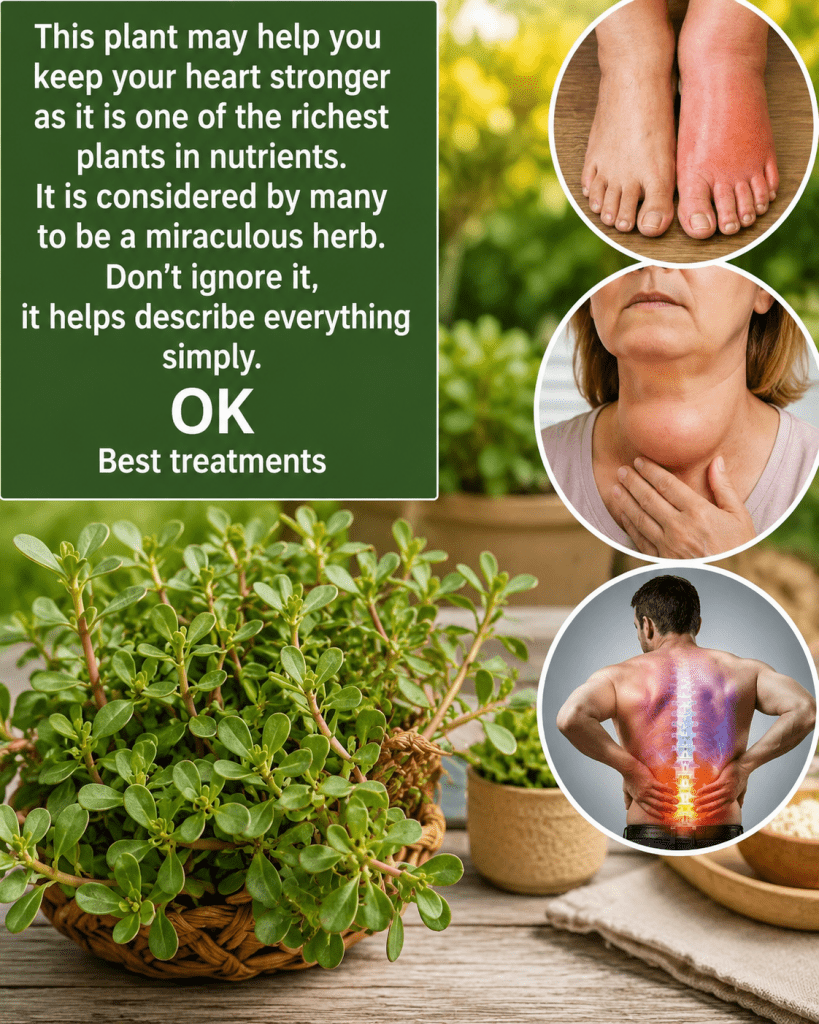
Walk through almost any garden, backyard, sidewalk, or warm outdoor space, and you may notice a small green plant growing between stones or along neglected patches of soil. Many people pull it out without a second thought, assuming it’s just another weed.
That plant is purslane—a resilient edible herb that has been appreciated for centuries in traditional cuisines and herbal wellness practices around the world.
Unlike many cultivated vegetables, purslane requires very little care. It thrives in poor soil, needs minimal watering, and grows naturally in many climates. Yet despite its humble appearance, it contains an impressive collection of nutrients, antioxidants, vitamins, minerals, and beneficial plant compounds.
Today, as more people seek simple, plant-based ways to support everyday wellness, purslane is making a well-deserved comeback.
In this guide, you’ll discover what makes purslane unique, explore over 20 potential wellness benefits, learn traditional ways it’s been used, and find three easy recipes you can prepare at home.
🌱 What Is Purslane?
Purslane (Portulaca oleracea) is an edible leafy succulent recognized by its smooth, fleshy leaves, tender stems, and slightly tangy flavor.
It has been enjoyed as both a food and a traditional herbal ingredient for generations across Asia, Europe, the Middle East, and the Americas.
One of the reasons purslane attracts so much attention is its exceptional nutritional profile. It is among the few leafy vegetables that naturally contain plant-based omega-3 fatty acids, along with vitamins, minerals, fiber, and antioxidant compounds.
Rather than relying solely on supplements, many people enjoy purslane as a fresh, whole-food source of these valuable nutrients.
🌿 Nutritional Highlights of Purslane
Purslane naturally provides a variety of nutrients that support a balanced diet.
It contains:
✔ Plant-based omega-3 fatty acids (ALA)
✔ Natural antioxidants
✔ Vitamins A, C, and E
✔ Calcium
✔ Magnesium
✔ Iron
✔ Potassium
✔ Dietary fiber
✔ Naturally occurring plant compounds
✔ Water-rich leaves that contribute to hydration
This combination makes purslane a nutritious addition to salads, soups, smoothies, and herbal preparations.
🌟 20 Potential Benefits of Purslane
While research is still evolving, purslane has long been valued in traditional wellness practices.
It may help support:
🌿 Healthy Inflammatory Balance
- Supports the body’s natural inflammatory response
- Promotes everyday joint comfort
- Helps support muscle recovery after activity
❤️ Heart and Circulatory Wellness
- Supports healthy circulation
- Contributes to cardiovascular wellness as part of a balanced diet
- Provides plant-based omega-3 fatty acids
🍃 Healthy Metabolism
- Supports balanced nutrition
- May complement healthy blood sugar management when included in a balanced eating plan
- Provides minerals involved in normal metabolic function
🌱 Digestive Wellness
- Supports comfortable digestion
- Helps maintain healthy stomach function
- Provides dietary fiber that supports regular bowel movements
- Contributes to a healthy digestive environment
💧 Natural Hydration
- Helps support daily hydration thanks to its high water content
- Provides minerals that contribute to normal fluid balance
🛡️ Immune Support
- Supplies antioxidant nutrients that help protect cells from oxidative stress
- Contributes vitamins involved in normal immune function
✨ Skin Wellness
- Supports healthy-looking skin
- Helps maintain skin hydration
- Provides antioxidants that contribute to healthy aging
🌿 Traditional Uses of Purslane
Across different cultures, purslane has traditionally been used:
- As a nutritious leafy vegetable
- In herbal infusions
- In refreshing green juices
- In topical herbal preparations
- To complement digestive wellness
- As part of seasonal healthy eating
While these traditional uses are widely appreciated, they should not replace professional medical care.
🍃 Recipe 1: Traditional Purslane Poultice
Traditionally Used For
People have traditionally applied fresh purslane to areas experiencing minor muscle soreness, joint discomfort, or occasional skin irritation.
Ingredients
- One generous handful of fresh purslane leaves and stems
- A few drops of clean water if needed
Instructions
- Wash the purslane thoroughly.
- Crush or blend it into a smooth paste.
- Add a few drops of water if necessary.
How to Use
Apply the paste to the desired area.
Cover with a clean cloth.
Leave in place for about 20–30 minutes, then rinse gently with lukewarm water.
Traditionally, this preparation is used once daily for several days as needed.
🍵 Recipe 2: Purslane Herbal Infusion
Traditionally Enjoyed For
A warm herbal tea made from purslane is often enjoyed as part of digestive and hydration routines.
Ingredients
- One handful of fresh purslane
- 2 cups of water
Instructions
- Wash the purslane thoroughly.
- Bring the water to a gentle boil.
- Add the purslane.
- Simmer for about 5 minutes.
- Remove from heat and steep for another 10 minutes.
- Strain before drinking.
Suggested Serving
One cup daily.
Many people enjoy it in the morning or during the evening as part of a balanced wellness routine.
🥤 Recipe 3: Refreshing Purslane Green Juice
Ingredients
- One handful of fresh purslane
- 1 cup of water
- Juice of half a lemon (optional)
Instructions
- Wash the purslane carefully.
- Blend all ingredients until smooth.
- Strain if desired.
- Serve immediately.
This refreshing drink is often enjoyed in the morning or early afternoon.
🌿 What You May Notice
As part of a balanced diet and healthy lifestyle, many people report enjoying:
- A refreshing sense of hydration
- Comfortable digestion
- A lighter feeling after meals
- Improved enjoyment of leafy greens
- A satisfying way to increase daily vegetable intake
Individual experiences naturally vary.
💬 A Traditional Experience
“Purslane used to grow all over my garden, and I always pulled it out. A friend suggested making herbal tea with it. After adding it to my routine, I appreciated how refreshing it felt and enjoyed having another nutritious green in my meals. Now I harvest it instead of throwing it away.”
Stories like this reflect traditional personal experiences and should not be interpreted as medical evidence.
💡 Ways to Enjoy Purslane Every Day
Purslane is incredibly versatile.
Try adding it to:
- Fresh salads
- Green smoothies
- Vegetable soups
- Omelets
- Sandwiches
- Stir-fries
- Grain bowls
- Homemade pesto
- Herbal teas
Its mild, slightly lemony flavor pairs well with many everyday meals.
⚠️ Important Precautions
Although purslane is edible, there are a few important considerations.
- Wash it thoroughly before eating.
- Harvest only from areas free of pesticides or roadside contamination.
- Consume in moderation as part of a varied diet.
- Purslane naturally contains oxalates, so individuals with a history of kidney stones should consult a healthcare professional before consuming large amounts regularly.
- Pregnant or breastfeeding individuals should seek professional guidance before using herbal preparations routinely.
- Purslane is not intended to replace medical treatment or prescribed medications.
🌿 Healthy Habits Matter Most
No single plant can provide complete wellness on its own.
The greatest benefits come from combining nutritious foods with healthy daily habits such as:
✔ Eating a balanced, colorful diet
✔ Staying physically active
✔ Drinking enough water
✔ Getting quality sleep
✔ Managing stress
✔ Scheduling regular medical checkups
Simple habits practiced consistently often have the biggest long-term impact.
🌟 Final Thoughts
Purslane is a wonderful reminder that nature often hides remarkable nutritional treasures in the most unexpected places.
This modest leafy plant offers vitamins, minerals, antioxidants, fiber, and plant-based omega-3 fatty acids, making it a valuable addition to a balanced diet.
Whether enjoyed fresh in salads, blended into smoothies, brewed as herbal tea, or incorporated into traditional recipes, purslane can be a flavorful way to increase your intake of nutrient-rich greens.
The next time you spot purslane growing naturally, consider taking a closer look. What many people dismiss as a weed may actually be one of nature’s simplest—and most nutritious—gifts.
Disclaimer: This article is intended for educational purposes only and is not a substitute for professional medical advice, diagnosis, or treatment. Always consult a qualified healthcare provider before making significant dietary or herbal changes, particularly if you have a medical condition or take prescription medications.
