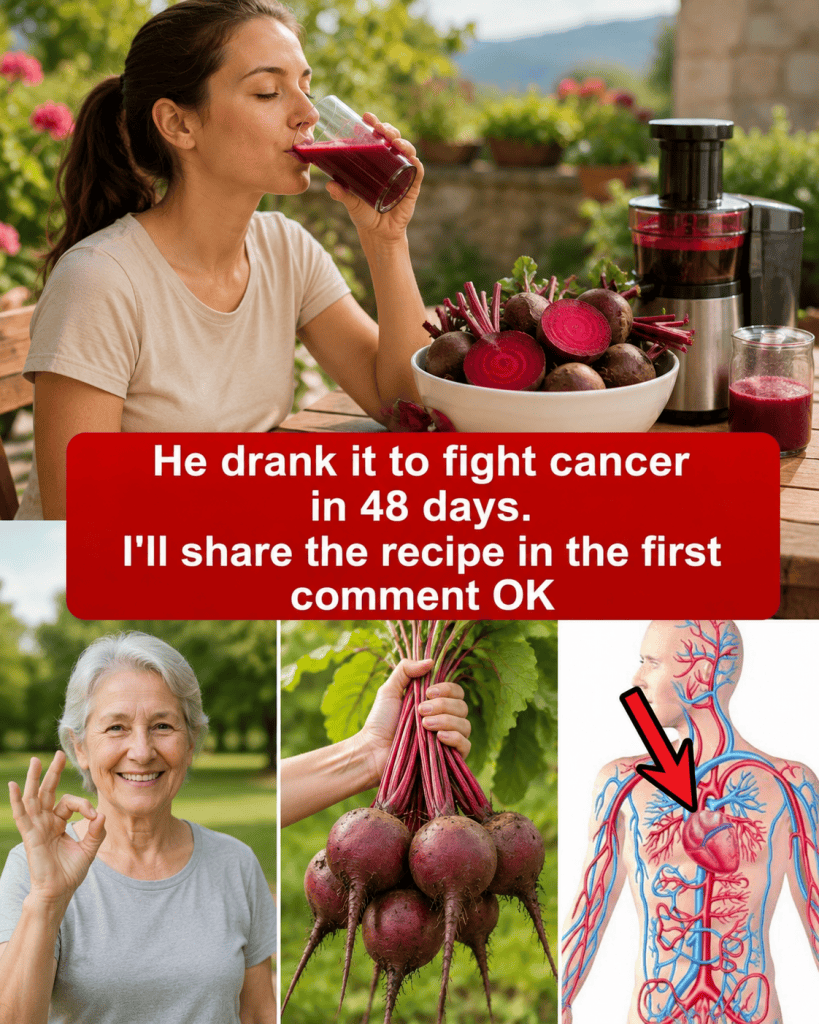
Is Beetroot Really a Superfood?
Bright, colorful, and naturally sweet, beetroot has earned a reputation as one of today’s most popular “superfoods.” It’s easy to find in salads, smoothies, and fresh juices, and many people include it in their diets to support overall wellness.
But what does science actually say about beetroot? Is it really as healthy as many people believe?
The answer is encouraging—but balanced.
Beetroot is rich in vitamins, minerals, antioxidants, and naturally occurring plant compounds that may support several aspects of health when enjoyed as part of a varied, nutritious diet. While it isn’t a miracle cure, it can certainly be a valuable addition to a healthy lifestyle.
Let’s explore why beetroot deserves a place on your plate—and the best ways to enjoy it.
🥕 What Makes Beetroot So Nutritious?
Beetroot contains an impressive variety of nutrients, including:
- Folate (Vitamin B9)
- Iron
- Potassium
- Manganese
- Vitamin C
- Dietary fiber
- Natural nitrates
- Betalains (powerful antioxidants)
Together, these nutrients contribute to normal body functions and overall wellness.
❤️ Natural Nitrates That Support Healthy Circulation
One of beetroot’s most studied features is its naturally occurring dietary nitrates.
Inside the body, nitrates are converted into nitric oxide, a compound that helps blood vessels relax and function normally.
Research suggests that dietary nitrates may help support:
- Healthy circulation
- Normal blood vessel function
- Physical performance during exercise
- Healthy blood pressure already within the normal range
These benefits are best achieved as part of an overall heart-healthy lifestyle.
🩸 Iron and Folate for Healthy Blood
Beetroot provides iron and folate, two nutrients involved in normal red blood cell production.
Iron
Iron helps transport oxygen throughout the body and supports normal energy metabolism.
Folate
Folate is essential for:
- Cell growth
- DNA production
- Healthy red blood cell formation
Although beetroot contains iron, it should not be considered a treatment for iron-deficiency anemia. Individuals with anemia should seek proper medical evaluation and treatment.
🌈 Powerful Antioxidants
The deep red-purple color of beetroot comes from compounds called betalains.
These antioxidants help protect cells from oxidative stress caused by free radicals.
A diet rich in antioxidant-containing foods may support healthy aging and overall wellness.
🥕 Why Combine Beetroot with Carrots?
Carrots complement beetroot perfectly.
Carrots provide:
- Beta-carotene
- Vitamin A
- Fiber
- Potassium
- Additional antioxidants
Together, beetroot and carrots create a colorful, nutrient-rich drink that’s naturally refreshing.
🍹 Simple Beetroot and Carrot Juice Recipe
Ingredients
- 1 medium carrot
- 1 small beetroot
- 1 cup of water
Optional:
- Juice of ½ lemon
- 1 teaspoon honey (optional)
Instructions
Step 1
Wash and peel the carrot and beetroot.
Step 2
Cut both into small pieces.
Step 3
Place them into a blender with the water.
Step 4
Blend until smooth.
Step 5
If you prefer a lighter texture, strain the juice.
Step 6
Serve immediately for the freshest flavor.
Many people enjoy this juice in the morning or between meals.
🍎 Energizing Variation with Apple
For a naturally sweeter flavor, add:
- ½ red apple
Benefits include:
- Extra dietary fiber
- Additional antioxidants
- Natural sweetness without refined sugar
🫚 Digestive-Friendly Variation with Ginger
Add a small piece of fresh ginger.
Ginger is traditionally used to support:
- Comfortable digestion
- Reduced bloating
- A pleasant warming flavor
Research also suggests ginger contains natural antioxidant compounds.
📅 How Often Should You Drink Beetroot Juice?
For most healthy adults, beetroot juice can be enjoyed:
- 3–4 times per week as part of a balanced diet.
Some people may choose to consume it more frequently, but variety remains an important part of healthy eating.
Remember that whole vegetables provide valuable fiber, so beetroot juice should complement—not replace—whole fruits and vegetables.
🌟 Potential Benefits of Beetroot
When included in a balanced eating pattern, beetroot may help support:
✅ Healthy circulation
✅ Cardiovascular wellness
✅ Normal energy metabolism
✅ Antioxidant protection
✅ Healthy digestion (especially when blended with fiber)
✅ Overall nutritional intake
💡 Tips for Getting the Most from Beetroot
✔ Choose fresh, firm beets with smooth skin.
✔ Pair beetroot with vitamin C-rich foods like lemon or oranges to help support iron absorption.
✔ Blend instead of straining if you’d like to retain more fiber.
✔ Store fresh juice in the refrigerator and enjoy within 24 hours.
✔ Include beetroot as one part of a varied, colorful diet.
⚠️ Important Considerations
Although beetroot is highly nutritious, it may not be suitable for everyone in large amounts.
Keep these points in mind:
- Beetroot is not a substitute for medical treatment for anemia, diabetes, liver disease, or any other medical condition.
- People with diabetes should consider the natural carbohydrate content of beetroot as part of their overall meal planning.
- Because beetroot may support healthy blood pressure, individuals with naturally low blood pressure or those taking blood pressure medications should consult their healthcare provider before consuming large amounts regularly.
- Beetroot may temporarily turn urine or stools pink or reddish—a harmless effect known as beeturia.
- Individuals with kidney stones or a history of calcium oxalate stones may wish to moderate intake because beetroot contains oxalates.
- Pregnant women and people with chronic health conditions should seek personalized advice before making major dietary changes.
Frequently Asked Questions
Is beetroot better raw or cooked?
Both are nutritious. Raw beetroot retains its fresh flavor and vitamin C, while cooked beetroot becomes sweeter and softer. The best choice depends on your preference.
Can beetroot juice increase energy?
Beetroot contains nutrients involved in normal energy metabolism, and its natural nitrates may support exercise performance. However, it is not an instant energy drink.
Should I drink beetroot juice on an empty stomach?
Many people enjoy it in the morning or between meals, but there is no strong evidence that drinking it on an empty stomach provides superior health benefits.
Can beetroot cure anemia?
No. While beetroot provides iron and folate, it should not replace medical evaluation or treatment for anemia.
Final Thoughts
Beetroot has earned its reputation as a nutritious vegetable thanks to its impressive combination of vitamins, minerals, antioxidants, and naturally occurring nitrates. When paired with carrots—and optional ingredients like apple, ginger, or lemon—it creates a delicious beverage that supports a healthy, balanced diet.
Rather than viewing beetroot as a miracle food, think of it as one colorful piece of a bigger wellness picture that includes nutritious meals, regular physical activity, good hydration, and quality sleep.
A simple glass of homemade beetroot juice enjoyed regularly and in moderation can be an enjoyable way to add more plant-based nutrition to your everyday routine.
Disclaimer: This article is for educational purposes only and is not intended to diagnose, treat, cure, or prevent any disease. Always consult a qualified healthcare professional before making significant dietary changes, especially if you have diabetes, kidney disease, low blood pressure, are pregnant, or take prescription medications.