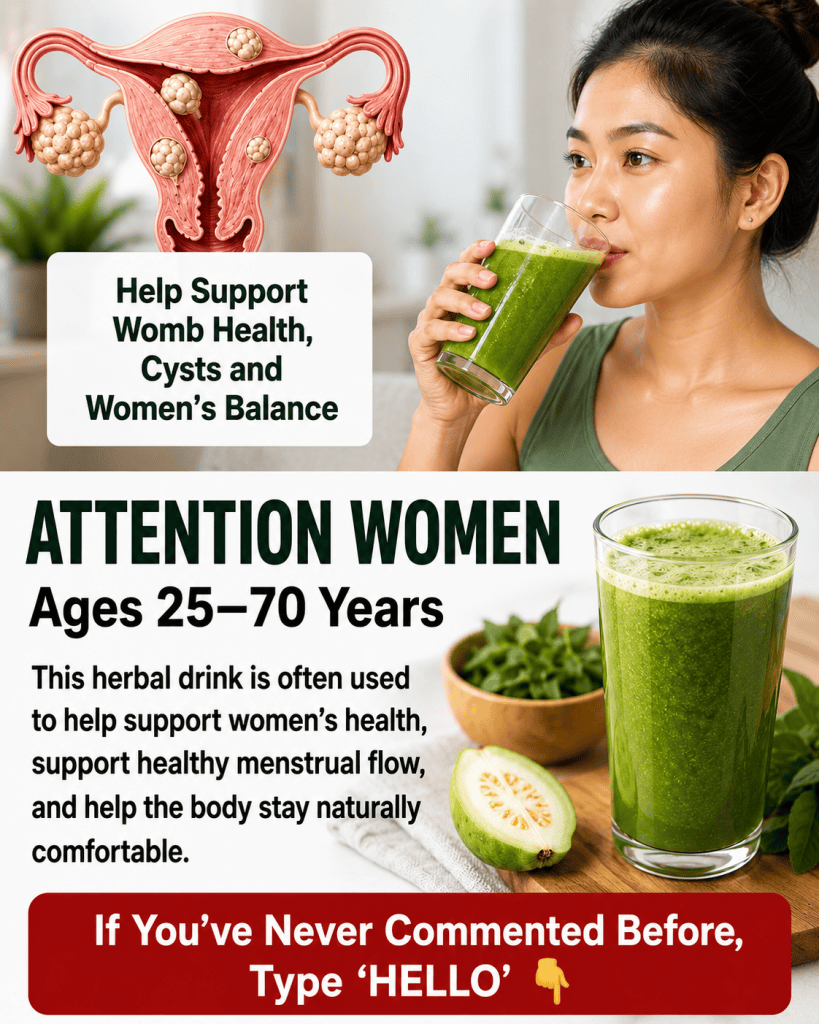
Women’s reproductive health plays a vital role in overall well-being, energy levels, hormonal balance, and fertility. Many women experience concerns such as ovarian cysts, hormonal fluctuations, irregular periods, bloating, or pelvic discomfort at some stage in life. This has led to growing interest in gentle, natural approaches to support ovarian health and hormonal harmony.
While there is no scientific evidence that ovaries need “detoxification,” healthy lifestyle habits, anti-inflammatory foods, and time-honored natural practices can help support balance and comfort naturally.
In this article, we’ll explore simple, nurturing ways to support ovarian wellness and promote women’s health holistically.
What Are Ovarian Cysts?
Ovarian cysts are fluid-filled sacs that can form on or inside the ovaries. Many are harmless and resolve on their own without treatment. However, some women may experience symptoms such as:
- Pelvic pain
- Irregular menstrual cycles
- Bloating
- Lower abdominal discomfort
- Pain during ovulation
- Hormonal fluctuations
Medical experts note that management depends on the size, type, and symptoms. In many cases, doctors simply monitor the condition through regular check-ups.
Why Women Seek Natural Ovarian Support
Many women choose to combine medical guidance with natural lifestyle approaches to nurture their reproductive system. Healthy habits can help reduce inflammation, support hormonal regulation, and improve overall comfort.
Natural support often focuses on:
- Reducing inflammation
- Improving circulation
- Promoting hormonal balance
- Managing stress
- Supporting healthy metabolism
1. Ginger Tea for Comfort & Inflammation Support
Ginger is well-known for its soothing anti-inflammatory and antioxidant properties. Many women enjoy ginger tea as part of their routine to help ease menstrual discomfort and pelvic unease.
How to Make Ginger Tea Ingredients:
- 1 tablespoon fresh grated ginger
- 2 cups water
- Honey (optional)
Method:
- Boil the water.
- Add the grated ginger.
- Simmer gently for 10 minutes.
- Strain and sip warm.
Regular enjoyment of ginger tea may help support circulation and reduce occasional bloating naturally.
2. Turmeric & Lemon Drink
Turmeric contains curcumin, a powerful antioxidant that may help combat inflammation in the body.
Ingredients:
- 1 teaspoon turmeric powder
- Juice of half a lemon
- 1 cup warm water
- Honey (optional)
Potential Benefits:
- Supports immune health
- Helps reduce oxidative stress
- May contribute to hormonal comfort
3. Anti-Inflammatory Eating for Ovarian Wellness
Nutrition plays a major role in hormonal balance. Women dealing with ovarian discomfort or conditions like PCOS often benefit from an anti-inflammatory diet.
Supportive Foods to Enjoy:
- Leafy green vegetables
- Avocado
- Berries
- Nuts and seeds
- Salmon and omega-3-rich foods
- Whole grains
Foods to Limit:
- Excessive sugar
- Highly processed foods
- Sweetened drinks
- Trans fats
Some women with PCOS report improvements after reducing refined carbohydrates and supporting healthy insulin sensitivity.
4. Warm Compress Therapy
A warm compress applied to the lower abdomen can help relax muscles and provide temporary relief from pelvic discomfort related to cysts or menstrual cramps.
How to Use:
- Apply a heating pad for 15–20 minutes
- Use moderate, comfortable warmth
- Repeat as needed
This simple home practice can bring gentle comfort naturally.
5. Stress Management & Hormonal Balance
Chronic stress can influence hormone production and menstrual regularity. Relaxation techniques support both emotional and physical well-being.
Helpful Stress-Reducing Activities:
- Yoga
- Meditation
- Gentle walking
- Deep breathing exercises
- Quality sleep
Women who prioritize stress management often notice better menstrual health and higher energy levels.
The Importance of Professional Medical Guidance
While natural approaches can be supportive, persistent pelvic pain, abnormal bleeding, or severe symptoms should always be evaluated by a qualified healthcare provider. Some ovarian cysts may require monitoring, medical treatment, or intervention depending on the situation.
Natural methods are not a replacement for professional medical care.
Conclusion
Supporting ovarian health naturally often means building consistent, nourishing daily habits rather than seeking quick fixes. A balanced diet, anti-inflammatory foods, proper hydration, movement, and stress reduction can all contribute to better hormonal harmony and reproductive wellness.
If you experience ongoing symptoms or suspect ovarian cysts or hormonal concerns, please consult a qualified healthcare professional for proper diagnosis and guidance.
Combining a healthy lifestyle with professional medical advice remains one of the best ways to care for women’s reproductive health.
⚠️ Important Disclaimer: This article is for informational and educational purposes only. It is not a substitute for professional medical advice, diagnosis, or treatment. Always consult your doctor or qualified healthcare provider before trying new remedies or making significant changes to your health routine, especially if you have existing conditions or concerns.
Have you tried any of these gentle natural practices for women’s wellness? Share your positive experiences in the comments below — we’d love to hear what works for you! 🌸💚
Keywords: natural ovary support, ovarian cyst relief, women’s reproductive health, ginger tea for hormones, turmeric for inflammation, PCOS natural support, hormonal balance tips.