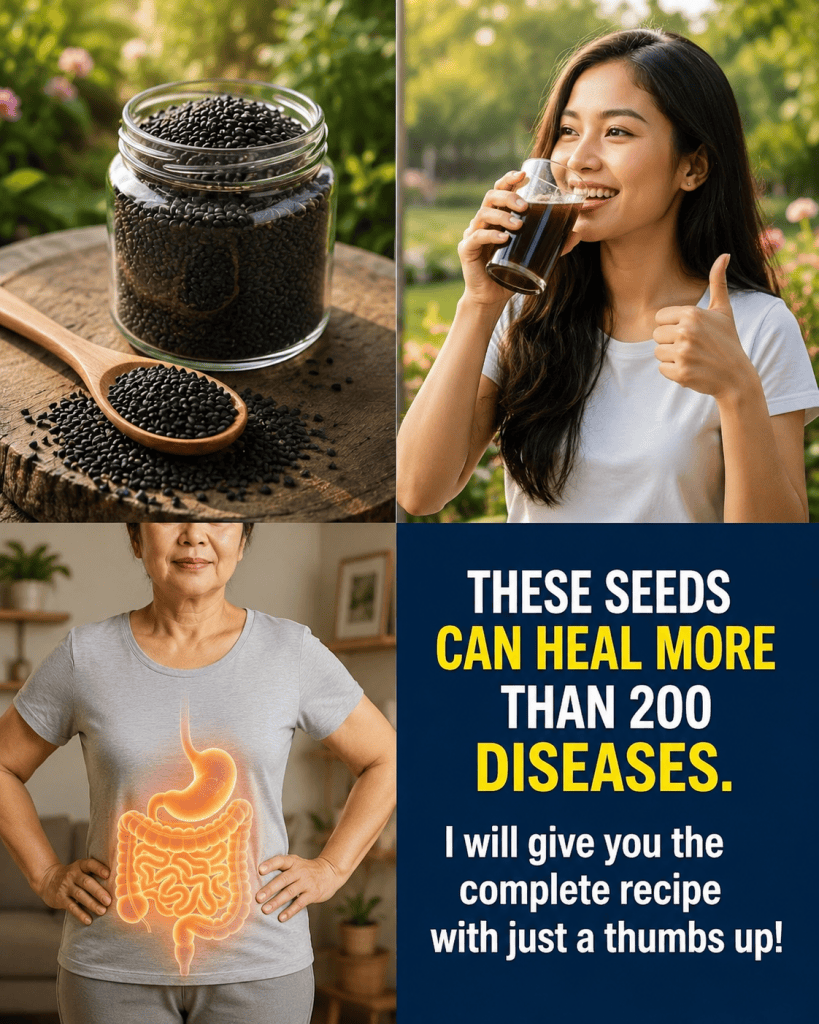
Can One Tiny Seed Support Multiple Areas of Health?
Some natural remedies have been passed down through generations, quietly earning a place in traditional wellness practices long before modern science began studying them.
One of the most fascinating is black seed, also known as Nigella sativa.
For centuries, black seed has been valued in many cultures for supporting overall well-being. Today, researchers are exploring its naturally occurring compounds—especially thymoquinone—for their antioxidant and anti-inflammatory properties.
Although black seed is sometimes surrounded by legendary claims, the real story is both more balanced and more interesting: it is a nutrient-rich seed that may help support several body systems when enjoyed as part of a healthy lifestyle.
Let’s explore why this ancient seed continues to attract scientific and nutritional interest.
Why Black Seed Has Been Used for Centuries
Black seed contains a variety of naturally occurring plant compounds, including:
- Thymoquinone
- Essential fatty acids
- Polyphenols
- Flavonoids
- Naturally occurring antioxidants
Rather than acting as a miracle cure, these compounds may help support the body’s natural ability to maintain balance and respond to everyday oxidative stress.
Supporting the Body’s Natural Balance
Imagine your body as a busy city.
Every day, countless biological processes work together to keep everything functioning smoothly.
Over time, factors such as:
- Stress
- Poor sleep
- Processed foods
- Environmental exposure
- Aging
can increase oxidative stress and low-grade inflammation.
Foods rich in antioxidants may help support the body’s natural defense systems, encouraging a healthier internal environment.
Black seed is one example of a food that contributes to this nutritional approach.
What Makes Thymoquinone So Interesting?
The most widely studied compound in black seed is thymoquinone.
Researchers have investigated its potential antioxidant and anti-inflammatory properties in laboratory and animal studies.
Current research suggests thymoquinone may help support:
- Cellular protection from oxidative stress
- Healthy inflammatory responses
- Normal immune system function
- Overall cellular wellness
More human research is still needed, but these findings continue to generate scientific interest.
May Help Support Respiratory Wellness
Black seed has traditionally been used to promote comfortable breathing.
In traditional wellness practices, it has often been included to support:
- Seasonal respiratory comfort
- Healthy airways
- Everyday breathing comfort
Many people describe breathing comfortably as feeling like air flows more freely.
While black seed is not a treatment for respiratory disease, its traditional use and ongoing research have made it a popular addition to wellness routines.
Supporting Digestive Comfort
A healthy digestive system influences many aspects of overall wellness.
Traditional uses of black seed often focus on supporting:
- Comfortable digestion
- Healthy gut function
- Reduced feelings of heaviness after meals
- General digestive balance
When digestion feels more comfortable, many people also report improved overall well-being.
May Help Support Liver Wellness
The liver performs hundreds of important functions every day.
It helps process nutrients, supports metabolism, and naturally filters substances from the bloodstream.
Black seed has been studied for compounds that may help support normal liver health through its antioxidant activity.
Although it should never replace medical treatment, it may complement a healthy lifestyle centered around nutritious eating and regular exercise.
Skin Health Begins from Within
Healthy skin often reflects overall wellness.
Oxidative stress can influence the appearance of the skin over time.
Because black seed contains antioxidants, it has traditionally been used both internally and topically to support:
- Healthy-looking skin
- Comfortable skin
- A balanced skin appearance
Individual results naturally vary.
Supporting Healthy Blood Sugar as Part of a Healthy Lifestyle
Maintaining stable blood sugar supports:
- Consistent energy
- Better focus
- Balanced appetite
- Overall metabolic health
Some studies suggest black seed may help support healthy blood sugar already within the normal range when combined with:
- Balanced nutrition
- Physical activity
- Weight management
It should never be considered a replacement for prescribed diabetes treatment.
Why Black Seed Is Often Overlooked
Sometimes the simplest traditional foods receive less attention than newer wellness trends.
Black seed has been used for centuries because it is:
- Affordable
- Easy to find
- Versatile
- Naturally nutrient-rich
Its long history of traditional use continues to inspire modern scientific investigation.
How Black Seed May Work
Rather than producing dramatic overnight changes, black seed appears to work by supporting the body’s normal biological processes.
Researchers believe its compounds may help:
- Support antioxidant defenses
- Promote healthy inflammatory balance
- Assist the body’s natural stress response
- Encourage overall wellness
This gradual, supportive approach is consistent with many nutritious whole foods.
Common Mistakes to Avoid
Taking Too Much Too Quickly
More isn’t always better.
Large amounts may cause digestive discomfort in some individuals.
Start with small servings and increase gradually if appropriate.
Using Black Seed Oil Excessively
Black seed oil is highly concentrated.
Always follow the manufacturer’s serving recommendations or seek guidance from a qualified healthcare professional.
Expecting Instant Results
Natural foods work best through consistency.
Healthy habits practiced every day generally have a greater impact than occasional large doses of any one ingredient.
Easy Ways to Enjoy Black Seed
You can incorporate black seed into your routine in several simple ways:
- Sprinkle whole seeds over salads.
- Mix ground black seed into yogurt.
- Add a small amount to smoothies.
- Blend into oatmeal.
- Use in homemade bread.
- Incorporate into savory dishes.
- Take black seed oil according to product directions if appropriate.
Healthy Habits That Complement Black Seed
For the greatest benefit, combine black seed with healthy daily practices such as:
- Eating a balanced, colorful diet
- Staying well hydrated
- Exercising regularly
- Managing stress
- Prioritizing quality sleep
- Avoiding smoking
- Limiting highly processed foods
Wellness is built through consistent habits—not a single food.
Frequently Asked Questions
Can I eat black seed every day?
Many people include small amounts of black seed in their daily diet. If you have a medical condition or take prescription medications, consult your healthcare provider before adding it regularly.
Is black seed oil stronger than whole seeds?
Black seed oil contains concentrated compounds, while whole seeds also provide fiber and additional nutrients. Each has its own place within a balanced diet.
Can black seed cure diseases?
No. There is currently no scientific evidence that black seed can cure diseases. It may support overall wellness as part of a healthy lifestyle, but it should never replace professional medical care.
Who should avoid black seed?
People who are pregnant, have allergies to black seed, take blood-thinning medications, or have chronic medical conditions should seek medical advice before using black seed supplements or oil.
Final Thoughts
Black seed (Nigella sativa) has earned centuries of respect in traditional wellness practices and continues to attract modern scientific interest because of its rich content of thymoquinone and other naturally occurring bioactive compounds.
While it isn’t a miracle remedy, it may help support respiratory comfort, digestive wellness, healthy skin, metabolic balance, and the body’s natural antioxidant defenses when included as part of a balanced lifestyle.
The greatest value of black seed doesn’t come from dramatic overnight results—it comes from consistent, everyday habits that nourish the body over time.
Sometimes, lasting wellness begins with the smallest daily choices.
Disclaimer: This article is for educational purposes only and is not intended as medical advice. Black seed is not a treatment or cure for any disease. Always consult a qualified healthcare professional before making changes to your diet, especially if you are pregnant, nursing, have a medical condition, or take prescription medications.