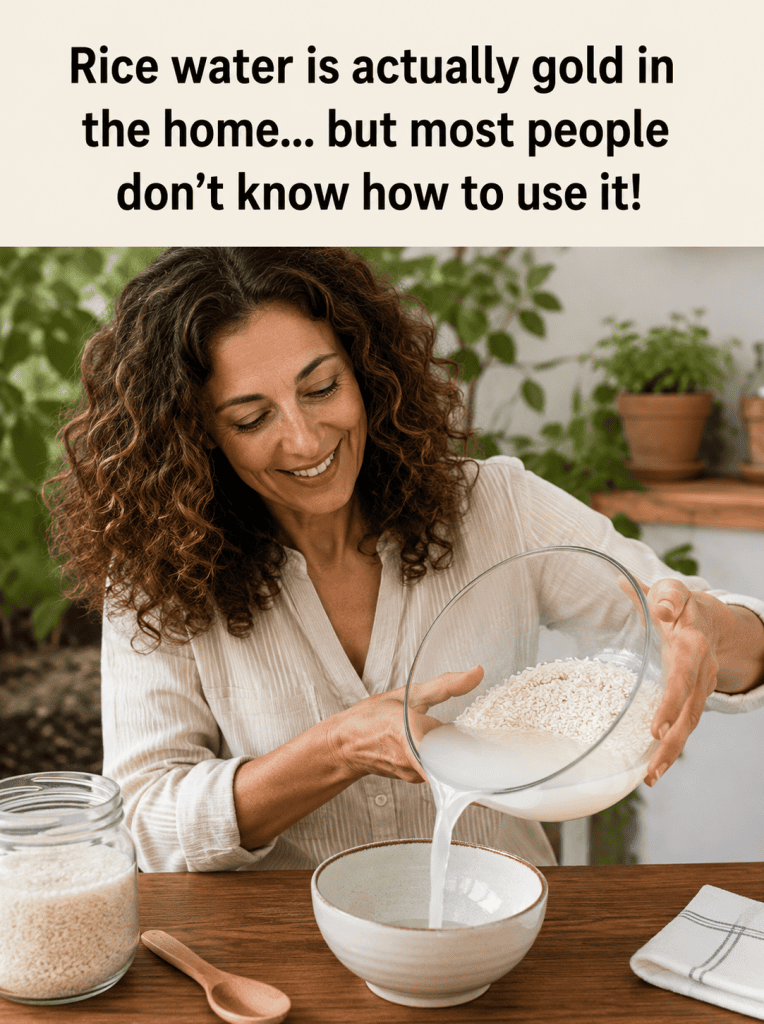
Rice water has become a popular topic across social media, with many beauty enthusiasts sharing it as a simple addition to their hair and skincare routines. But long before it became an online trend, rice water had already been part of traditional beauty practices in several Asian cultures for generations.
If frequent styling, environmental stress, and harsh beauty products have left your hair feeling dry or your skin looking tired, this easy homemade remedy may be worth exploring. Affordable, easy to prepare, and surprisingly versatile, rice water can become a gentle part of a balanced self-care routine.
In this guide, you’ll learn what rice water is, why it has gained worldwide attention, how to prepare it safely at home, and the best ways to use it for everyday beauty care.
What Is Rice Water?
Rice water is the cloudy liquid left behind after rinsing or soaking uncooked rice. During this process, small amounts of naturally occurring starch, amino acids, vitamins, minerals, and antioxidants are released into the water.
Historically, rice water has been associated with traditional beauty rituals, including those practiced by women during Japan’s Heian period and by the Yao women of Huangluo Village in China, who are well known for their long, healthy-looking hair.
There are two common types:
- Traditional rice water (quick soak)
- Fermented rice water (naturally fermented for a stronger concentration)
Fermented rice water develops a slightly sour scent and may contain additional naturally formed compounds during fermentation.
Although research on homemade rice water remains limited, studies on rice-derived ingredients suggest they may help support skin hydration and improve hair manageability for some individuals.
Why Has Rice Water Become So Popular?
As more people look for affordable and natural beauty routines, rice water has attracted attention because it is:
- Simple to make
- Budget-friendly
- Uses ingredients already found in most kitchens
- Fits well into minimalist skincare routines
Research on rice bran and rice-derived compounds suggests they contain antioxidants and nutrients that may help support healthy-looking skin and hair. At the same time, many people enjoy incorporating rice water into their beauty rituals simply because it feels refreshing and gentle.
As with any natural skincare method, results vary depending on individual skin type, hair texture, consistency, and overall routine.
Potential Benefits of Rice Water
While homemade rice water is not a miracle solution, traditional use and emerging research suggest it may provide several supportive benefits.
For Hair
Rice water may help:
- Improve hair softness
- Reduce friction between hair strands
- Support smoother-looking hair
- Enhance manageability
- Help hair feel stronger over time
One compound often discussed is inositol, a naturally occurring carbohydrate found in rice that has been studied for its potential role in supporting hair fibers.
For Skin
Many users enjoy rice water because it may:
- Help maintain skin hydration
- Leave skin feeling refreshed
- Provide a gentle soothing sensation
- Serve as a mild facial toner
These benefits are supportive rather than guaranteed, and individual experiences will differ.
How to Make Rice Water at Home
Method 1: Traditional Rice Water
Ingredients
- ½ cup uncooked rice
- 2–3 cups filtered water
Instructions
- Rinse the rice under cool water for 1–2 minutes.
- Place the rice in a bowl.
- Add the filtered water.
- Soak for 15–30 minutes.
- Stir occasionally.
- Strain the liquid into a clean glass container.
- Refrigerate and use within 3–5 days.
Method 2: Fermented Rice Water
- Prepare traditional rice water.
- Loosely cover the container.
- Leave it at room temperature for 24–48 hours.
- Once it develops a mild sour aroma, refrigerate it.
- Dilute before use, as fermented rice water is more concentrated.
Store in the refrigerator and use within approximately one week.
Tip: Always perform a patch test before first use.
How to Use Rice Water
Hair Rinse
After shampooing:
- Pour diluted rice water over your hair and scalp.
- Massage gently for 2–5 minutes.
- Rinse with cool water or leave briefly before rinsing.
Start with once or twice per week.
Facial Toner
- Apply rice water to a cotton pad.
- Gently sweep across clean skin.
- Follow with your regular moisturizer.
Many people prefer using it during their evening skincare routine.
Other Creative Uses
Rice water can also be:
- Mixed with aloe vera gel for a soothing face mask
- Added to a warm bath for a refreshing soak
- Used as a gentle hand rinse after gardening or household chores
Traditional vs. Fermented Rice Water
| Feature | Traditional Rice Water | Fermented Rice Water |
|---|---|---|
| Preparation Time | 15–30 minutes | 24–48 hours |
| Aroma | Mild and neutral | Slightly sour |
| Strength | Gentle | More concentrated |
| Best For | Beginners and sensitive skin | Experienced users seeking a richer treatment |
| Refrigerator Storage | Up to 5 days | About 7–10 days |
Tips for the Best Results
Always Dilute It
Rice water can be quite starchy. Mixing it with clean water (about 1:1 or more) often provides a gentler experience.
Don’t Overuse It
Using rice water too frequently may leave some hair types feeling stiff due to starch buildup.
Once or twice weekly is often enough.
Choose Good Rice
Many people prefer:
- Jasmine rice
- Long-grain white rice
- Organic rice when available
Keep Your Routine Balanced
Rice water works best as one part of a complete hair and skincare routine that includes:
- Gentle cleansing
- Regular moisturizing
- Healthy nutrition
- Adequate hydration
- Sun protection for skin
What Results Can You Realistically Expect?
Rice water is best viewed as a supportive beauty practice rather than an instant transformation.
With consistent use over several weeks, some people notice:
- Softer-feeling hair
- Improved shine
- Easier styling
- Skin that feels refreshed and hydrated
However, everyone’s hair and skin respond differently, so patience and consistency are important.
Final Thoughts
Rice water reminds us that some of the simplest kitchen ingredients can become meaningful additions to a self-care routine.
Whether you’re hoping to support smoother hair or enjoy a refreshing facial toner, this centuries-old beauty tradition offers an easy, affordable way to experiment with natural skincare practices.
The next time you rinse rice before cooking, consider saving the water instead of pouring it away—you might discover a new favorite step in your beauty routine.
Frequently Asked Questions
1. Is rice water suitable for every hair and skin type?
Many people tolerate diluted rice water well, but those with very dry hair, protein-sensitive hair, or highly sensitive skin should introduce it gradually and perform a patch test first.
2. How often should I use rice water?
Begin with one or two applications per week, then adjust based on how your hair and skin respond.
3. Can rice water be stored?
Yes. Traditional rice water can generally be refrigerated for up to 5 days, while fermented rice water may last about 7–10 days. Discard it if you notice mold, discoloration, or an unpleasant odor.
Disclaimer: This article is for educational and informational purposes only and is not intended as medical or dermatological advice. Rice water is not a treatment or cure for any health or skin condition. Individual results vary depending on hair type, skin type, and personal care habits. If you have sensitive skin, allergies, scalp conditions, or ongoing dermatological concerns, consult a qualified healthcare professional or dermatologist before trying new skincare or haircare routines.
