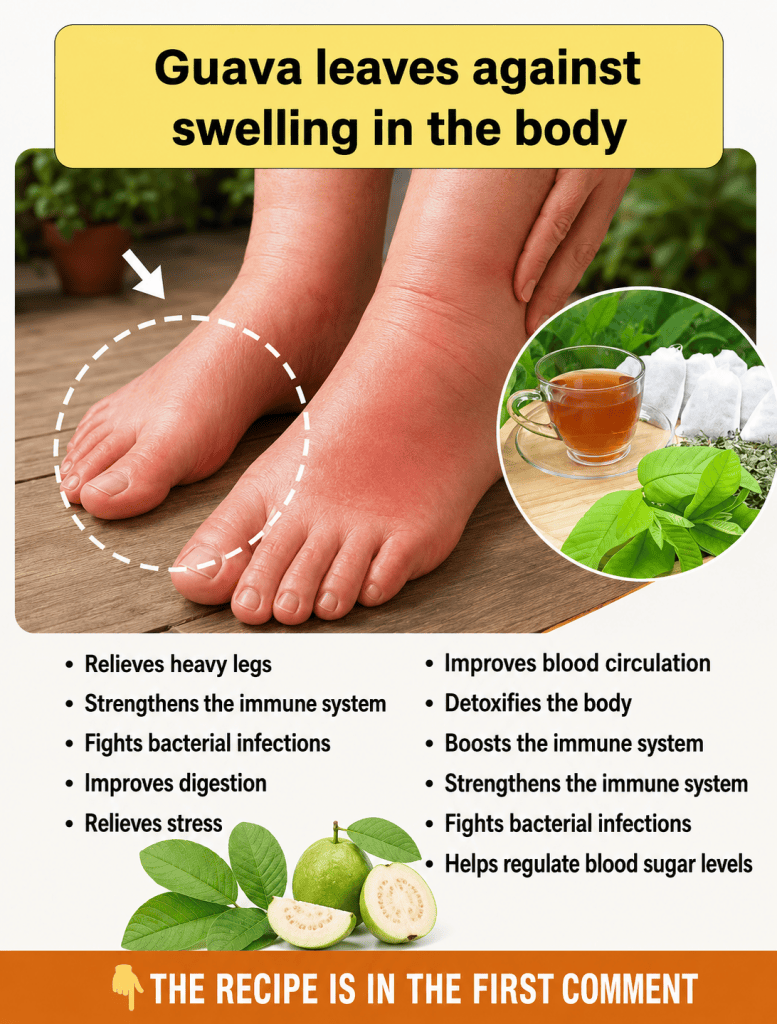
Natural wellness often begins with simple habits. Among the many traditional herbal beverages enjoyed across different cultures, guava leaf tea blended with turmeric and cinnamon has become a popular choice for those looking to support their overall health in a gentle, natural way.
While this tea is not a cure or medical treatment, its ingredients contain plant compounds that have been studied for their antioxidant and anti-inflammatory properties. When paired with a balanced diet and healthy lifestyle, this comforting drink can be a pleasant addition to your wellness routine.
Let’s discover why this herbal infusion has attracted so much attention.
What Is Guava Leaf Tea?
Guava leaf tea is made from the leaves of the Psidium guajava tree. Unlike the fruit itself, the leaves are naturally rich in:
- Flavonoids
- Polyphenols
- Tannins
- Essential oils
- Natural antioxidants
For generations, traditional herbal practices throughout Asia and Latin America have used guava leaves as part of everyday wellness routines, particularly for digestive comfort and general vitality.
When combined with turmeric and cinnamon, the tea offers a warming blend full of naturally occurring beneficial plant compounds.
Ingredients
You’ll need:
- 1 liter (4 cups) of water
- 10 fresh guava leaves, thoroughly washed
- 1 teaspoon turmeric powder (or a 3 cm piece of fresh turmeric root)
- 1 cinnamon stick (or 1 teaspoon ground cinnamon)
- Juice from half a lemon (optional)
- 1 teaspoon honey (optional)
How to Prepare Guava Leaf Tea
Step 1
Bring one liter of water to a gentle boil.
Step 2
Add the guava leaves and simmer for about 10 minutes.
Step 3
Add the turmeric and cinnamon.
Reduce the heat and allow everything to steep for another 5 minutes.
Step 4
Turn off the heat and let the tea rest for 10 more minutes.
Step 5
Strain the tea.
If desired, stir in fresh lemon juice and honey.
Serve warm or chilled according to your preference.
If making a larger batch, refrigerate and consume within 48 hours.
Suggested Way to Enjoy It
Many people choose to drink:
- One cup (about 250 ml) in the morning
- One cup later in the day or evening
Drink slowly while warm for a comforting experience.
Rather than relying on any single beverage, consistent healthy habits—including nutritious meals, regular movement, hydration, and quality sleep—remain the foundation of long-term wellness.
20 Potential Benefits of Guava Leaf Tea with Turmeric and Cinnamon
Although research continues, these ingredients have traditionally been used to support many aspects of well-being.
1. Supports Healthy Fluid Balance
Guava leaves have traditionally been appreciated for their mild diuretic properties, which may help support the body’s natural elimination of excess fluids.
2. May Help Ease Feelings of Heavy Legs
Many people enjoy this tea after long days spent sitting or standing, as part of an overall healthy lifestyle.
3. Supports Healthy Circulation
Cinnamon has long been valued in traditional practices for supporting normal blood circulation.
4. Provides Antioxidant Protection
All three ingredients are naturally rich in antioxidants that help protect cells from oxidative stress.
5. Supports the Body’s Natural Inflammatory Response
Turmeric contains curcumin, one of the most extensively studied plant compounds for supporting a healthy inflammatory response.
6. Promotes Digestive Comfort
Guava leaves and cinnamon have traditionally been used to soothe digestion after meals.
7. Supports Healthy Blood Sugar Management
Some research suggests guava leaves and cinnamon may help support healthy glucose metabolism when combined with healthy eating habits.
8. Encourages Healthy Metabolism
A warm herbal beverage can be a satisfying addition to an active lifestyle focused on balanced nutrition.
9. Helps Maintain Joint Comfort
Turmeric has long been used in traditional wellness practices to support comfortable movement.
10. Supports Healthy Skin
The antioxidants found in these herbs may contribute to maintaining healthy-looking skin.
11. Supports Urinary Tract Wellness
Traditional herbal medicine has often used guava leaves to support urinary health.
12. Supports Healthy Cholesterol Levels
Some preliminary studies suggest guava leaves may contribute to maintaining healthy cholesterol levels already within the normal range.
13. Supports Liver Wellness
Turmeric has traditionally been associated with supporting normal liver function.
14. Encourages Respiratory Comfort
Warm herbal teas are commonly enjoyed during seasonal changes for general respiratory comfort.
15. Supports Women’s Wellness
Some traditional herbal practices include guava leaf tea as part of monthly wellness routines.
16. Promotes Relaxation
Enjoying a warm cup of herbal tea can become a calming daily ritual that helps reduce everyday stress.
17. Supports Kidney Function Through Hydration
Staying hydrated plays an important role in maintaining healthy kidney function.
18. Helps Reduce Everyday Fatigue
Replacing sugary beverages with herbal tea may contribute to feeling refreshed throughout the day.
19. Supports Healthy Aging
The antioxidant content of these herbs helps protect cells from oxidative stress associated with normal aging.
20. Encourages Overall Vitality
Many people include herbal teas as one part of a balanced wellness routine to help support daily energy and well-being.
Why Each Ingredient Matters
Guava Leaves
Guava leaves naturally contain:
- Flavonoids
- Polyphenols
- Tannins
- Antioxidants
Traditionally used to support:
- Digestive wellness
- Healthy circulation
- Natural immune function
- Cellular protection
Turmeric
Turmeric is valued for its naturally occurring curcumin.
Traditionally associated with supporting:
- Healthy inflammatory response
- Digestive function
- Liver wellness
- Joint comfort
Cinnamon
Cinnamon has been used for centuries in kitchens and traditional wellness practices.
It may help support:
- Healthy circulation
- Normal blood sugar metabolism
- Digestive comfort
- Natural antioxidant defenses
Helpful Tips
For the freshest flavor:
- Use fresh guava leaves whenever available.
- Avoid boiling the tea for too long, as this may produce a bitter taste.
- Fresh lemon juice can brighten the flavor.
- Honey can be added after the tea has cooled slightly.
Precautions
Although generally enjoyed as a food-based herbal beverage, this tea may not be suitable for everyone.
Consider the following:
- Pregnant or breastfeeding individuals should consult a healthcare professional before regularly consuming herbal teas.
- People with liver or kidney conditions should seek medical advice before making significant dietary changes.
- Turmeric may interact with blood-thinning medications.
- Excessive cinnamon consumption may cause digestive discomfort.
- Stop using the tea if any allergic reaction occurs.
- Herbal beverages should complement—not replace—professional medical care or prescribed treatments.
Frequently Asked Questions
Can I drink this tea every day?
Many people enjoy herbal tea regularly, but moderation is generally recommended. If you have a medical condition or take medications, consult your healthcare provider.
Can I drink it cold?
Yes. It can be served either warm or chilled.
Can dried guava leaves be used?
Absolutely. If fresh leaves are unavailable, food-grade dried guava leaves are a suitable alternative.
Does it help with weight loss?
No single tea causes weight loss. However, replacing sugar-sweetened drinks with unsweetened herbal tea may support healthy lifestyle habits.
Final Thoughts
Guava leaf tea with turmeric and cinnamon is a comforting herbal beverage that combines three time-honored ingredients known for their rich antioxidant content and traditional wellness uses. While it should not be viewed as a cure or substitute for medical treatment, it can be a pleasant addition to a healthy routine focused on balanced nutrition, regular physical activity, and adequate hydration.
Sometimes, the simplest daily rituals—a warm cup of herbal tea, mindful eating, and consistent self-care—can become meaningful steps toward supporting your overall well-being.
