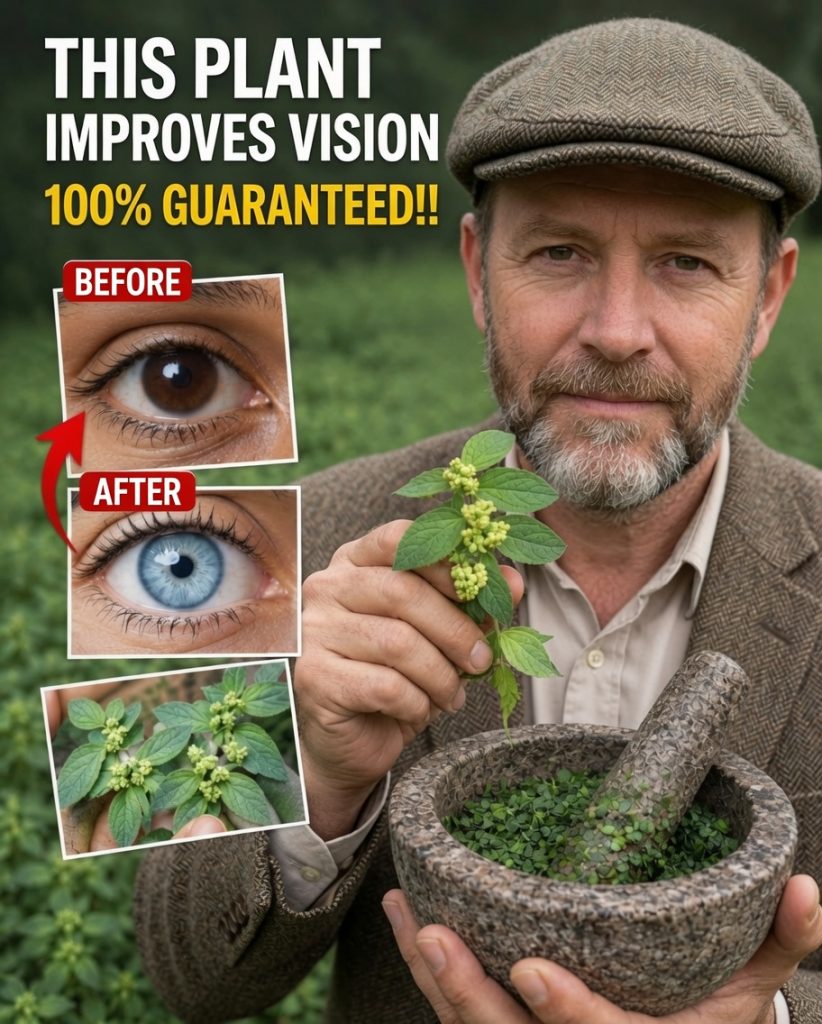
Discover the traditional uses of Euphorbia hirta for eye comfort, what current research says about its natural compounds, and important safety considerations before using this herb.
Could This Common Herb Help Support Everyday Eye Comfort?
After hours of working on a computer, reading, or scrolling through your phone, your eyes may begin to feel tired, dry, or strained. These everyday discomforts are becoming increasingly common in our screen-filled world.
While healthy habits such as regular breaks, proper lighting, and adequate hydration remain the foundation of eye care, many people are also interested in traditional herbs that have been used to support comfort around the eyes.
One herb frequently mentioned in traditional medicine is Euphorbia hirta, sometimes called asthma weed or tawa-tawa. Although online discussions often exaggerate its benefits, this modest plant has a long history of traditional use that deserves a balanced, evidence-based look.
What Is Euphorbia hirta?
Euphorbia hirta is a small annual herb belonging to the Euphorbiaceae family.
It grows naturally in tropical and subtropical regions throughout:
Asia
Africa
Central and South America
Parts of the Pacific
The plant is easy to recognize by its:
Small oval leaves covered with fine hairs
Distinct reddish central leaf vein
Tiny clustered flowers
Pinkish-red stems
White milky sap released when the stem is broken
Although many people consider it a roadside weed, it has been used in traditional herbal practices for generations.
Traditional Uses Beyond Eye Care
Historically, Euphorbia hirta has been used in various traditional systems for supporting:
Respiratory comfort
Digestive wellness
Skin care
Minor inflammation
General herbal wellness
In some cultures, it has also been used externally to help soothe the area around tired eyes.
It is important to understand that these are traditional uses, not proven medical treatments.
Why Has It Been Associated with Eye Comfort?
Traditional herbal practitioners often valued Euphorbia hirta for its perceived cooling and calming qualities.
Warm compresses or carefully prepared external applications were sometimes used around the eyelids after long periods of visual strain.
These practices were intended to support comfort—not to treat eye diseases or improve vision.
One critical point should never be overlooked:
The milky sap of Euphorbia hirta can be irritating and should never be placed directly into the eyes.
What Does Modern Research Say?
Scientists have identified several naturally occurring compounds in Euphorbia hirta, including:
Flavonoids
Polyphenols
Terpenoids
Tannins
Laboratory studies suggest these compounds possess:
Antioxidant activity
Anti-inflammatory properties
Antimicrobial effects
These findings help explain why the herb has remained important in traditional medicine.
However, most available research comes from laboratory or animal studies.
There is currently insufficient clinical evidence to conclude that Euphorbia hirta improves vision or treats eye conditions in humans.
Antioxidants and Eye Health
Oxidative stress contributes to normal aging throughout the body, including the eyes.
Antioxidants found in colorful fruits, vegetables, and certain herbs help protect cells from oxidative damage.
Although Euphorbia hirta contains antioxidant compounds, no evidence shows that applying the herb around the eyes restores eyesight or reverses age-related vision changes.
A balanced diet rich in antioxidants remains the best-supported nutritional approach for overall eye health.
Traditional Ways the Herb Has Been Used
Traditional herbal practices have included gentle external applications.
These methods should never involve placing the plant or its sap directly into the eye.
Warm Leaf Compress
Traditionally:
Fresh leaves were carefully washed.
They were gently warmed.
The leaves were placed over closed eyelids for a short period.
This was intended to promote relaxation after prolonged visual work.
Herbal Tea
In some cultures, the aerial parts of the plant have been prepared as a mild herbal tea for general wellness.
This use was not specifically intended as an eye treatment.
Anyone considering herbal teas should consult a qualified healthcare professional, especially if pregnant, breastfeeding, or taking medications.
External Herbal Paste
Some traditional preparations involved creating a mild paste for use around the temples or surrounding skin.
Again, the preparation should never enter the eye itself.
How to Explore Herbal Traditions Safely
If you’re interested in learning about traditional herbs, safety should always come first.
Helpful guidelines include:
Correctly identify the plant.
Obtain herbs from reliable sources.
Wash plant material thoroughly.
Perform a skin patch test before external use.
Avoid contact with the eyes.
Stop using the herb if irritation develops.
Natural products can still cause allergic reactions or skin sensitivity.
Proven Ways to Reduce Eye Strain
If your goal is everyday eye comfort, evidence-based habits remain the most effective approach.
Follow the 20-20-20 Rule
Every 20 minutes:
Look at something about 20 feet away
For at least 20 seconds
This simple habit helps reduce digital eye strain.
Blink More Often
People blink less frequently while using digital screens.
Conscious blinking helps keep the eyes naturally lubricated.
Stay Hydrated
Adequate hydration supports tear production and overall eye comfort.
Wear UV-Protective Sunglasses
Protecting your eyes from ultraviolet radiation helps support long-term eye health.
Get Regular Eye Examinations
Routine eye exams help detect vision changes and eye diseases early, often before symptoms appear.
Myths About Euphorbia hirta
Myth: It can restore eyesight.
There is no scientific evidence that Euphorbia hirta restores lost vision.
Myth: It can cure eye diseases.
No herbal remedy should replace professional diagnosis or treatment for eye conditions.
Myth: If it’s natural, it’s completely safe.
Natural plants can still cause irritation, allergic reactions, or toxicity if used improperly.
Frequently Asked Questions
Is Euphorbia hirta safe around the eyes?
Traditional external use has been described in some herbal practices, but the plant’s milky sap may cause irritation. It should never be placed directly into the eye.
Can it improve vision?
There is currently no reliable clinical evidence showing that Euphorbia hirta improves eyesight or reverses vision loss.
Where does it grow?
It grows naturally in many tropical and subtropical regions, including roadsides, gardens, fields, and open spaces.
Should I use it instead of seeing an eye doctor?
No. Persistent eye pain, blurred vision, redness, injury, light sensitivity, or sudden vision changes require prompt evaluation by an eye care professional.
Final Thoughts
Euphorbia hirta is a fascinating herb with a long history in traditional medicine and a growing body of laboratory research exploring its antioxidant and anti-inflammatory compounds. While these findings help explain its historical use for promoting general comfort, there is no strong clinical evidence that it can improve vision or treat eye disease.
For healthy eyes, the most reliable approach remains a combination of regular eye examinations, proper screen habits, UV protection, balanced nutrition, adequate sleep, and consultation with qualified healthcare professionals whenever symptoms arise. Traditional herbs may have a place in personal wellness practices, but they should always be used cautiously, responsibly, and as a complement—not a substitute—for evidence-based eye care.
Disclaimer: This article is for educational purposes only and does not replace professional medical advice. Never place herbal preparations directly into the eyes, and consult a qualified healthcare provider before using herbal remedies, especially for eye-related concerns.