Meta Description:
Discover six of the healthiest seeds you can add to your daily diet. Learn how flaxseeds, chia seeds, pumpkin seeds, sesame seeds, sunflower seeds, and papaya seeds may support overall wellness naturally.
Tiny Seeds, Big Nutrition: 6 Super Seeds Worth Adding to Your Daily Routine
Sometimes the smallest foods deliver the biggest nutritional benefits.
Seeds may be tiny, but they’re packed with fiber, healthy fats, plant protein, vitamins, minerals, and antioxidants that help nourish your body from the inside out. Whether sprinkled over oatmeal, blended into smoothies, or mixed into yogurt, these nutrient-rich foods make it easy to boost the nutritional value of everyday meals.
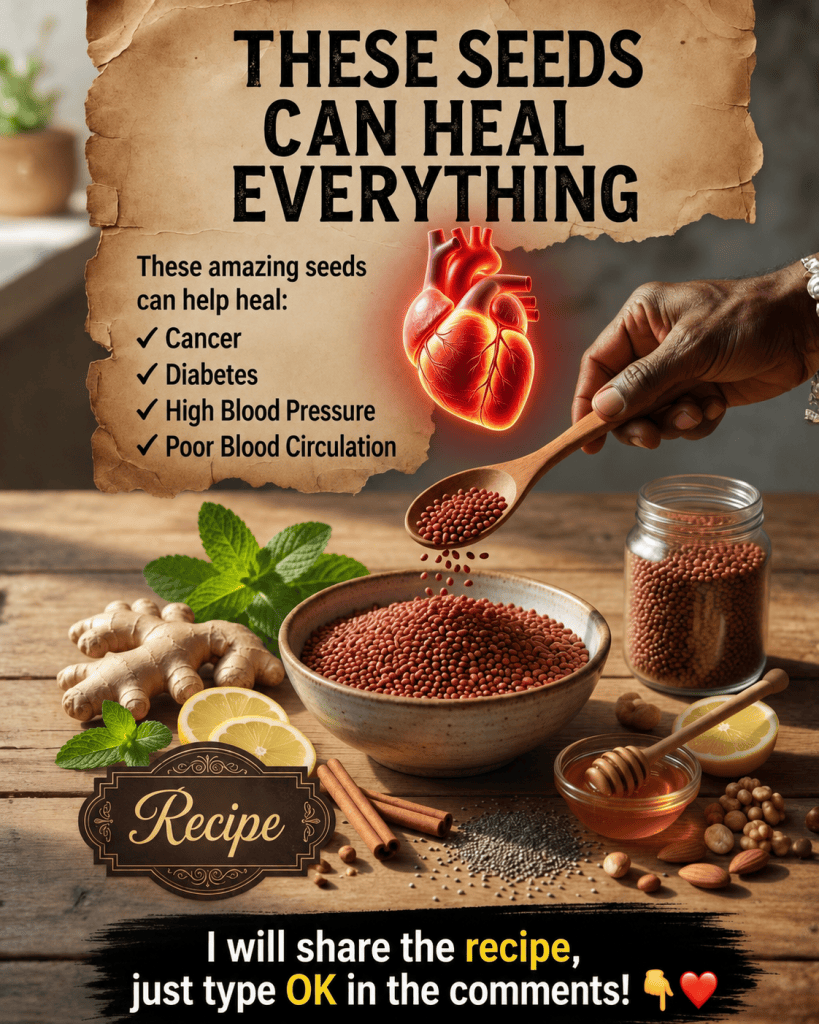
While no single food can prevent or cure disease, including a variety of seeds as part of a balanced diet may help support heart health, digestion, energy levels, and overall well-being.
Let’s explore six nutritious seeds that deserve a place in your kitchen.
Why Are Seeds So Good for Your Health?
Seeds are naturally rich in many essential nutrients your body needs every day, including:
- Dietary fiber
- Plant-based protein
- Healthy unsaturated fats
- Omega-3 fatty acids
- Vitamin E
- Magnesium
- Zinc
- Calcium
- Iron
- Potassium
- Powerful antioxidants
These nutrients work together to support healthy body functions while complementing a balanced lifestyle.
Potential benefits of including seeds in your diet include:
- Supporting digestive health
- Helping maintain healthy cholesterol levels already within the normal range
- Promoting heart health
- Supporting healthy bones and muscles
- Helping you feel satisfied between meals
- Providing long-lasting natural energy
- Supporting healthy immune function
1. Flaxseeds: A Natural Source of Fiber and Omega-3s
Flaxseeds are among the richest plant sources of alpha-linolenic acid (ALA), a type of omega-3 fatty acid.
Potential Benefits
- Supports healthy digestion
- Provides heart-friendly fats
- Helps increase daily fiber intake
- Contains lignans, natural plant antioxidants
- May help support healthy cholesterol levels when consumed as part of a balanced diet
How to Enjoy
Ground flaxseed is easier to digest than whole seeds. Add it to:
- Smoothies
- Oatmeal
- Yogurt
- Homemade bread
- Pancake batter
2. Chia Seeds: Tiny Seeds with Impressive Nutrition
Chia seeds absorb many times their weight in water, creating a gel-like texture that’s perfect for healthy recipes.
Potential Benefits
- Helps support hydration
- Rich in dietary fiber
- Provides plant-based protein
- Contains healthy omega-3 fats
- May promote feelings of fullness
Easy Uses
Mix chia seeds into:
- Overnight oats
- Smoothies
- Yogurt parfaits
- Homemade puddings
- Fruit bowls
3. Pumpkin Seeds: Mineral-Rich Everyday Nutrition
Pumpkin seeds, also called pepitas, are loaded with magnesium, zinc, healthy fats, and antioxidants.
Potential Benefits
- Supports immune function
- Helps maintain healthy muscles and nerves
- Provides important minerals
- May support men’s prostate health as part of a healthy diet
- Supports normal energy production
Snack Idea
Enjoy a small handful of roasted pumpkin seeds as a nutritious afternoon snack.
4. Sesame Seeds: Small Seeds That Support Strong Bones
Sesame seeds have been used in traditional cuisines around the world for thousands of years.
They’re naturally rich in calcium, copper, healthy fats, and antioxidants.
Potential Benefits
- Supports bone health
- Provides beneficial plant compounds
- Adds healthy fats to meals
- Helps diversify mineral intake
Delicious Ways to Use Sesame Seeds
- Sprinkle over salads
- Add to stir-fries
- Mix into homemade bread
- Use in hummus
- Enjoy tahini (sesame paste)
5. Sunflower Seeds: A Crunchy Source of Vitamin E
Sunflower seeds are an excellent source of vitamin E, one of the body’s most important antioxidants.
Potential Benefits
- Supports healthy skin
- Helps protect cells from oxidative stress
- Provides healthy fats
- Contributes to a balanced diet
- Offers plant-based protein
Serving Ideas
Add sunflower seeds to:
- Salads
- Granola
- Trail mix
- Yogurt
- Whole-grain cereals
6. Papaya Seeds: A Traditional Digestive Companion
Although often discarded, papaya seeds have long been used in traditional wellness practices in various cultures.
They contain natural plant compounds along with antioxidants.
Potential Benefits
- Supports digestive wellness
- Contributes antioxidant compounds
- May help support gut health as part of a varied diet
Because papaya seeds have a strong peppery flavor, start with very small amounts if you’re trying them for the first time.
Easy Homemade Seed Mix for Daily Nutrition
One of the simplest ways to enjoy the benefits of multiple seeds is by creating your own nutritious blend.
Ingredients
- 1 tablespoon ground flaxseeds
- 1 tablespoon chia seeds
- 1 tablespoon pumpkin seeds
- 1 tablespoon sunflower seeds
Instructions
- Combine all ingredients in a clean glass jar.
- Mix well.
- Store in a cool, dry place.
How to Use
Add 1–2 tablespoons daily to:
- Yogurt
- Smoothies
- Oatmeal
- Fresh fruit
- Salads
- Whole-grain cereal
This easy mix adds crunch, flavor, fiber, and healthy fats to your meals.
Healthy Habits That Work Even Better Together
Nutritious foods are most effective when combined with healthy daily habits.
For long-term wellness, aim to:
- Eat a colorful, balanced diet
- Stay physically active
- Drink enough water
- Get quality sleep each night
- Manage daily stress
- Avoid smoking
- Limit highly processed foods
- Schedule regular medical checkups
Small habits practiced consistently often have the greatest impact over time.
Frequently Asked Questions
Can seeds cure diseases?
No. Seeds are nutritious foods, but they are not medicines and should not be considered treatments or cures for any disease.
How much should I eat each day?
Most people can enjoy 1–2 tablespoons of mixed seeds daily as part of a balanced diet, although individual nutritional needs may vary.
Should seeds be eaten raw or roasted?
Both options can be nutritious. Choose unsalted varieties whenever possible to reduce excess sodium intake.
Are seeds good for weight management?
Because seeds contain fiber, protein, and healthy fats, they may help promote fullness when eaten in appropriate portions as part of a balanced eating plan.
Important Reminder
This article is intended for educational purposes only and should not replace professional medical advice.
If you have food allergies, digestive disorders, kidney disease, or other medical conditions, consult your healthcare provider or a registered dietitian before making significant dietary changes.
Final Thoughts
Healthy eating doesn’t have to be complicated. Sometimes, the simplest ingredients offer remarkable nutritional value.
Flaxseeds, chia seeds, pumpkin seeds, sesame seeds, sunflower seeds, and papaya seeds each provide their own unique combination of fiber, healthy fats, vitamins, minerals, and antioxidants. Together, they can become a delicious part of a balanced diet that supports overall wellness.
Start by adding just a spoonful to your favorite meals each day. Over time, these small nutritional choices can become lasting healthy habits that contribute to your overall vitality.
