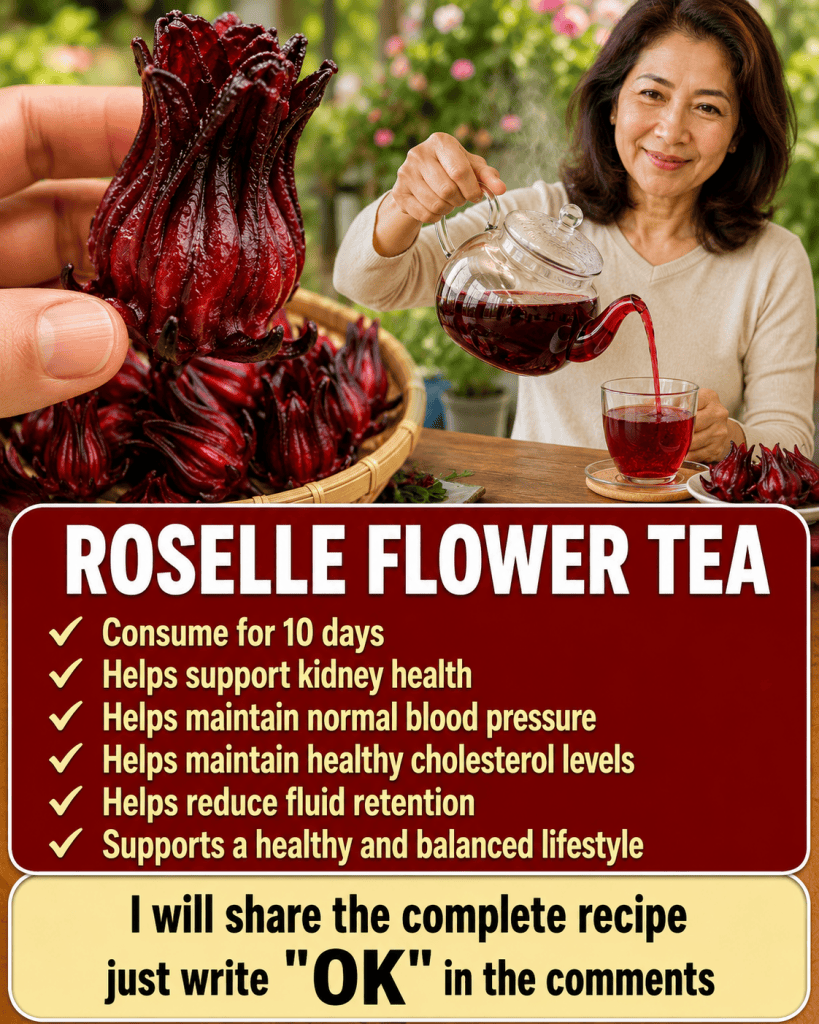
A Refreshing Herbal Tea That Fits Into a Healthy Lifestyle
A handful of vibrant hibiscus flowers, a slice of fresh ginger, and a touch of cinnamon create a naturally refreshing tea that has been enjoyed around the world for generations.
Known for its rich antioxidant content and naturally tart flavor, hibiscus tea has become one of the most popular herbal beverages among people looking to support hydration, healthy circulation, digestion, and overall wellness.
While hibiscus tea is not a cure or a quick fix, it can be a wonderful addition to a balanced diet and active lifestyle.
In this guide, you’ll discover its nutritional profile, evidence-based benefits, an easy homemade recipe, tips for enjoying it safely, and practical ways to include it in your daily routine.
Table of Contents
- What Makes Hibiscus Tea Special?
- Nutritional Profile
- Health Benefits of Hibiscus Tea
- 20 Reasons People Enjoy Hibiscus Tea
- Homemade Hibiscus Detox Tea Recipe
- Best Way to Drink Hibiscus Tea
- Can Hibiscus Tea Support Weight Management?
- Why Do People Drink It for Healthy Blood Pressure?
- Tips to Maximize the Benefits
- Safety Considerations
- Final Thoughts
What Makes Hibiscus Tea Special?
Hibiscus flowers have long been used in traditional herbal beverages across many cultures.
Their naturally deep red color comes from powerful plant compounds called anthocyanins, along with flavonoids, organic acids, vitamin C, and other antioxidants that help protect cells from oxidative stress.
Many people appreciate hibiscus tea because it is:
- Naturally caffeine-free
- Refreshing served hot or cold
- Low in calories
- Rich in beneficial plant compounds
- Easy to prepare at home
Nutritional Profile of Hibiscus
Hibiscus flowers naturally contain several beneficial compounds.
| Nutrient | Potential Role |
|---|---|
| Natural antioxidants | Help protect cells from oxidative stress |
| Anthocyanins | Support healthy circulation |
| Flavonoids | Promote overall cardiovascular wellness |
| Vitamin C | Supports normal immune function |
| Organic acids | Contribute to the tea’s refreshing flavor |
| Natural diuretic compounds | Help support normal fluid balance |
| Plant minerals | Support normal body functions |
Health Benefits of Hibiscus Tea
When enjoyed as part of a healthy lifestyle, hibiscus tea may help support:
- Healthy hydration
- Normal kidney function
- Healthy circulation
- Digestive comfort
- Natural fluid balance
- Heart health
- Everyday wellness
Research on hibiscus continues to grow, but results vary, and no herbal tea should be considered a substitute for medical treatment.
20 Reasons People Love Hibiscus Tea
1. Supports Natural Fluid Balance
Its mild diuretic properties may help reduce occasional water retention.
2. Supports Kidney Wellness
Proper hydration and normal fluid elimination play important roles in kidney health.
3. Helps Maintain Healthy Blood Pressure
Some studies suggest hibiscus may help support blood pressure already within a healthy range.
4. Supports Healthy Cholesterol Levels
When combined with a nutritious diet and regular exercise.
5. Rich in Antioxidants
Helps combat oxidative stress caused by free radicals.
6. Promotes Digestive Comfort
Many people enjoy hibiscus tea after meals.
7. Supports a Healthy Metabolism
Often included in balanced weight-management plans.
8. May Reduce Feelings of Bloating
Especially when related to temporary water retention.
9. Naturally Refreshing
A flavorful alternative to sugary beverages.
10. Supports Healthy Hydration
Encourages regular fluid intake throughout the day.
11. Supports the Body’s Natural Elimination Processes
Hydration and normal kidney function work together to remove waste.
12. May Promote Fullness
Some people find herbal tea satisfying between meals.
13. Supports Healthy Circulation
Thanks to naturally occurring flavonoids.
14. Encourages Daily Wellness
Regular hydration contributes to overall health.
15. Supports Balanced Blood Sugar as Part of a Healthy Diet
Especially when enjoyed without added sugar.
16. Helps You Feel Lighter
Many people report feeling refreshed after drinking hibiscus tea.
17. Supports Liver Wellness
Its antioxidant compounds may contribute to overall liver health.
18. Naturally Low in Calories
An excellent replacement for sugar-sweetened beverages.
19. Supports Healthy-Looking Skin
Hydration and antioxidants contribute to healthy skin.
20. Promotes Overall Well-Being
A simple daily ritual that supports a healthy lifestyle.
Homemade Hibiscus Wellness Tea Recipe
This refreshing herbal blend combines hibiscus with ingredients traditionally valued for their antioxidant and digestive-supporting properties.
Ingredients
- 2 tablespoons dried hibiscus flowers
- 4 cups (1 liter) water
- 1 small piece fresh ginger, sliced
- 1 cinnamon stick
- Juice of ½ fresh lemon
- 1 teaspoon flaxseed (optional)
Instructions
- Pour the water into a saucepan.
- Add the hibiscus flowers, ginger, and cinnamon stick.
- Bring to a gentle simmer for about 10 minutes.
- Remove from the heat and let steep for another 10 minutes.
- Strain into a pitcher or glass bottle.
- Once the tea is warm—not boiling—stir in the fresh lemon juice.
- Add flaxseed if desired.
- Refrigerate and enjoy chilled, or serve warm.
How to Enjoy Hibiscus Tea
For most healthy adults, moderate consumption is generally recommended.
Many people enjoy:
- One cup in the morning
- One cup after lunch
Consider taking occasional breaks rather than drinking it continuously for extended periods.
For best results, pair hibiscus tea with:
- Plenty of water
- Fresh fruits and vegetables
- Whole grains
- Regular physical activity
- Quality sleep
Can Hibiscus Tea Help With Weight Management?
Hibiscus tea is not a weight-loss miracle.
However, it may complement healthy habits because it is:
- Naturally low in calories
- A satisfying alternative to sugary drinks
- Helpful for staying hydrated
- Supportive of digestion
- A refreshing addition to balanced eating habits
Sustainable weight management depends on healthy nutrition, regular exercise, and long-term lifestyle choices.
Why Do Some People Drink Hibiscus Tea for Blood Pressure?
Hibiscus contains naturally occurring antioxidants and plant compounds that have been studied for their potential role in supporting cardiovascular health.
Some research suggests hibiscus tea may help maintain blood pressure already within a healthy range when combined with healthy lifestyle habits.
Anyone taking medication for blood pressure should consult a healthcare professional before drinking hibiscus tea regularly, as herbal products may interact with certain medications.
Tips to Get the Most From Hibiscus Tea
Skip Added Sugar
Enjoy its naturally tangy flavor to keep calories low.
Drink It Fresh
Freshly prepared tea generally preserves more of its natural plant compounds.
Stay Active
Exercise complements the wellness benefits of a balanced diet.
Reduce Excess Salt
Lower sodium intake may help support healthy fluid balance.
Be Consistent
Healthy habits practiced regularly often produce the best long-term results.
Important Safety Considerations
Hibiscus tea is not suitable for everyone.
Speak with a healthcare professional before regular use if you:
- Are pregnant or breastfeeding
- Have naturally low blood pressure
- Take blood pressure medications
- Have advanced kidney disease
- Take medication for diabetes
- Have any chronic medical condition
Moderation is key, and herbal teas should never replace prescribed medical care.
Final Thoughts
Hibiscus tea is one of the world’s most enjoyable herbal beverages, valued for its refreshing flavor, vibrant color, and impressive antioxidant profile.
Whether served hot on a cool morning or chilled on a warm afternoon, it can be a delicious way to support hydration, digestive comfort, and overall wellness as part of a healthy lifestyle.
Simple habits—like choosing nourishing foods, staying active, drinking enough water, and enjoying antioxidant-rich herbal teas—can make a meaningful contribution to long-term well-being.
Have you tried hibiscus tea before? Do you enjoy it hot or iced? Share your favorite way to prepare it in the comments!
Disclaimer: This article is for educational and informational purposes only. It is not intended to diagnose, treat, cure, or prevent any disease. Always consult a qualified healthcare professional before using herbal products, especially if you have a medical condition, are pregnant, or take prescription medications.