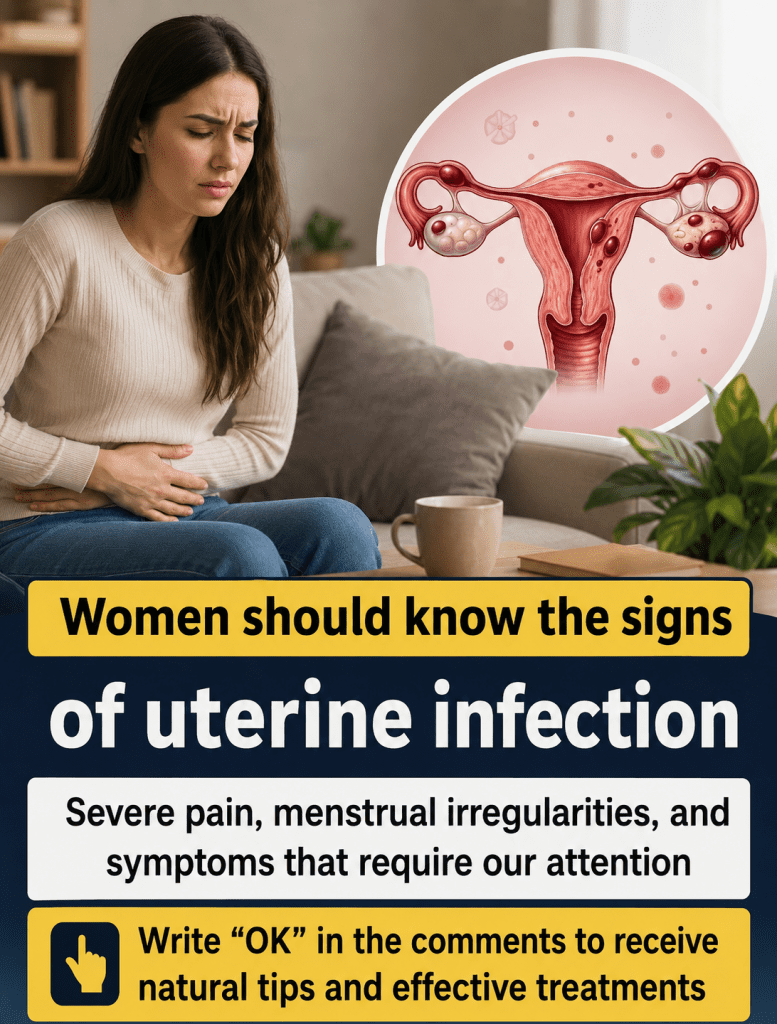
Meta Description: Learn about endometriosis, a common but often misunderstood condition affecting millions of women. Discover its symptoms, possible causes, diagnosis, treatment options, and practical self-care tips.
What Is Endometriosis and Why Does It Matter?
💛 Endometriosis affects millions of women worldwide, yet many continue to struggle with symptoms for years before receiving a diagnosis.
Lack of awareness, delayed recognition, and misconceptions about menstrual pain can make the journey even more challenging. Understanding endometriosis is an important step toward seeking support, improving quality of life, and making informed health decisions.
In this guide, you’ll learn what endometriosis is, common symptoms to watch for, possible causes, treatment options, and lifestyle habits that may help support overall well-being.
What Is Endometriosis?
Endometriosis is a chronic condition in which tissue similar to the lining of the uterus grows outside the uterus.
This tissue may develop on:
- The ovaries
- Fallopian tubes
- Pelvic tissues
- The outer surface of reproductive organs
In some cases, it may even appear outside the pelvic region.
Like the uterine lining, this tissue responds to hormonal changes during the menstrual cycle. It can thicken, break down, and bleed. However, because the blood has no easy way to leave the body, it may contribute to irritation, inflammation, and scar tissue formation over time.
Common Symptoms of Endometriosis
Pain is often the most recognized symptom, but endometriosis can affect each woman differently.
Common signs may include:
Severe Menstrual Cramps
Painful periods that interfere with daily activities may be a warning sign.
Chronic Pelvic Pain
Some women experience persistent pelvic discomfort even outside their menstrual cycle.
Lower Back Pain
Pain may radiate into the lower back and surrounding areas.
Pain During or After Intimacy
Discomfort associated with sexual activity is a symptom that should not be ignored.
Heavy Menstrual Bleeding
Some women experience unusually heavy periods or bleeding between cycles.
Digestive Symptoms
These may include:
- Bloating
- Constipation
- Diarrhea
- Abdominal discomfort during menstruation
Fatigue
Many women report significant tiredness and reduced energy levels, especially around their menstrual cycle.
Difficulty Becoming Pregnant
Endometriosis is sometimes discovered during fertility evaluations.
What Causes Endometriosis?
The exact cause of endometriosis remains unclear. Researchers believe multiple factors may contribute to its development.
Retrograde Menstruation
One theory suggests that menstrual blood may flow backward through the fallopian tubes into the pelvic cavity.
Genetic Factors
Women with a close family member who has endometriosis may have a higher risk of developing the condition.
Immune System Factors
Some researchers believe the immune system may not effectively clear misplaced tissue.
Hormonal Influences
Estrogen appears to play an important role in stimulating the growth of endometrial-like tissue.
It is important to remember that endometriosis is not caused by personal choices, and it is not something a woman simply “brings upon herself.”
How Is Endometriosis Diagnosed?
Because symptoms often resemble those of other conditions, diagnosis can sometimes take years.
Healthcare professionals may use:
- A detailed medical history
- Pelvic examination
- Ultrasound imaging
- MRI scans
- Additional evaluations when necessary
Early assessment can help women access appropriate treatment and symptom management sooner.
Endometriosis and Fertility
Endometriosis is one of the most common conditions associated with fertility challenges.
Possible reasons include:
- Scar tissue formation
- Changes affecting the fallopian tubes
- Inflammation that may interfere with reproductive processes
However, many women with endometriosis successfully conceive naturally or with medical assistance and go on to have healthy pregnancies.
A diagnosis does not mean pregnancy is impossible.
Treatment Options
Although there is currently no universal cure for endometriosis, many treatment approaches can help manage symptoms.
Depending on individual circumstances, healthcare providers may recommend:
Pain Management
Medications may be used to help reduce discomfort.
Hormonal Therapies
Hormonal treatments may help reduce or suppress menstrual activity and symptom severity.
Surgical Treatment
Some women may benefit from procedures designed to remove or reduce endometrial-like tissue.
Personalized Care Plans
Treatment should always be tailored to the individual’s symptoms, goals, and overall health needs.
The Role of Lifestyle and Nutrition
Lifestyle habits cannot cure endometriosis, but they may support overall health and symptom management.
Focus on a Balanced Diet
Many experts encourage:
- Plenty of vegetables
- Fruits
- Whole grains
- Fiber-rich foods
- Healthy fats
Stay Physically Active
Regular movement may help support circulation, mobility, and overall wellness.
Prioritize Sleep
Quality sleep plays an important role in recovery, stress management, and general health.
Manage Stress
Relaxation practices such as:
- Meditation
- Deep breathing
- Gentle yoga
- Walking outdoors
may help support emotional well-being.
Living Well With Endometriosis
Endometriosis can affect many areas of life, including:
- Work
- Relationships
- Emotional health
- Confidence
- Daily comfort
Seeking professional medical care, building a strong support network, and connecting with others who understand the experience can make a meaningful difference.
No woman should feel that she has to face this condition alone.
When to Speak With a Healthcare Professional
Consider seeking medical advice if you experience:
- Severe menstrual pain
- Pelvic pain that disrupts daily life
- Unusually heavy bleeding
- Persistent digestive symptoms related to your cycle
- Difficulty becoming pregnant
Early evaluation may help improve symptom management and quality of life.
Final Thoughts
Endometriosis is a common yet often misunderstood condition that deserves greater awareness and understanding.
The more we talk openly about symptoms, diagnosis, treatment, and support, the easier it becomes for women to seek help and receive appropriate care.
Knowledge empowers women to advocate for their health, recognize when symptoms are not normal, and access the support they deserve.
💛 Sharing accurate information about endometriosis is one small but meaningful way to support women’s health and well-being.
Disclaimer: This article is for educational purposes only and should not replace professional medical advice, diagnosis, or treatment. Always consult a qualified healthcare professional regarding any medical concerns.