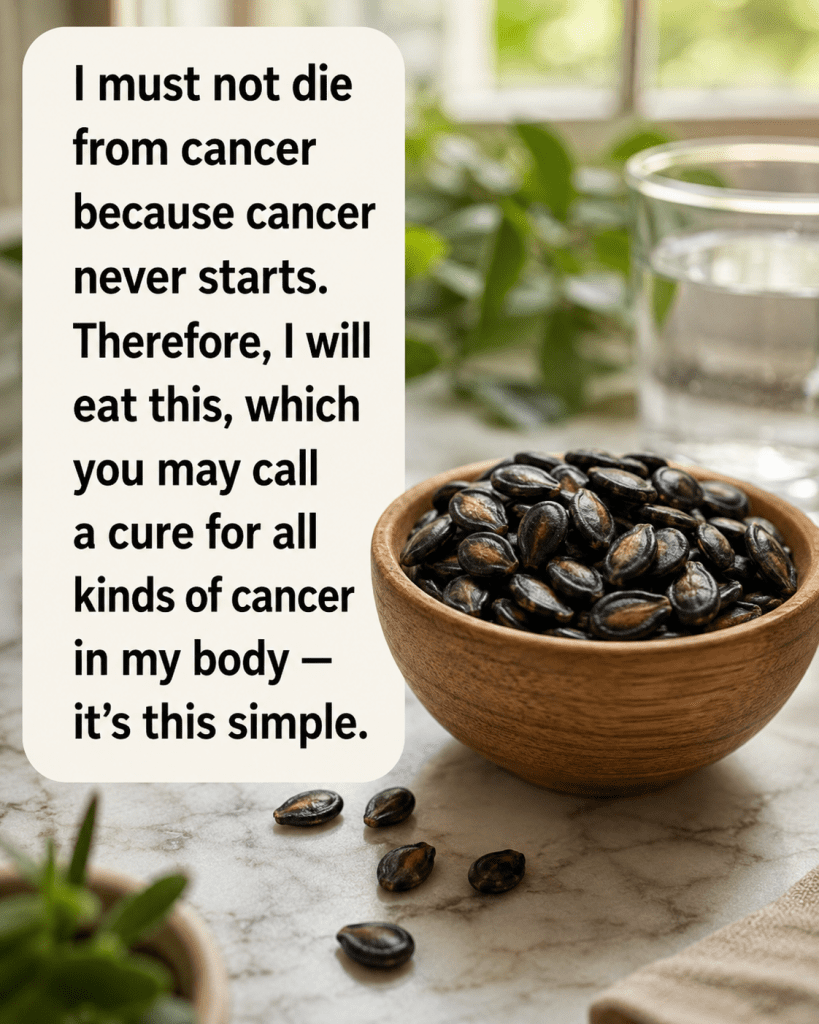
Apple Seeds and Amygdalin: Separating Facts from Myths
Apple seeds have recently attracted attention across social media platforms. Many discussions focus on a naturally occurring compound called amygdalin, which is found in the seeds of apples and several other fruits. Some alternative health sources suggest that amygdalin may help fight cancer, but what does scientific research actually say?
In this article, we’ll take a balanced, evidence-based look at apple seeds, amygdalin, and the claims surrounding their potential health effects.
What Is Amygdalin?
Amygdalin is a natural plant compound found in the seeds or kernels of several fruits, including:
- Apples
- Apricots
- Peaches
- Cherries
- Plums
- Bitter almonds
When these seeds are crushed, chewed, or ground, amygdalin can break down and release hydrogen cyanide, a substance that can be toxic when consumed in significant amounts.
Why Are Apple Seeds Linked to Cancer Discussions?
Interest in apple seeds largely stems from historical claims about amygdalin, sometimes marketed under the name laetrile. Decades ago, some proponents suggested that amygdalin could selectively destroy cancer cells while leaving healthy cells unharmed.
Researchers have investigated these claims through laboratory experiments and various studies. While some laboratory findings showed certain effects on isolated cells, clinical studies involving humans have not demonstrated consistent, safe, or effective cancer-fighting benefits.
Today, major health organizations and medical experts agree that there is no reliable scientific evidence showing that apple seeds or amygdalin can cure, treat, or prevent cancer.
Is “Vitamin B17” a Real Vitamin?
You may have heard amygdalin referred to as “Vitamin B17.”
Despite the name, Vitamin B17 is not recognized as an actual vitamin by medical or nutritional authorities. The term has primarily been used in alternative health circles as a marketing label for amygdalin.
Are Apple Seeds Dangerous?
Accidentally swallowing a few apple seeds whole is generally not considered harmful. The hard outer coating often remains intact as it passes through the digestive system.
However, intentionally chewing, crushing, or consuming large quantities of apple seeds is not recommended because doing so can increase the release of cyanide compounds.
Potential symptoms associated with excessive exposure may include:
- Headache
- Dizziness
- Nausea
- Weakness
- Shortness of breath
- Confusion
In severe cases, cyanide toxicity can become a serious medical emergency.
What Does Current Research Show?
Scientists have studied amygdalin for many years. Although some laboratory experiments have reported effects on cancer cells under controlled conditions, these findings have not translated into proven, safe, and effective treatments for people.
As a result, products containing concentrated amygdalin or laetrile are not approved as cancer treatments in many countries due to concerns about both effectiveness and potential toxicity.
Researchers continue to explore many natural compounds for their biological properties, but current evidence does not support using apple seeds as a cancer therapy.
Social Media Claims and Misinformation
Online platforms often feature powerful personal stories claiming that apple seeds or apricot kernels “cured” cancer. While such stories can be compelling, personal experiences do not provide the same level of evidence as carefully conducted scientific research.
Health experts generally advise caution when evaluating natural remedies that make dramatic claims, particularly when they involve substances capable of releasing cyanide.
When it comes to serious conditions like cancer, decisions should be based on reliable medical guidance and evidence-based treatments.
Healthier Ways to Support Long-Term Wellness
Rather than relying on unproven remedies, experts recommend focusing on habits that are consistently associated with better overall health:
1. Eat Plenty of Fruits and Vegetables
A diverse diet rich in colorful produce provides fiber, vitamins, minerals, and beneficial plant compounds.
2. Stay Physically Active
Regular movement supports cardiovascular health, metabolic function, and overall well-being.
3. Avoid Tobacco Products
Smoking remains one of the most significant preventable risk factors for many diseases.
4. Limit Highly Processed Foods
Choosing whole and minimally processed foods can support a balanced diet.
5. Attend Regular Health Screenings
Routine medical checkups and recommended screenings help identify potential issues early.
6. Follow Professional Medical Advice
Evidence-based medical care remains the most reliable approach for preventing, diagnosing, and treating serious illnesses.
Don’t Forget the Benefits of Apples
While the seeds are often the focus of controversy, the fruit itself remains a nutritious choice.
Apples provide:
- Dietary fiber
- Vitamin C
- Polyphenol antioxidants
- Natural plant compounds that support overall wellness
For most people, enjoying apples as part of a balanced diet is a simple and healthy habit.
Final Thoughts
Apple seeds contain amygdalin, a naturally occurring compound that can release cyanide when crushed or chewed. Although alternative sources sometimes promote amygdalin as a cancer remedy, current scientific evidence does not support its use for cancer prevention or treatment.
Accidentally swallowing a few whole apple seeds is usually not a cause for concern, but intentionally consuming large amounts is not considered safe.
For cancer prevention and treatment, the most reliable approach remains regular medical care, healthy lifestyle habits, and evidence-based therapies recommended by qualified healthcare professionals.
If you found this information helpful, consider sharing it with someone who may be interested in learning more about common health myths and scientific facts.
Disclaimer: This article is intended for informational and educational purposes only. It does not provide medical advice, diagnosis, or treatment. Always consult a qualified healthcare professional regarding any health concerns.