The Hidden Treasure Inside Unripe Papaya
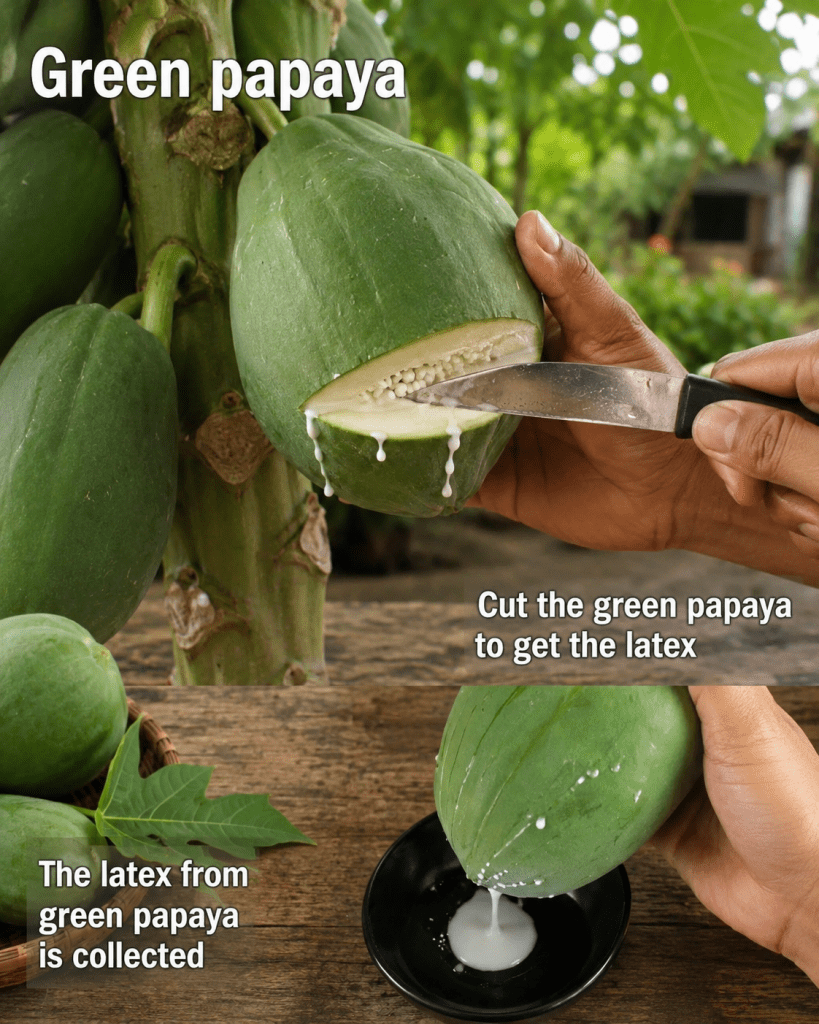
When you cut into a green, unripe papaya, you may notice a thick white liquid slowly flowing from the fruit. This natural substance is known as papaya latex, and for generations it has been valued in traditional wellness practices throughout tropical regions.
While ripe papaya is widely appreciated for its vitamins, fiber, and antioxidants, many people are surprised to learn that the papaya tree offers useful compounds throughout the entire plant—from its roots and leaves to its distinctive milky sap.
Papaya latex contains naturally occurring enzymes, particularly papain and chymopapain, which have attracted interest for their role in digestion, skin care, and other traditional applications. Because it is highly concentrated, it should always be used carefully and in very small amounts.
What Is Papaya Latex?
Papaya latex is the white, milky sap found in green papaya fruit, stems, and leaves. The sap is naturally rich in enzymes that help break down proteins and organic material.
Some of its best-known components include:
Papain
A natural enzyme that helps break down dietary proteins and is commonly used in meat tenderizers.
Chymopapain
An enzyme traditionally associated with tissue support and various historical wellness applications.
Plant Compounds
Papaya latex also contains naturally occurring plant substances that contribute to the fruit’s traditional reputation in many cultures.
These compounds are responsible for much of the interest surrounding papaya latex.
Traditional Uses and Potential Benefits of Papaya Latex
1. Supports Healthy Digestion
One of the most widely known traditional uses of papaya latex is digestive support.
The enzymes found in the sap help break down proteins into smaller components, which may contribute to greater digestive comfort after meals.
People traditionally use small amounts of papaya-derived enzymes to support:
- Protein digestion
- Occasional bloating relief
- Digestive comfort after heavy meals
- General digestive wellness
Because the latex is highly concentrated, only very small quantities have traditionally been used.
2. Traditional Support for Intestinal Wellness
In several tropical regions, papaya latex has long been included in traditional remedies intended to support digestive balance.
Historically, a few drops were sometimes mixed with honey or warm water and used for short periods.
While modern research continues to investigate papaya compounds, traditional use remains the primary basis for this practice.
3. Used in Traditional Skin Care
Papaya enzymes have long been valued for their ability to help soften and loosen dead skin cells.
For this reason, papaya extracts are commonly found in modern skin-care products such as:
- Exfoliating creams
- Face masks
- Skin-softening treatments
- Enzyme-based cleansers
Traditional external applications have focused on helping remove rough skin and supporting overall skin appearance.
4. Supports Healthy Skin Renewal
Papaya-derived enzymes are known for their natural exfoliating properties.
Traditional uses have included applying highly diluted preparations to:
- Rough skin patches
- Thickened skin areas
- Certain cosmetic skin concerns
Because raw latex may irritate healthy skin, caution is always recommended.
5. Contains Natural Enzymes Studied for Biological Activity
Researchers continue to explore the unique biological properties of papaya enzymes.
The naturally occurring compounds in papaya latex have attracted scientific interest due to their complex interactions within plant and biological systems.
Although more research is needed, this ongoing interest highlights the remarkable chemistry found inside the papaya tree.
Traditional Preparation Methods
For Digestive Support
Traditional preparation often involved:
Ingredients
- 1–2 drops fresh papaya latex
- Warm water or milk
Method
- Add a very small amount of latex to warm liquid.
- Mix thoroughly.
- Use occasionally rather than daily.
Important: Excessive amounts may cause stomach irritation.
Traditional External Use
For cosmetic skin applications:
- Apply a tiny amount only to the intended area.
- Avoid surrounding healthy skin.
- Leave briefly.
- Rinse thoroughly.
Always perform a patch test before any external use.
Important Safety Considerations
Papaya latex is a highly concentrated natural substance and should be approached with care.
Avoid:
- Excessive consumption
- Long-term daily use
- Contact with eyes
- Application to sensitive skin
- Use during pregnancy unless advised by a qualified healthcare professional
Individuals with latex allergies or papaya sensitivities should avoid papaya latex products.
If irritation occurs, discontinue use immediately.
Other Valuable Parts of the Papaya Tree
Papaya Leaves
Papaya leaves have a long history in traditional wellness practices.
They are commonly used in herbal teas and traditional preparations intended to support:
- General wellness
- Digestive comfort
- Immune system function
Papaya leaf tea remains popular in many tropical countries.
Papaya Stem
The stem also contains beneficial plant compounds and latex.
Traditional uses include:
- Herbal extracts
- Compost enrichment
- Organic gardening applications
Papaya Root
Papaya roots have been used in traditional herbal systems for generations.
Historical applications have included support for:
- Digestive wellness
- Urinary system health
Because roots contain concentrated compounds, they have traditionally been used with caution.
Papaya Latex in Sustainable Agriculture
Beyond wellness traditions, papaya trees provide value in natural farming systems.
Farmers have traditionally used papaya plant materials to:
- Support compost production
- Improve soil organic matter
- Encourage microbial activity
- Create natural garden inputs
This makes the papaya tree a valuable addition to sustainable agricultural practices.
Why Papaya Is Often Called a “Complete Plant”
Few tropical plants offer as many traditional uses as the papaya tree.
Its fruit provides nutrition, its leaves are used in herbal preparations, its stems contribute to compost systems, and its latex contains unique natural enzymes that continue to attract attention today.
For generations, communities around the world have appreciated papaya as far more than just a delicious tropical fruit.
Final Thoughts
Papaya latex is one of nature’s most fascinating plant substances. Rich in natural enzymes and deeply rooted in traditional practices, it has been used for digestive support, skin care, and various household applications for many years.
However, its potency means it should always be handled responsibly and used sparingly.
The true value of the papaya tree lies in its versatility. From fruit and leaves to roots and latex, nearly every part of the plant has earned a place in traditional cultures around the world.
Disclaimer
This article is intended for informational and educational purposes only. It is not a substitute for professional medical advice, diagnosis, or treatment. Always consult a qualified healthcare professional before using herbal remedies or natural products, especially if you are pregnant, nursing, taking medications, or have an existing medical condition.