Onion Oil for Hair Care: What Should You Know?
Many people become concerned when they notice more hair on their brush, a widening part line, or strands that seem thinner than they used to be. While countless products promise dramatic transformations, healthy-looking hair is often influenced by a combination of factors, including scalp health, nutrition, genetics, daily habits, and overall wellness.
Among traditional hair care practices, onion oil has remained popular for generations. Rich in naturally occurring sulfur compounds and plant-based antioxidants, onion oil is often used as part of a scalp care routine to help support the appearance of stronger, healthier-looking hair.
But what makes onion oil so popular, and what can you realistically expect from it?
Why Scalp Health Matters
Think of your scalp as the soil where hair grows. Just as healthy soil helps plants thrive, a well-cared-for scalp may create a more supportive environment for hair to look its best.
Your scalp contains:
- Hair follicles
- Natural oil glands
- Tiny blood vessels that nourish the skin
All of these components contribute to the overall appearance and condition of your hair. When the scalp becomes dry, irritated, or neglected, hair may appear dull, brittle, or more prone to breakage.
This is one reason many traditional hair care methods focus on nourishing the scalp rather than only treating the hair strands themselves.
What Makes Onion Oil Unique?
Onions naturally contain sulfur-rich compounds. Sulfur is an important element found in keratin, the protein that forms the structure of hair.
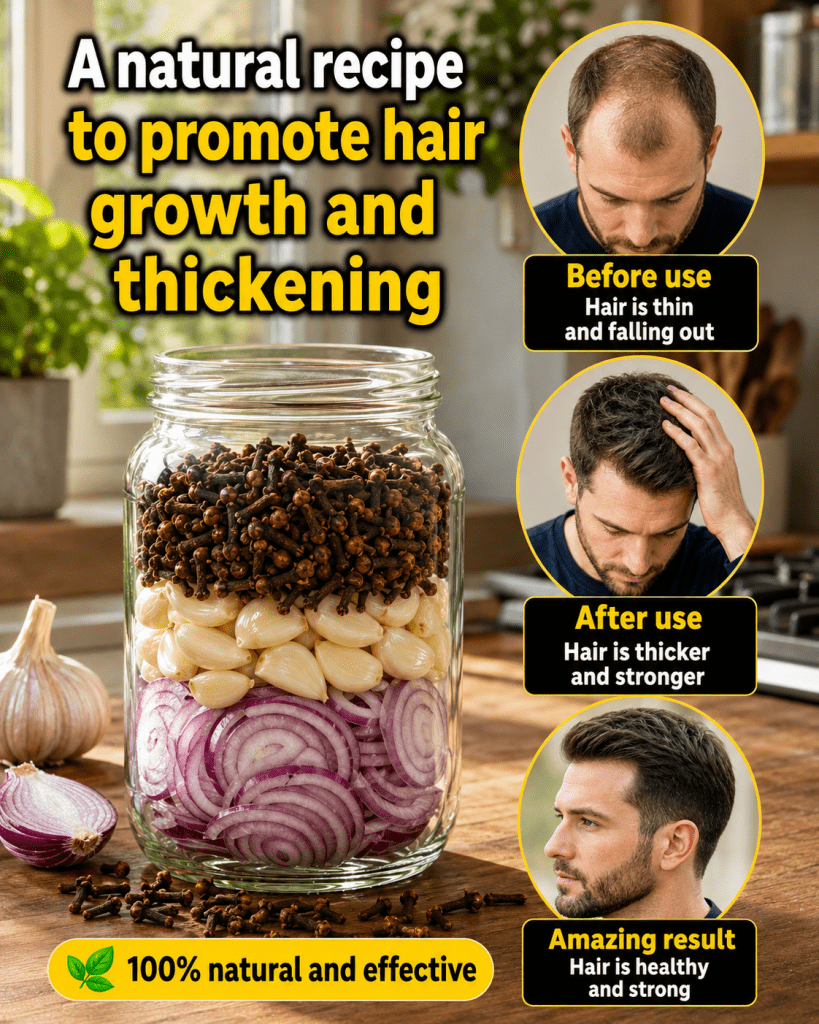
Traditional onion oil recipes are often combined with ingredients such as:
- Garlic
- Cloves
- Coconut oil
- Olive oil
- Castor oil
These ingredients contain various plant compounds and antioxidants that have been studied for their potential role in supporting healthy skin and scalp conditions.
The oil acts as a carrier, helping these ingredients remain on the scalp during massage before washing.
The distinctive aroma of onion oil comes from its naturally occurring sulfur compounds, which are also responsible for many of its traditional uses.
Understanding Hair Thinning
When hair begins to appear less full, the cause is not always the hair itself.
Several factors can influence hair density and appearance, including:
- Genetics
- Aging
- Hormonal changes
- Stress
- Nutritional status
- Hair care habits
- Environmental influences
Hair follicles naturally cycle through growth, resting, and shedding phases. Any disruption to this cycle may affect how thick or healthy hair appears over time.
For this reason, improving scalp care may help some people notice improvements in hair texture, shine, and manageability.
How Onion Oil May Improve the Appearance of Hair
Dry, damaged hair often appears rough and lifeless.
Natural oils can temporarily coat the hair shaft and help reduce moisture loss, making hair appear:
✅ Softer
✅ Easier to comb
✅ More manageable
✅ Less prone to frizz and flyaways
Because smoother hair reflects light more effectively, it may also appear shinier and healthier.
This is one reason some people feel their hair looks fuller and more vibrant when they regularly incorporate oils into their routine.
Traditional Benefits Commonly Associated with Onion Oil
People who use onion oil as part of their hair care routine often report:
- Improved softness
- Better manageability
- Reduced appearance of dryness
- Enhanced shine
- Less visible breakage
However, these observations are based largely on personal experiences, and results can vary significantly from one person to another.
A Common Mistake Many People Make
One of the most frequent mistakes is applying oil to a scalp covered with sweat, styling products, or heavy buildup.
In this situation, the oil may remain on top of those layers instead of making good contact with the scalp.
Many hair care professionals therefore recommend applying scalp treatments to a relatively clean scalp whenever possible.
The goal is not simply to coat the hair with oil, but to gently massage and care for the scalp as part of a healthy routine.
A Simple Onion Oil Scalp Massage Routine
If you decide to try onion oil, consider the following steps:
Step 1
Start with a clean scalp and dry or slightly damp hair.
Step 2
Apply a small amount of onion oil directly to the scalp.
Step 3
Massage gently with your fingertips for 3–5 minutes.
Step 4
Leave the oil on for approximately 30–60 minutes.
Step 5
Wash thoroughly using a mild shampoo.
Before first use, perform a patch test on a small area of skin to check for sensitivity.
Important Considerations
Although onion oil remains a popular traditional remedy, scientific evidence regarding its effectiveness for stimulating hair growth remains limited.
It should not be considered a guaranteed solution or proven treatment for:
- Hair loss
- Baldness
- Hair thinning
- Scalp disorders
Potential results may depend on many factors, including:
- Genetics
- Lifestyle habits
- Overall health
- Consistency of hair care practices
Supporting Healthy Hair Naturally
Long-term hair wellness is often best supported by combining several healthy habits:
✅ Eat a balanced, nutrient-rich diet.
✅ Clean and care for your scalp regularly.
✅ Limit excessive heat styling and harsh chemical treatments.
✅ Manage stress whenever possible.
✅ Stay adequately hydrated.
✅ Consult a qualified dermatologist if hair shedding becomes severe or persistent.
Final Thoughts
Onion oil remains one of the most widely used traditional hair care remedies around the world. Its natural sulfur compounds and plant-based ingredients have made it a popular choice among people who prefer natural scalp care practices.
While it may help support a healthy scalp environment and improve the appearance of hair when used as part of a consistent routine, it is not a proven cure for baldness or hair loss.
Healthy-looking hair is often the result of many small daily habits working together—including proper nutrition, scalp care, patience, and realistic expectations.
Disclaimer
This article is intended for educational and informational purposes only and does not diagnose, treat, cure, or prevent any disease. If you are experiencing significant hair loss, scalp irritation, or other hair-related concerns, consult a qualified healthcare professional or dermatologist for personalized guidance.