Small Lifestyle Changes Can Have a Lasting Impact
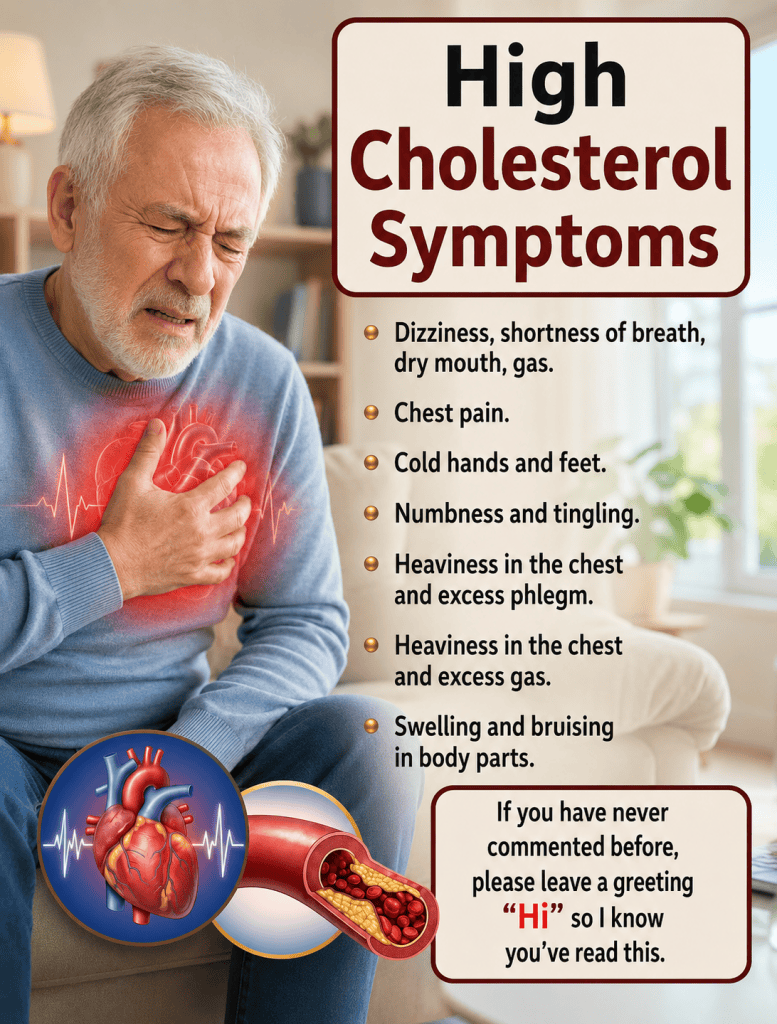
High cholesterol is often called a “silent condition” because it usually develops without noticeable symptoms. Over time, however, elevated cholesterol levels may increase the risk of heart disease, stroke, and circulation problems.
The encouraging news is that healthy daily habits can play an important role in supporting balanced cholesterol levels and promoting long-term cardiovascular wellness.
Instead of searching for quick fixes, focusing on consistent nutrition, regular movement, and heart-friendly lifestyle choices may offer lasting benefits.
Let’s explore practical, science-informed ways to support your heart naturally.
What Is Cholesterol?
Cholesterol is a waxy, fat-like substance found in your bloodstream.
Your body actually needs cholesterol to:
- Build healthy cells
- Produce hormones
- Create vitamin D
- Support normal digestion
Problems may arise when cholesterol becomes unbalanced—particularly when LDL cholesterol becomes too high.
Understanding the Two Main Types
LDL Cholesterol (“Bad” Cholesterol)
LDL carries cholesterol throughout the body.
When levels become too high, cholesterol may gradually accumulate inside artery walls, contributing to plaque formation over time.
HDL Cholesterol (“Good” Cholesterol)
HDL helps transport excess cholesterol back to the liver, where it can be processed and removed from the body.
Maintaining a healthy balance between LDL and HDL is one of the key goals of heart-healthy living.
Common Factors That Can Raise Cholesterol
Several lifestyle and health factors may contribute to elevated cholesterol, including:
- Diets high in saturated fats
- Excess intake of trans fats
- Physical inactivity
- Excess body weight
- Smoking
- Chronic stress
- Family history and genetics
- Certain medical conditions
The good news is that many of these factors can be improved through sustainable lifestyle changes.
Natural Ways to Support Healthy Cholesterol
1. Eat More Fiber-Rich Foods
Soluble fiber helps reduce the absorption of cholesterol in the digestive system.
Excellent sources include:
- Oats
- Barley
- Apples
- Lentils
- Beans
- Flaxseed
- Citrus fruits
Research suggests that increasing soluble fiber intake may help support healthy LDL cholesterol levels as part of a balanced diet.
2. Choose Healthier Fats
Replacing saturated fats with healthier unsaturated fats can support both heart health and cholesterol balance.
Heart-friendly choices include:
- Extra virgin olive oil
- Avocados
- Almonds
- Walnuts
- Seeds
- Fatty fish rich in omega-3 fatty acids
Limiting highly processed foods and avoiding trans fats are also important steps.
3. Stay Physically Active
Regular exercise supports cardiovascular health in many ways.
Physical activity may help:
- Increase HDL cholesterol
- Support healthy body weight
- Improve circulation
- Promote healthy blood pressure
Simple activities include:
- Walking
- Cycling
- Swimming
- Dancing
- Strength training
- Gardening
Most health organizations recommend at least 150 minutes of moderate physical activity each week.
4. Include Heart-Friendly Plant Foods
Several traditional foods have been studied for their potential role in supporting cardiovascular wellness.
These include:
Garlic
Garlic has attracted scientific interest for its naturally occurring sulfur compounds. Some studies suggest it may support healthy cholesterol levels when combined with a balanced lifestyle, although results remain mixed.
Green Tea
Rich in natural polyphenols, green tea provides antioxidant compounds that may support overall heart health.
Ginger
Ginger contains plant compounds that have been studied for their antioxidant properties and their role in supporting healthy circulation.
Turmeric
Curcumin, turmeric’s primary active compound, has been widely researched for its ability to support normal inflammatory responses.
Soy Foods
Soybeans, tofu, and edamame provide plant protein that can be part of a heart-conscious eating pattern.
5. Maintain a Healthy Weight
Even modest weight loss may contribute to healthier cholesterol levels.
Combining balanced nutrition with regular physical activity can help support long-term cardiovascular health.
Foods Often Recommended for Heart Health
Oats and Beta-Glucan
Oats naturally contain beta-glucan, a type of soluble fiber associated with supporting healthy LDL cholesterol levels.
A warm bowl of oatmeal is a simple way to begin the day with heart-friendly nutrition.
Nuts
Nuts such as:
- Walnuts
- Almonds
- Pistachios
provide healthy fats, fiber, plant protein, and antioxidants that support overall cardiovascular wellness.
Because they are calorie-dense, moderate portions are recommended.
Plant Sterols and Stanols
Plant sterols and stanols are naturally occurring compounds that may help reduce cholesterol absorption in the digestive tract.
They can be found in:
- Vegetable oils
- Nuts
- Seeds
- Fortified foods
Lifestyle Habits That Support Heart Health
Healthy cholesterol management extends beyond food choices.
Consider making these habits part of your routine:
- Avoid smoking
- Limit excessive alcohol consumption
- Sleep 7–9 hours each night
- Practice stress management techniques
- Drink enough water throughout the day
- Schedule routine medical checkups
- Stay physically active most days of the week
Small habits practiced consistently often provide the greatest long-term rewards.
When Should You Seek Medical Advice?
Lifestyle improvements are extremely valuable, but they are not always enough on their own.
Consult a healthcare professional if you:
- Have consistently high cholesterol
- Have diabetes
- Have high blood pressure
- Have a family history of heart disease
- Experience chest discomfort or other concerning symptoms
Some individuals may benefit from cholesterol-lowering medications in addition to healthy lifestyle changes.
Never stop prescribed medication without medical guidance.
Frequently Asked Questions
Can food alone lower cholesterol?
For many people, healthy eating significantly supports cholesterol management. Others may also require medication depending on their individual risk factors.
How long does it take to see improvements?
Cholesterol levels often begin responding to healthy lifestyle changes within several weeks to a few months, although results vary from person to person.
Are eggs bad for cholesterol?
Current research suggests that moderate egg consumption can fit into a balanced diet for many healthy individuals. Overall dietary patterns matter more than any single food.
Is exercise really important?
Yes. Regular physical activity supports HDL cholesterol, heart function, circulation, weight management, and overall cardiovascular health.
Final Thoughts
Supporting healthy cholesterol naturally doesn’t depend on one “miracle” food or supplement.
Instead, long-term heart health is built through consistent habits such as:
- Eating more fiber-rich foods
- Choosing healthy fats
- Staying physically active
- Maintaining a healthy weight
- Managing stress
- Sleeping well
- Keeping regular medical checkups
These small daily choices can work together to support healthier cholesterol levels and a stronger cardiovascular system over time.
Your heart benefits most from the habits you practice consistently—not occasionally.
Disclaimer: This article is intended for educational purposes only and is not medical advice. Natural lifestyle approaches can support heart health but should not replace professional medical care. If you have high cholesterol, cardiovascular disease, or other medical conditions, consult your healthcare provider for personalized evaluation and treatment recommendations.