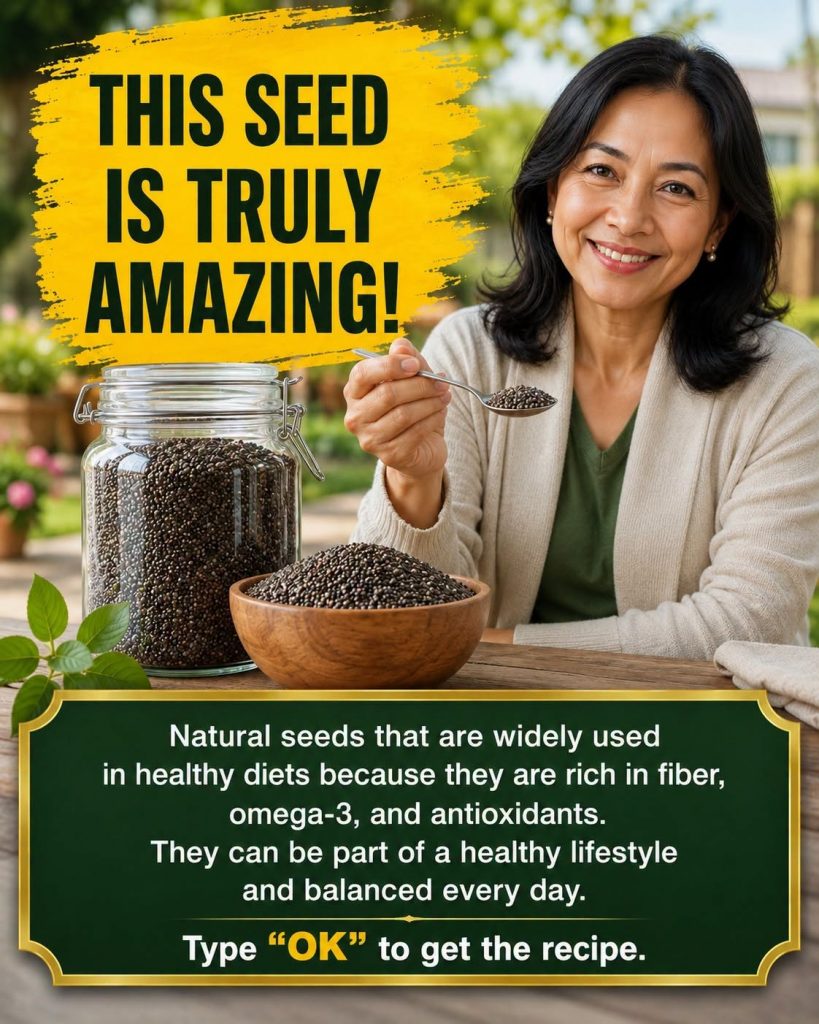
Tiny Seeds, Powerful Nutrition
When it comes to healthy eating, some of the most impressive foods come in very small packages. Seeds are packed with fiber, healthy fats, plant protein, antioxidants, vitamins, and minerals that can help support overall wellness.
From chia and flaxseed to pumpkin, poppy, and sesame seeds, these nutrient-dense foods have become popular additions to balanced diets around the world.
Let’s explore five remarkable seeds and what science says about their potential health benefits.
1. Chia Seeds: Small but Nutrient-Dense
Chia seeds have gained enormous popularity in recent years—and for good reason.
They naturally contain:
• Plant-based omega-3 fatty acids
• Soluble fiber
• Plant protein
• Antioxidants
• Calcium, magnesium, and other essential minerals
Potential Benefits of Chia Seeds
Research suggests that chia seeds may:
✅ Support healthy digestion thanks to their high fiber content.
✅ Help promote regular bowel movements as part of a fiber-rich diet.
✅ Contribute to healthy blood sugar management when included in balanced meals.
✅ Support heart health by helping maintain healthy cholesterol levels.
✅ Provide longer-lasting energy because they contain slowly digested carbohydrates.
A Balanced Perspective
While chia seeds offer many nutritional advantages, there is no scientific evidence that they can cure cancer or eliminate serious diseases. Instead, they are best viewed as a nutritious food that can support overall wellness when combined with healthy lifestyle habits.
2. Flaxseeds: Rich in Fiber and Natural Plant Compounds
Flaxseeds have been valued for centuries and are particularly known for their high concentration of lignans, naturally occurring compounds with antioxidant properties.
Flaxseeds also provide:
• Fiber
• Omega-3 fatty acids
• Plant protein
• Magnesium and other minerals
Potential Benefits of Flaxseeds
Studies suggest flaxseeds may:
✅ Support digestive health.
✅ Help maintain healthy cholesterol levels.
✅ Contribute to cardiovascular wellness.
✅ Support hormonal balance during certain stages of life.
✅ Help reduce markers associated with chronic inflammation.
What Research Says
Scientists continue studying the relationship between flaxseed consumption and long-term health outcomes. While early research is promising, flaxseed is not considered a treatment for cancer or any other serious medical condition.
3. Pumpkin Seeds: A Nutritional Powerhouse
Pumpkin seeds are widely enjoyed in traditional cuisines and healthy snacks.
They contain:
• Zinc
• Healthy fats
• Antioxidants
• Magnesium
• Tryptophan
Potential Benefits of Pumpkin Seeds
Research suggests they may:
✅ Support normal immune system function.
✅ Help maintain prostate health in men.
✅ Contribute to better sleep quality.
✅ Support emotional well-being and mood balance.
✅ Help maintain healthy cholesterol levels.
These benefits are linked to the nutritional profile of pumpkin seeds, making them a valuable addition to a balanced diet.
4. Poppy Seeds: Tiny Seeds with Valuable Nutrients
Although small, poppy seeds contain a variety of important nutrients, including:
• Calcium
• Iron
• B vitamins
• Healthy unsaturated fats
Potential Benefits
✅ Support bone health.
✅ Contribute to energy metabolism.
✅ Provide minerals important for overall wellness.
✅ Add texture and nutrition to meals and baked goods.
Poppy seeds can be a simple way to increase nutrient diversity in everyday meals.
5. Sesame Seeds: Ancient Seeds with Modern Benefits
Sesame seeds have been used for thousands of years in many culinary traditions.
They are naturally rich in:
• Calcium
• Iron
• Magnesium
• Copper
• Healthy fats
Potential Benefits
✅ Support strong bones and teeth.
✅ Contribute to cardiovascular health.
✅ Provide antioxidants that help protect cells from oxidative stress.
✅ Support overall nutritional balance.
Whether sprinkled over salads, blended into sauces, or added to baked foods, sesame seeds offer both flavor and nutrition.
🔬 What Does Science Say About Seeds and Cancer?
It is important to be clear and accurate:
❌ No seed has been proven to cure, reverse, or eliminate cancer.
What researchers do know is that certain dietary patterns may help support overall health and may be associated with a lower risk of some chronic diseases.
These healthy habits include:
✅ Eating fiber-rich foods.
✅ Consuming adequate antioxidants from fruits, vegetables, nuts, and seeds.
✅ Limiting ultra-processed foods and excessive added sugars.
✅ Including healthy fats from plant-based sources.
Seeds can be part of these healthy eating patterns, but they should never replace professional medical care.
🌿 The Science-Backed Approach to Better Health
Experts generally agree that the most effective approach to long-term wellness includes:
✔️ Appropriate medical care when needed
✔️ A balanced and nutritious diet
✔️ Regular physical activity
✔️ Quality sleep
✔️ Stress management
✔️ Strong social and emotional support
Seeds such as chia, flaxseed, pumpkin, poppy, and sesame can be valuable additions to a healthy lifestyle, providing nutrients that support overall well-being. However, they work best as part of a complete wellness plan rather than as standalone solutions.
Easy Ways to Enjoy More Seeds
Try adding these nutrient-rich seeds to:
🥣 Oatmeal and breakfast bowls
🥤 Smoothies
🥗 Salads
🍞 Homemade bread and baked goods
🍨 Yogurt parfaits
🥜 Healthy snack mixes
A small daily serving can be an easy way to boost the nutritional quality of your meals.
Important Note
This article is for informational and educational purposes only and should not be considered medical advice. Always consult a qualified healthcare professional regarding any health concerns, diagnosis, treatment, or dietary changes.
