Meta Description
Discover what science says about gray hair and explore natural ways to support healthy hair pigmentation, nourish your scalp, and maintain strong, shiny hair through nutrition and gentle care.
🌿 Supporting Healthy Hair Pigmentation: What You Need to Know About Gray Hair
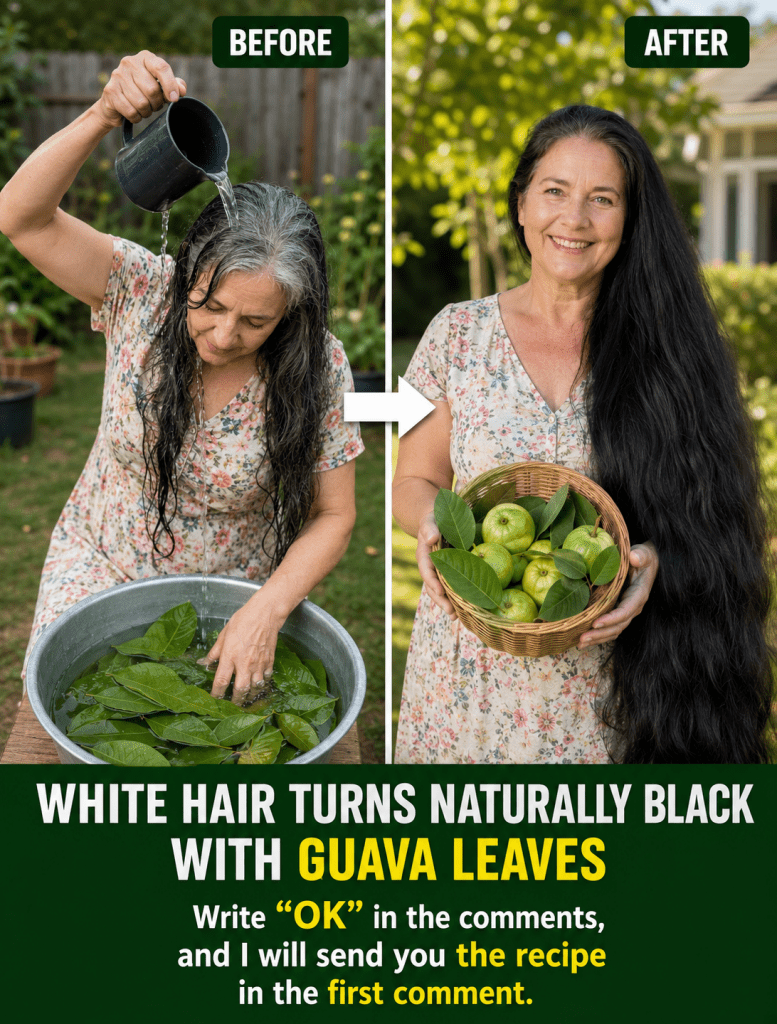
Gray hair is a natural part of aging, yet many people hope to keep their hair looking vibrant for as long as possible. While the internet is full of claims promising to turn white hair black overnight, scientific evidence tells a more balanced story.
Hair color is primarily influenced by genetics, age, and the body’s production of melanin—the natural pigment responsible for the color of your hair, skin, and eyes.
Although there is currently no scientifically proven natural remedy that can permanently reverse age-related gray hair, maintaining a healthy lifestyle, eating nutrient-rich foods, and caring for your scalp may support overall hair health and help your hair look stronger, shinier, and more vibrant.
In certain situations, such as nutrient deficiencies or temporary stress, improving overall health may contribute to partial restoration of hair pigmentation. However, once melanin production naturally declines with age, this process is generally considered permanent.
Let’s explore what causes gray hair and the natural habits that may help support healthy hair over time.
Why Does Hair Turn Gray?
Hair gets its color from melanin, a pigment produced by specialized cells called melanocytes inside the hair follicle.
There are two primary forms of melanin:
🖤 Eumelanin
Responsible for black and brown hair shades.
❤️ Pheomelanin
Creates red and golden tones.
Your natural hair color is determined by the balance between these two pigments.
As we age, melanocytes gradually produce less melanin. New hair then grows with less pigment, appearing gray, silver, or white.
For most people, genetics plays the biggest role in determining when this process begins.
Can Gray Hair Naturally Become Dark Again?
This is one of the most common questions people ask.
The answer is:
Sometimes—but only under certain circumstances.
Research suggests that in rare cases, gray hair associated with temporary factors such as:
- Nutritional deficiencies
- Significant psychological stress
- Certain underlying health conditions
may regain some pigmentation once the underlying cause is addressed.
However, naturally occurring gray hair related to aging is generally considered permanent.
Rather than expecting dramatic color changes, a healthier approach is to focus on:
✅ Supporting healthy hair growth
✅ Nourishing the scalp
✅ Providing essential nutrients for healthy follicles
These habits contribute to stronger, healthier-looking hair regardless of its natural color.
Essential Nutrients That Support Healthy Hair
Hair follicles require a steady supply of nutrients to function properly.
Vitamin B12
Low vitamin B12 levels have been associated with premature graying in some individuals.
Good food sources include:
- Eggs
- Fish
- Dairy products
- Lean meat
Iron
Iron helps transport oxygen throughout the body, including to the hair follicles.
Iron-rich foods include:
- Spinach
- Lentils
- Lean red meat
- Pumpkin seeds
Copper
Copper plays a role in the body’s natural melanin production.
Food sources include:
- Cashews
- Sesame seeds
- Mushrooms
- Dark chocolate
A balanced diet supplies many of the building blocks needed for healthy hair growth.
Antioxidants and Hair Health
Oxidative stress is believed to contribute to aging throughout the body, including the hair follicles.
Antioxidants help protect cells from free-radical damage.
Foods naturally rich in antioxidants include:
- Blueberries
- Strawberries
- Citrus fruits
- Green tea
- Leafy green vegetables
These foods support overall wellness and may contribute to healthier hair over time.
Natural Oils That Help Condition Hair
Natural oils have been used for generations as part of traditional hair-care routines.
🥥 Coconut Oil
Often used to:
- Reduce dryness
- Improve softness
- Add natural shine
- Help protect the hair shaft
🌿 Rosemary Oil
Rosemary oil has gained attention for its potential role in supporting healthy hair growth when properly diluted and applied to the scalp.
🖤 Black Seed Oil
Black seed oil contains plant compounds traditionally used to support scalp health and hair conditioning.
While these oils cannot restore lost melanin, they may improve the appearance and condition of the hair.
Why Scalp Health Matters
Healthy hair begins with a healthy scalp.
Simple habits include:
- Washing gently with suitable products
- Keeping the scalp clean
- Regular scalp massage
- Limiting excessive heat styling
- Reducing exposure to harsh chemical treatments
Scalp massage may encourage local circulation while providing a relaxing self-care routine.
Stress and Premature Graying
Stress affects many aspects of health, including hair.
Some studies suggest prolonged stress may contribute to premature graying in certain individuals.
Helpful stress-management habits include:
- Regular physical activity
- Meditation
- Deep breathing exercises
- Quality sleep
- Spending time outdoors
Managing stress supports both overall wellness and healthy hair.
Traditional Herbs Used in Hair Care
Many cultures have long incorporated herbs into their hair-care traditions.
Popular examples include:
🌿 Amla (Indian Gooseberry)
Traditionally used in Ayurvedic hair care.
🍃 Curry Leaves
Frequently infused into homemade hair oils.
🌺 Hibiscus
Often included in nourishing hair masks and herbal rinses.
🌱 Sage
Some people use sage rinses to temporarily enhance the appearance of darker hair tones.
Although these traditional remedies may improve hair texture and shine, scientific evidence supporting permanent color restoration remains limited.
Protein Supports Strong Hair
Hair is primarily made of keratin, a structural protein.
Eating enough protein helps support normal hair growth.
Good protein sources include:
- Eggs
- Fish
- Greek yogurt
- Beans
- Lentils
- Nuts
Daily Habits for Healthier Hair
Simple daily routines can make a difference.
Avoid Excessive Heat
Frequent use of:
- Hair dryers
- Flat irons
- Curling tools
may contribute to dryness and breakage.
Stay Hydrated
Proper hydration supports normal skin and scalp function.
Prioritize Sleep
Hair follicles undergo important repair processes during restful sleep.
Stay Active
Regular exercise supports healthy circulation throughout the body.
Easy DIY Hair Masks
🥥 Coconut Oil & Aloe Vera Mask
Ingredients
- 2 tablespoons coconut oil
- 2 tablespoons fresh aloe vera gel
Apply to the scalp and hair for about 30 minutes before shampooing.
🥑 Avocado Hair Mask
Ingredients
- 1 ripe avocado
- 1 tablespoon olive oil
Blend until smooth and apply for approximately 30 minutes before rinsing.
This mask may help improve softness and moisture.
Common Myths About Gray Hair
Myth 1: Pulling One Gray Hair Causes More to Grow
False.
Each follicle produces only one strand of hair at a time.
Myth 2: Natural Remedies Can Turn White Hair Black Overnight
There is currently no scientific evidence supporting this claim.
Myth 3: Gray Hair Means Poor Health
Not necessarily.
Gray hair is usually a normal part of aging and genetics.
Be cautious of products or online posts promising dramatic, guaranteed results.
When Should You Speak With a Healthcare Professional?
Consider seeking medical advice if you experience:
- Sudden widespread graying
- Significant hair loss
- Persistent scalp irritation
- Noticeable changes in hair texture
These symptoms may occasionally indicate an underlying health condition that deserves evaluation.
Final Thoughts
Gray hair is a natural part of life, but healthy hair is beautiful at every age.
Although there is no proven natural method to permanently reverse age-related gray hair, nourishing your body, caring for your scalp, managing stress, and maintaining healthy lifestyle habits can help your hair remain strong, shiny, and resilient.
Rather than chasing unrealistic promises, focus on supporting the overall health of your hair from the inside out.
Whether your hair is black, brown, silver, or white, healthy hair always makes a lasting impression.
Disclaimer
This article is intended for educational purposes only and should not be considered medical advice. Individual results vary. Always consult a qualified healthcare professional if you have concerns about sudden hair changes, scalp conditions, or nutritional deficiencies.