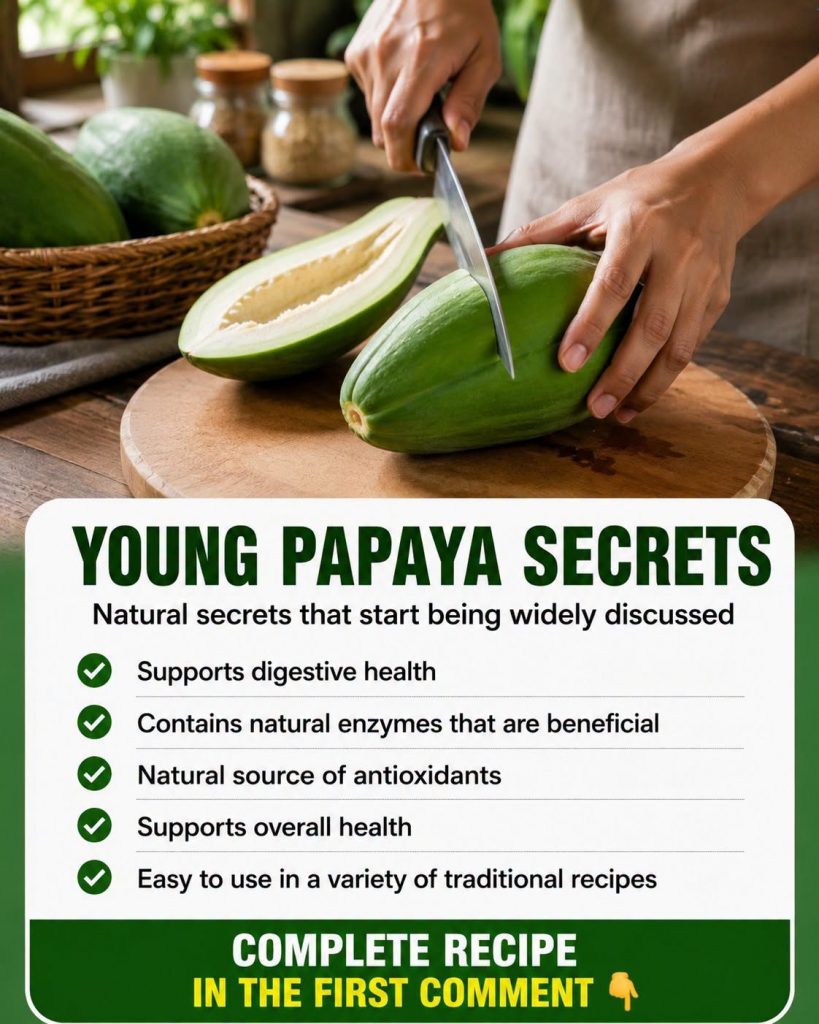
What Is Papaya Latex?
Papaya latex is the milky white sap found in:
- Unripe green papaya fruit
- Papaya leaves
- Papaya stems
- Other parts of the papaya plant
This sap contains several naturally occurring enzymes that help break down proteins and organic materials.
Some of the best-known compounds include:
- Papain – a protein-digesting enzyme commonly used in food and wellness products
- Chymopapain – an enzyme traditionally associated with tissue-support applications
- Natural plant compounds with protective properties
- Antioxidant-containing phytochemicals
These components have contributed to papaya latex’s long-standing reputation in traditional herbal practices.
1. Traditionally Used to Support Healthy Digestion
One of the most common traditional uses of papaya latex involves digestive support.
The enzymes naturally present in the sap may help break down dietary proteins more efficiently, which is why papaya-derived enzymes are often included in digestive supplements.
Potential digestive-support benefits traditionally associated with papaya latex include:
- Supporting protein digestion
- Promoting digestive comfort after meals
- Helping reduce occasional feelings of heaviness
- Supporting overall digestive function
Because the sap is highly concentrated, traditional use typically involves only very small amounts.
2. Traditional Use in Digestive Cleansing Practices
In many tropical regions, papaya latex has historically been included in traditional cleansing practices.
Some traditional preparations combine tiny amounts of papaya latex with honey or warm water for short-term use.
While these uses are part of cultural traditions, modern scientific research continues to explore the biological activity of papaya enzymes. Papaya latex should never be considered a substitute for professional medical care.
3. Popular in Traditional Skin Care Applications
Papaya enzymes have long been valued in skincare products because of their ability to help soften and exfoliate the outer layer of the skin.
Today, papaya extracts can be found in various cosmetic products designed to promote smoother-looking skin.
Traditional external uses have included:
- Softening rough skin
- Supporting gentle exfoliation
- Helping remove dead skin buildup
- Supporting general skin appearance
Direct application of raw papaya latex should be approached carefully because it may irritate sensitive skin.
4. Contains Naturally Occurring Bioactive Compounds
Papaya latex contains several biologically active compounds that have attracted scientific interest.
Researchers continue to study how papaya enzymes interact with tissues and biological systems.
Traditional wellness practices have associated papaya latex with:
- Supporting comfort in active lifestyles
- Promoting recovery after physical activity
- Supporting healthy skin maintenance
- General wellness support
More research is needed to better understand these effects.
5. Traditionally Applied to Specific Skin Areas
In some traditional practices, papaya latex has been applied directly to localized areas of thickened skin.
Because papain is a powerful enzyme, it has been historically used in highly controlled amounts for specific external purposes.
Traditional guidelines often include:
- Applying only a tiny amount
- Limiting use to the targeted area
- Avoiding contact with healthy surrounding skin
- Rinsing thoroughly afterward
Individuals with sensitive skin should avoid applying raw papaya latex without professional guidance.
Traditional Ways Papaya Latex Has Been Used
For Digestive Support
Traditional preparation:
- Mix 1–2 drops of fresh papaya latex into warm water or milk
- Use occasionally rather than daily
Important: Excessive consumption may cause digestive irritation.
For External Skin Applications
Traditional preparation:
- Apply a very small amount directly to the intended area
- Avoid surrounding healthy skin
- Wash thoroughly after a short period
Discontinue use immediately if irritation occurs.
Important Safety Considerations
Papaya latex is a potent natural substance and should always be used with caution.
Avoid:
❌ Consuming large amounts
❌ Long-term daily use
❌ Contact with eyes
❌ Applying to sensitive or damaged skin
❌ Using during pregnancy without medical advice
❌ Skipping a skin sensitivity test before external use
If redness, irritation, or discomfort develops, discontinue use immediately and seek professional guidance if needed.
Other Valuable Parts of the Papaya Plant
Papaya is often considered one of the most versatile tropical plants because nearly every part has traditional uses.
Papaya Leaves
Papaya leaves have been used in traditional wellness practices for generations.
Common traditional uses include:
- Supporting digestive wellness
- Supporting general immune function
- Promoting overall well-being
- Agricultural and gardening applications
Papaya leaf teas and extracts remain popular in many tropical regions.
Papaya Stems
Papaya stems also contain natural plant compounds and enzymes.
Traditional uses include:
- Herbal preparations
- Compost enhancement
- Organic gardening practices
As they decompose, papaya stems can contribute nutrients back to the soil.
Papaya Roots
Papaya roots have also been used in certain traditional herbal systems.
Traditional uses have included support for:
- Digestive wellness
- Urinary tract health
- General herbal preparations
Because of their potency, papaya roots should be used cautiously and only with appropriate knowledge.
Papaya Latex in Sustainable Agriculture
Beyond its traditional wellness uses, papaya latex has also attracted attention in natural farming systems.
Potential agricultural applications include:
- Natural pest-management preparations
- Compost enrichment
- Supporting soil microbial activity
- Creating nutrient-rich organic fertilizers
These qualities help make the papaya plant valuable in sustainable gardening and farming practices.
Interesting Facts About Papaya
Papaya is much more than a tropical fruit tree.
From its roots and leaves to its stems and milky sap, nearly every part of the plant has played a role in traditional practices across different cultures.
Whether used in food production, organic agriculture, or traditional wellness systems, papaya continues to be appreciated for its versatility and usefulness.
Final Thoughts
Papaya latex is one of the most fascinating natural substances produced by the papaya plant. Rich in naturally occurring enzymes and bioactive compounds, it has been valued in traditional practices for generations.
When approached carefully and responsibly, papaya latex remains an intriguing example of how plants have historically supported both wellness traditions and sustainable agriculture.
As with any herbal or natural remedy, moderation, caution, and professional guidance are always recommended.
Disclaimer
This article is intended for educational and informational purposes only. It is not medical advice and should not be used to diagnose, treat, cure, or prevent any disease. Always consult a qualified healthcare professional before using herbal products, natural remedies, or dietary supplements.