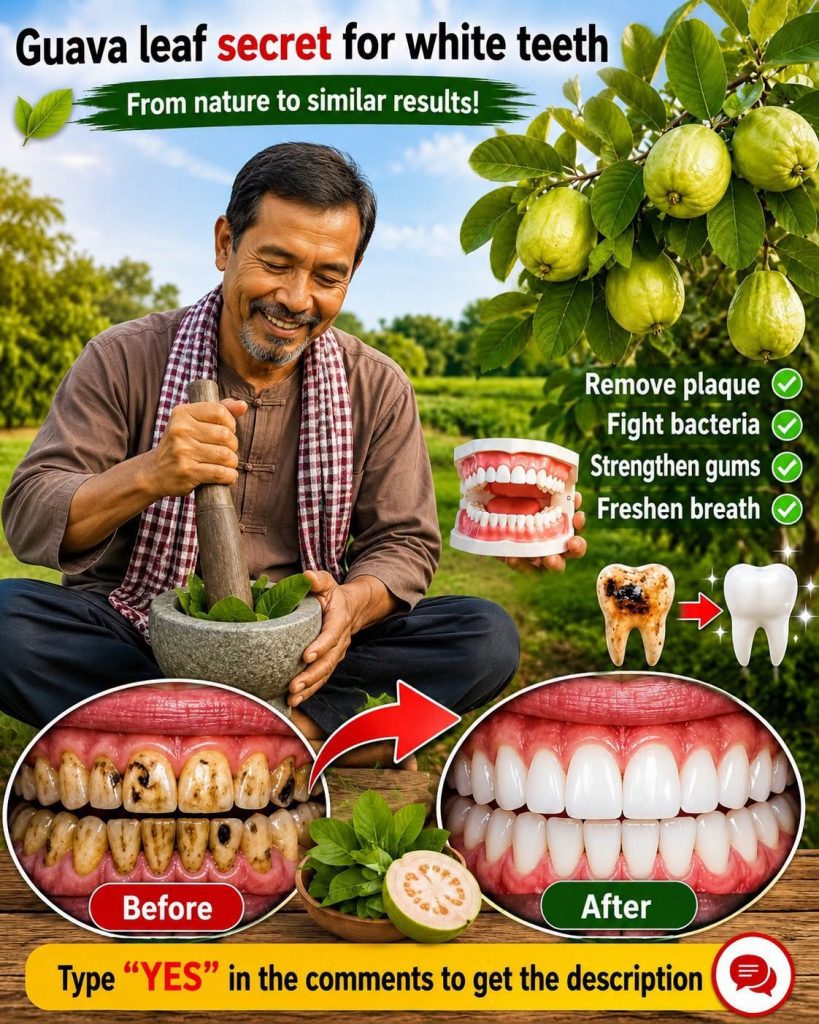
A Simple, Traditional Approach to Supporting Everyday Oral Health
Tooth sensitivity, surface stains, and early signs of tooth decay often develop gradually. At first, they may seem like minor inconveniences, but over time they can affect eating comfort, confidence when smiling, and overall oral well-being.
While modern dental products play an important role in oral hygiene, many people are also interested in simple natural practices that can complement their daily routine.
One traditional ingredient that continues to attract attention is the humble guava leaf.
Used for generations in various parts of Asia, Africa, and Latin America, guava leaves have long been incorporated into traditional oral care practices because of their naturally occurring plant compounds and ease of use.
Let’s explore three gentle ways people traditionally use guava leaves to support oral hygiene at home.
🌿 Why Are Guava Leaves Used in Traditional Oral Care?
Guava leaves come from the guava tree and contain a variety of naturally occurring compounds, including:
✔ Flavonoids
✔ Tannins
✔ Essential oils
✔ Polyphenols
✔ Antioxidants
Researchers continue to study these compounds for their potential antibacterial and antioxidant properties, which may help support a healthy oral environment when combined with good oral hygiene habits.
Why People Choose Guava Leaves
- Widely available in tropical regions
- Affordable and easy to prepare
- Traditionally used for oral hygiene
- Simple to incorporate into daily routines
It’s important to remember that guava leaves are considered a complementary practice and should not replace professional dental care.
🦷 Understanding Tooth Decay: A Simple Overview
Tooth decay develops through a gradual process:
- Food particles remain on the teeth.
- Oral bacteria feed on sugars.
- Acids are produced.
- Tooth enamel may weaken over time.
This process can contribute to:
- Tooth sensitivity
- Surface discoloration
- Discomfort when eating or drinking
- Increased risk of cavities
Good oral hygiene remains the foundation of healthy teeth and gums.
Method 1: Guava Leaf Mouth Rinse
The Most Popular Daily Practice
Why Is It Popular?
Among traditional methods, a guava leaf mouth rinse is one of the simplest and most practical options.
Many people enjoy incorporating it into their daily oral care routine because it is easy to prepare and gentle to use.
Ingredients
- 5–7 fresh or dried guava leaves
- 2 cups clean water
Preparation
Step 1
Wash the leaves thoroughly.
Step 2
Boil the leaves in water for 10–15 minutes.
Step 3
Allow the mixture to cool until comfortably warm.
Step 4
Strain the liquid into a clean container.
How to Use
- Use as a mouth rinse after brushing your teeth.
- Swish gently for 30–60 seconds.
- Spit out after use.
- Do not swallow.
Many people choose to use this rinse once daily as part of their oral care routine.
Method 2: Chewing Fresh Guava Leaves
A Traditional Quick-Freshening Method
Why Do Some People Prefer It?
In traditional practices, chewing fresh guava leaves has often been used as a quick way to freshen the mouth.
The natural chewing action may help loosen some surface debris while allowing plant compounds to mix with saliva.
Safe Use Guide
✔ Select young, clean leaves.
✔ Wash thoroughly before use.
✔ Chew gently for one to two minutes.
✔ Spit out the leaves afterward.
✔ Rinse your mouth with water.
Important Tips
- Avoid aggressive chewing.
- Stop use if irritation occurs.
- Use occasionally rather than excessively.
This method is valued more for traditional oral freshness than for any specific therapeutic effect.
Method 3: Guava Leaf Powder
A Convenient Long-Term Option
What Makes This Method Different?
For those who enjoy herbal preparations, guava leaf powder offers a convenient way to keep guava leaves available without preparing fresh tea or rinses each time.
What You’ll Need
- Fresh guava leaves
- Drying tray
- Grinder or blender
- Airtight storage container
Preparation Steps
Step 1
Wash the leaves carefully.
Step 2
Allow them to dry in a shaded, well-ventilated area for several days.
Step 3
Grind the dried leaves into a fine powder.
Step 4
Store in a sealed container away from moisture.
How to Use
Option 1:
Mix a very small amount with toothpaste before brushing.
Option 2:
Blend a small amount with warm water to create an occasional herbal mouth rinse.
Moderation is recommended for best results.
📊 Comparing the Three Methods
| Method | Preparation Time | Ease of Use | Best For |
|---|---|---|---|
| Mouth Rinse | Moderate | Moderate | Daily routine |
| Chewing Leaves | Very Low | Simple | Quick freshness |
| Leaf Powder | Higher initially | Convenient later | Long-term use |
Each method offers a different level of convenience depending on personal preferences and lifestyle.
🔬 What Does Research Say?
Scientists have investigated how guava leaf extracts interact with oral bacteria under laboratory conditions.
Some studies suggest that guava leaves contain compounds that may help support a healthy oral environment.
However, researchers consistently emphasize an important point:
👉 Guava leaves should be viewed as a supportive practice rather than a standalone solution.
Healthy teeth and gums require a comprehensive approach that includes professional care.
🌟 Additional Habits for Better Oral Health
For the best results, consider combining natural practices with proven oral care habits:
Brush Twice Daily
Use a fluoride-containing toothpaste unless otherwise advised by your dentist.
Reduce Frequent Sugary Snacks
Frequent sugar exposure can contribute to enamel wear and cavity formation.
Rinse After Meals
A simple water rinse may help remove food particles and support oral cleanliness.
Stay Hydrated
Water helps support saliva production, which plays an important role in maintaining oral balance.
Visit Your Dentist Regularly
Professional examinations and cleanings remain essential for long-term oral health.
Consistency matters more than any single ingredient.
Frequently Asked Questions
Can guava leaves cure cavities?
No. Guava leaves are not a treatment for cavities. Existing cavities require professional dental evaluation and treatment.
Can guava leaf rinses replace toothpaste?
No. Brushing with toothpaste remains one of the most important parts of oral hygiene.
Is it safe to use guava leaves daily?
Many people use guava leaf rinses regularly as part of traditional oral care. However, moderation and proper hygiene are recommended.
Can children use guava leaf mouth rinse?
Parents should consult a dental professional before introducing herbal oral care practices to children.
🌿 Final Thoughts
There is a reason guava leaves remain popular in traditional oral care practices: they are simple, accessible, and easy to prepare.
Whether used as a mouth rinse, chewed occasionally, or prepared as a powder, guava leaves may serve as a helpful complement to a consistent oral hygiene routine.
At the same time, lasting oral health depends on daily habits, professional dental care, and long-term consistency—not quick fixes.
Small steps practiced every day often make the biggest difference over time.
Disclaimer
This article is intended for educational and informational purposes only. It is not medical or dental advice and should not replace professional dental care. Always consult a qualified dentist or healthcare professional regarding concerns about oral health, cavities, gum conditions, or treatment options.