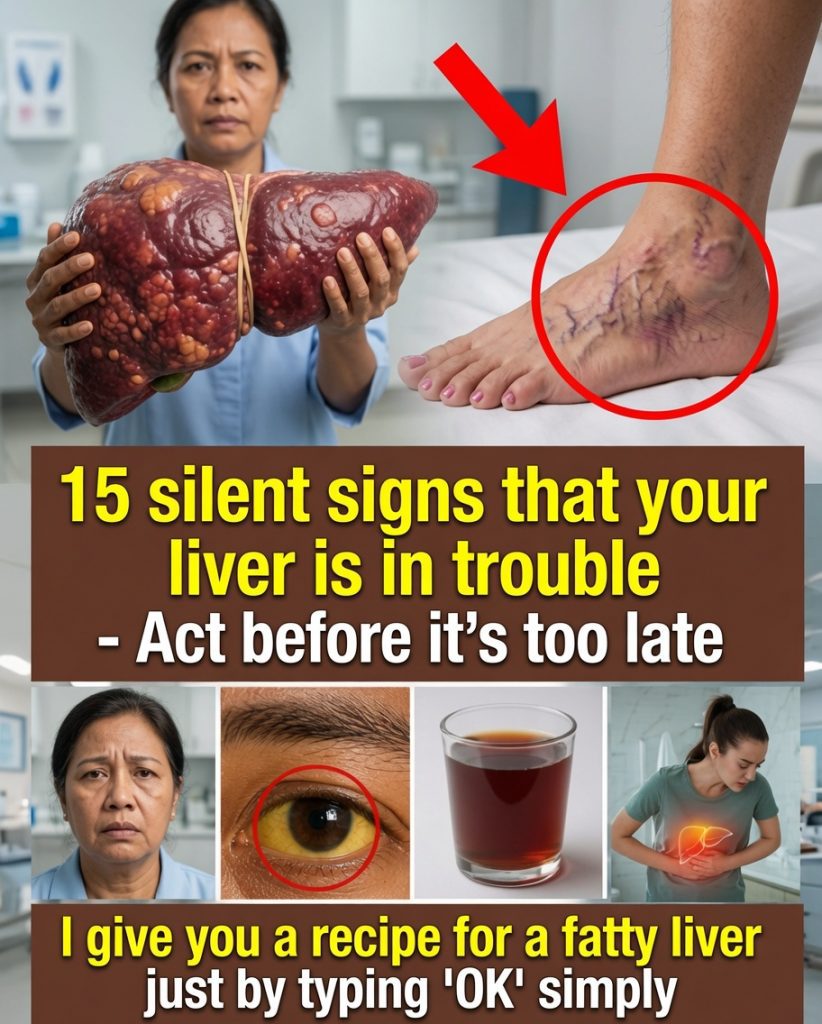
Every day, it helps process nutrients, metabolize fats, regulate energy, filter waste products, and support hundreds of essential functions. Yet unlike many other organs, the liver often doesn’t cause obvious symptoms in its early stages of stress.
That’s why many people overlook subtle changes that may simply reflect an unhealthy lifestyle—or, in some cases, may deserve medical attention.
The good news? Your liver is remarkably resilient. Healthy daily habits, nutritious foods, regular movement, and maintaining a healthy weight can go a long way toward supporting normal liver function.
In this article, you’ll learn:
✔ 15 subtle signs that may be worth paying attention to
✔ Why lifestyle plays such an important role in liver health
✔ Simple, science-supported habits that can help support your liver naturally
Why Liver Health Matters
The liver performs more than 500 vital functions, including:
Processing nutrients from food
Producing bile for digestion
Helping regulate blood sugar
Breaking down medications
Supporting cholesterol metabolism
Filtering waste products from the bloodstream
Storing important vitamins and minerals
When excess fat accumulates in the liver—a condition commonly known as fatty liver—its ability to function efficiently may gradually become affected.
Many people with fatty liver have no symptoms at all, especially in the early stages.
15 Quiet Signs Your Body May Be Sending
These symptoms are not specific to liver disease and can have many possible causes. However, persistent or unexplained symptoms should always be discussed with a healthcare professional.
1. Persistent Fatigue
Feeling unusually tired despite getting enough sleep is one of the most commonly reported symptoms associated with many chronic health conditions, including liver problems.
2. Low Energy Throughout the Day
If everyday tasks suddenly feel more exhausting than usual, it may be worth reviewing your overall health, sleep habits, nutrition, and physical activity.
3. Frequent Bloating
Occasional bloating is common, but persistent digestive discomfort may indicate that your digestive system needs attention.
4. Feeling Heavy After Meals
Some people notice that fatty or highly processed meals leave them feeling unusually sluggish or uncomfortable.
5. Mild Digestive Changes
Nausea, reduced appetite, or occasional indigestion may occur for many reasons and should be evaluated if they become persistent.
6. Difficulty Maintaining a Healthy Weight
Excess body fat—particularly around the abdomen—is strongly associated with non-alcoholic fatty liver disease (NAFLD).
7. Brain Fog
Some people describe difficulty concentrating, forgetfulness, or feeling mentally “slower” when they aren’t feeling their best.
8. Dull-Looking Skin
Healthy skin often reflects overall health. Poor nutrition, dehydration, lack of sleep, and certain medical conditions can all influence skin appearance.
9. Persistent Itching
Occasional itching is common, but unexplained or ongoing itching should always be discussed with a healthcare provider.
10. Swelling Around the Abdomen
Abdominal fullness can result from many different conditions and deserves medical evaluation if it develops unexpectedly.
11. Reduced Exercise Tolerance
Feeling unusually tired during activities that once felt easy may signal that your overall health deserves attention.
12. Changes in Appetite
Sudden loss of appetite or feeling full very quickly may have multiple causes and shouldn’t be ignored if persistent.
13. Discomfort in the Upper Right Abdomen
Persistent pain or discomfort under the right rib cage should always be evaluated by a healthcare professional.
14. Yellowing of the Skin or Eyes
Yellowing of the skin or the whites of the eyes (jaundice) requires prompt medical assessment.
15. General Feeling of “Not Feeling Like Yourself”
Sometimes people simply notice they don’t feel as energetic or well as they used to. While this isn’t specific to liver health, it’s a reminder to pay attention to your body’s signals.
Why Fatty Liver Often Develops Quietly
Fatty liver usually develops gradually rather than suddenly.
Several lifestyle factors may increase the risk, including:
Excess body weight
Diets high in added sugars
Frequent consumption of ultra-processed foods
Excess alcohol intake
Physical inactivity
Type 2 diabetes
High cholesterol or triglycerides
The encouraging news is that lifestyle changes can often make a meaningful difference, especially in the earlier stages.
Healthy Habits That May Support Your Liver Naturally
Rather than searching for miracle “liver cleanses,” experts recommend focusing on sustainable habits.
🥗 Eat More Whole Foods
Choose meals that include:
Leafy green vegetables
Colorful fruits
Whole grains
Beans and legumes
Nuts and seeds
Healthy fats such as olive oil and avocado
These foods provide fiber, antioxidants, and essential nutrients that support overall health.
🍓 Increase Fiber Intake
Fiber supports digestive health and may help improve metabolic health.
Good sources include:
Oats
Apples
Berries
Lentils
Vegetables
Sweet potatoes
💧 Stay Well Hydrated
Water supports countless normal body functions.
Choosing water instead of sugary beverages can also help reduce excess calorie intake.
🚶 Move Your Body Every Day
Regular physical activity is one of the most effective lifestyle strategies for supporting liver health.
Even:
Walking
Cycling
Swimming
Light strength training
can contribute to better metabolic health.
Aim for at least 150 minutes of moderate exercise each week whenever possible.
🍬 Reduce Added Sugar
Large amounts of added sugars—especially from sugary drinks and desserts—may contribute to fat accumulation in the liver over time.
Replacing sweetened beverages with water or unsweetened tea is a simple first step.
🍟 Limit Ultra-Processed Foods
Foods high in refined carbohydrates, trans fats, and excessive sodium may negatively affect overall metabolic health.
Cooking more meals at home can make healthier choices easier.
😴 Prioritize Sleep
Poor sleep has been linked to metabolic disturbances.
Aim for 7–9 hours of quality sleep most nights.
Foods That May Support Overall Liver Health
No single food can “repair” the liver on its own, but a balanced eating pattern can support healthy liver function.
Examples include:
🥬 Leafy greens
🫐 Berries
🥑 Avocados
🐟 Fatty fish rich in omega-3 fats
🌰 Walnuts
☕ Coffee (in moderation, for many adults)
🍵 Green tea
These foods fit well within many heart-healthy and Mediterranean-style eating patterns.
A Simple Liver-Friendly Meal Idea
Ingredients
🥗 Mixed leafy greens
🍠 Roasted sweet potato
🥑 Sliced avocado
🐟 Grilled salmon or grilled tofu
🍋 Fresh lemon juice
🫒 Extra virgin olive oil
Directions
Combine all ingredients and drizzle with olive oil and lemon juice for a balanced meal rich in fiber, healthy fats, and colorful vegetables.
Frequently Asked Questions
Can fatty liver be reversed?
In many cases, especially in the early stages of non-alcoholic fatty liver disease, lifestyle improvements such as weight management, regular exercise, and a balanced diet can help reduce liver fat. Individual results vary and should be guided by a healthcare professional.
Are “liver detox” drinks necessary?
There is no strong scientific evidence that detox drinks or supplements cleanse the liver. Your liver naturally performs this function. Supporting it through healthy lifestyle habits is generally the best approach.
Should I avoid all fats?
No. Healthy fats from foods like olive oil, nuts, seeds, and fish are important as part of a balanced diet.
Can I have fatty liver without symptoms?
Yes. Many people have fatty liver without noticeable symptoms, which is why regular medical checkups are important if you have risk factors.
Final Thoughts
Your liver works tirelessly every day, often without asking for attention.
If you’ve noticed persistent fatigue, digestive discomfort, or other ongoing changes, don’t ignore them—but also don’t assume they’re caused by your liver alone. Many conditions can produce similar symptoms.
The most effective way to support liver health isn’t through expensive supplements or quick fixes. Instead, focus on the habits that consistently benefit your entire body:
✔ Eat more whole, minimally processed foods.
✔ Stay active.
✔ Maintain a healthy weight.
✔ Drink enough water.
✔ Get quality sleep.
✔ Limit added sugar and excessive alcohol.
Small, sustainable changes made consistently over time can have a meaningful impact on your long-term health. If symptoms persist or you’re concerned about your liver, speak with a qualified healthcare professional for appropriate evaluation and guidance.