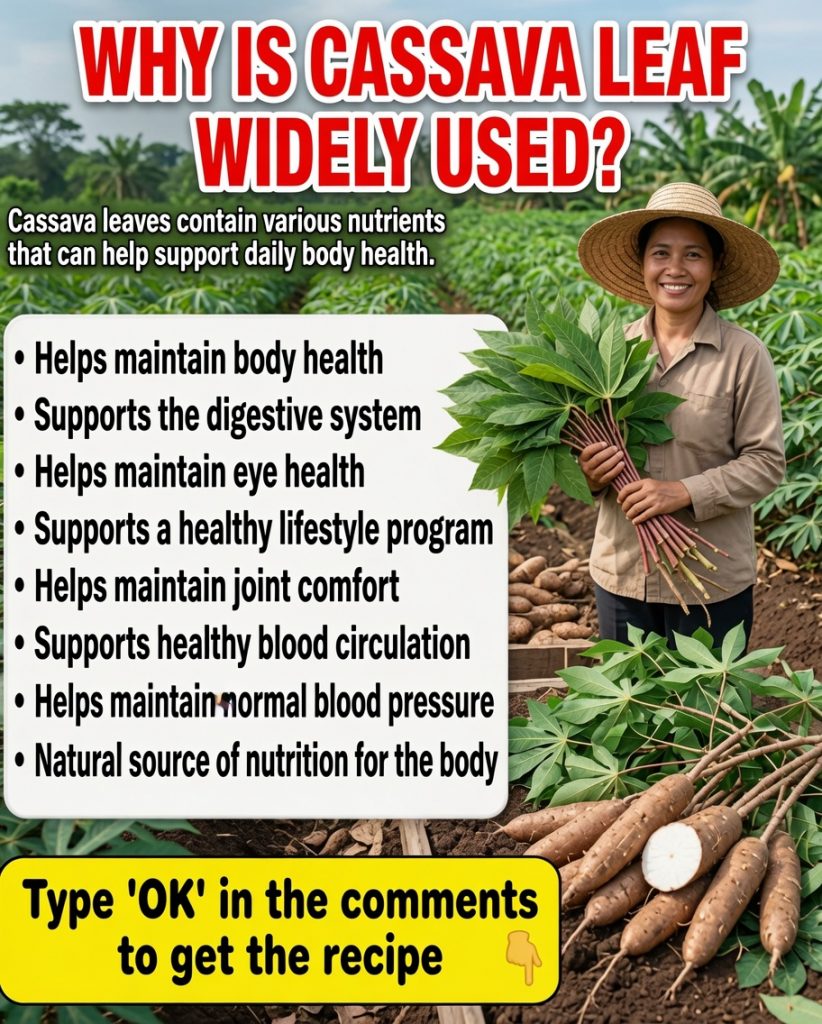
When people think of the cassava plant, they often picture its starchy root. However, cassava leaves have also been valued for generations in traditional cuisines and herbal practices throughout Africa, Asia, and South America.
Rich in vitamins, minerals, protein, and antioxidants, these leafy greens are increasingly recognized as a nutritious food when properly prepared.
While cassava leaves are not a cure for disease, they can be a valuable part of a balanced diet that supports overall health.
Let’s explore their nutritional value, traditional uses, safe preparation methods, and important precautions.
What Are Cassava Leaves?
Cassava leaves come from the cassava plant (Manihot esculenta), a tropical crop widely cultivated for its edible root.
Although the roots are best known worldwide, the leaves are also consumed in many traditional dishes after thorough cooking.
When prepared correctly, cassava leaves provide a variety of beneficial nutrients, including:
Vitamin A (from beta-carotene)
Vitamin C
Plant-based protein
Iron
Calcium
Potassium
Dietary fiber
Natural antioxidants
Their unique combination of nutrients makes them one of the more protein-rich leafy vegetables commonly eaten in many regions.
Potential Nutritional Benefits of Cassava Leaves
1. May Support Healthy Vision
Cassava leaves are naturally rich in beta-carotene, which the body converts into vitamin A.
Vitamin A contributes to:
Normal vision
Healthy eye tissues
Night vision
Overall eye health
Including vitamin A-rich foods as part of a varied diet can help support long-term visual wellness.
2. Supports Immune Function
Vitamin C and antioxidant compounds help protect cells from oxidative stress while supporting the normal function of the immune system.
A nutrient-rich diet filled with colorful vegetables remains one of the best ways to support overall wellness.
3. May Promote Digestive Health
Cassava leaves contain dietary fiber, which contributes to healthy digestion by helping support:
Regular bowel movements
A balanced digestive system
Everyday digestive comfort
Fiber also plays an important role in maintaining a healthy gut microbiome.
4. A Good Source of Plant Protein
Compared with many leafy vegetables, cassava leaves contain a relatively high amount of plant-based protein.
Protein contributes to:
Muscle maintenance
Tissue repair
Normal body function
When paired with other nutritious foods, cassava leaves can be part of a well-balanced meal.
5. May Support Healthy Bones
The calcium and other minerals naturally found in cassava leaves contribute to maintaining healthy bones and teeth.
Combined with regular physical activity and adequate vitamin D, these nutrients support lifelong bone health.
6. May Help Support Heart Health
Cassava leaves contain nutrients that contribute to cardiovascular wellness, including potassium and antioxidants.
A heart-friendly eating pattern rich in vegetables, fruits, whole grains, and healthy fats is associated with better long-term cardiovascular health.
7. Traditionally Used for Joint Comfort
In traditional herbal practices, cassava leaves have sometimes been used to support joint comfort.
Although laboratory research has explored certain plant compounds found in cassava, more high-quality human studies are needed before drawing conclusions about specific health effects.
What Does Science Say?
Modern research confirms that cassava leaves are highly nutritious and contain valuable vitamins, minerals, antioxidants, and plant compounds.
However, there is no reliable scientific evidence showing that cassava leaves can cure or reverse serious conditions such as:
Cancer
Stroke
Diabetes
Heart disease
Instead, they should be viewed as a nutritious food that complements—not replaces—a healthy lifestyle and professional medical care.
Why Proper Preparation Is Essential
One of the most important facts about cassava leaves is that they should never be eaten raw.
Raw cassava leaves naturally contain cyanogenic compounds, which can release cyanide if not properly processed.
Fortunately, traditional cooking methods effectively reduce these compounds to safe levels.
How to Prepare Cassava Leaves Safely
Ingredients
A handful of fresh cassava leaves
1 liter of water
Fresh ginger (optional)
Directions
Wash the leaves thoroughly.
Remove tough stems if desired.
Bring the water to a boil.
Add the leaves.
Simmer for at least 15–20 minutes.
Drain or strain the cooking liquid.
Serve the cooked leaves as part of a meal or prepare them according to your favorite traditional recipe.
Proper cooking is the key to safe consumption.
Traditional Wellness Practices
In some traditional communities, cooked cassava leaf preparations have been included in wellness routines for general nourishment.
These practices are cultural traditions rather than medically established treatments, and individual experiences may vary.
Helpful Tips for Including Cassava Leaves in Your Diet
Cooked cassava leaves pair well with:
Brown rice
Fish
Beans
Lean meats
Ground peanuts
Coconut milk
Tomatoes
Garlic and onions
Combining them with a variety of whole foods creates a balanced, nutrient-rich meal.
Important Safety Tips
For safe enjoyment:
Never consume raw cassava leaves.
Always cook thoroughly before eating.
Avoid excessive intake.
Pregnant or breastfeeding individuals should consult a healthcare professional before making significant dietary changes.
People with thyroid disorders or other medical conditions should seek individualized medical advice.
Purchase fresh leaves from reliable sources whenever possible.
Frequently Asked Questions
Can cassava leaves cure disease?
No. Cassava leaves are nutritious, but there is no scientific evidence that they cure serious illnesses.
Are cassava leaves healthy?
Yes. When properly cooked, they provide vitamins, minerals, antioxidants, fiber, and plant protein that support overall health.
Why must they be cooked?
Cooking helps remove naturally occurring cyanogenic compounds, making the leaves safe to eat.
Final Thoughts
Cassava leaves have earned their place in traditional cuisines for good reason. When properly prepared, they offer an impressive nutritional profile that can help support overall wellness as part of a varied and balanced diet.
Rather than viewing them as a miracle remedy, think of cassava leaves as another nutritious leafy green that complements healthy eating habits, regular physical activity, and routine medical care.
Sometimes, the greatest health benefits come not from extraordinary ingredients—but from consistently enjoying wholesome foods prepared safely and mindfully.
Disclaimer: This article is intended for educational purposes only and should not be considered medical advice. It is not intended to diagnose, treat, cure, or prevent any disease. Always consult a qualified healthcare professional before making significant dietary changes, especially if you have an existing medical condition.