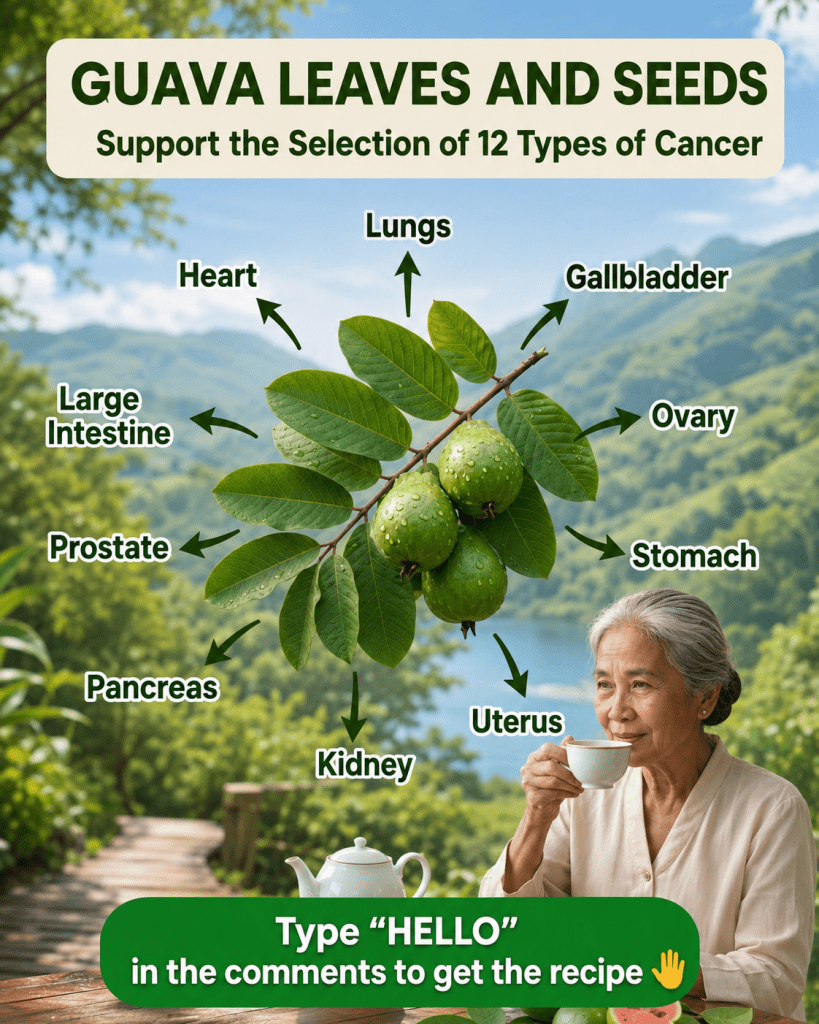
Discover the Traditional Benefits of Guava Leaf Tea
Guava is widely loved for its sweet flavor, refreshing aroma, and impressive nutritional value. But beyond the fruit itself, guava leaves have long been appreciated in traditional wellness practices for their potential health-supporting properties.
Guava leaf tea is a simple herbal beverage that has been used for generations in various cultures, particularly throughout Latin America. Rich in natural plant compounds such as flavonoids, polyphenols, tannins, quercetin, and vitamin C, this soothing tea is becoming increasingly popular among people looking for natural ways to support overall well-being.
While it is not a cure or treatment for any medical condition, guava leaf tea may be a valuable addition to a balanced and healthy lifestyle.
✨ Potential Benefits of Guava Leaf Tea
1. Supports Digestive Comfort
One of the most traditional uses of guava leaf tea is for digestive support.
The leaves naturally contain tannins and quercetin, compounds that have been studied for their soothing and antioxidant properties. Many people enjoy guava leaf tea when experiencing occasional digestive discomfort.
It may help support:
- Digestive balance
- Occasional bloating relief
- General stomach comfort
- Healthy digestive function
A warm cup of guava leaf tea can be a comforting addition to your daily routine, especially after meals.
2. Helps Support Healthy Blood Sugar Management
Research has explored the potential role of guava leaf compounds in supporting normal carbohydrate metabolism.
Some studies suggest that certain plant compounds found in guava leaves may help support healthy blood sugar levels when combined with:
- A balanced diet
- Regular physical activity
- Healthy lifestyle habits
For this reason, guava leaf tea is often included in wellness routines focused on maintaining metabolic health.
3. Rich in Natural Antioxidants
Guava leaves contain various beneficial plant compounds, including:
- Flavonoids
- Polyphenols
- Natural antioxidants
Antioxidants help protect cells from oxidative stress caused by free radicals, which are naturally produced during everyday metabolic processes.
Supporting antioxidant intake may contribute to:
- Cellular wellness
- Healthy aging
- Overall vitality
- Cardiovascular support
4. Supports Natural Immune Function
Guava leaves contain vitamin C and other naturally occurring compounds that may help support the body’s normal immune defenses.
Combined with proper nutrition, sleep, hydration, and physical activity, guava leaf tea can be a simple way to complement a wellness-focused lifestyle.
5. May Contribute to Heart Health
Some research suggests that guava leaf extracts may help support:
- Healthy cholesterol levels already within the normal range
- Balanced triglyceride levels
- Healthy circulation
Although more research is ongoing, these findings have made guava leaf tea increasingly popular among people seeking natural ways to support cardiovascular wellness.
🍵 How to Make Guava Leaf Tea
Ingredients (Makes About 3 Cups)
- 3–4 young guava leaves (fresh or dried)
OR
- 1 tablespoon dried guava leaves
- 1 liter (4 cups) water
Instructions
- Wash the guava leaves thoroughly under running water.
- Bring the water to a boil.
- Turn off the heat.
- Add the guava leaves to the hot water.
- Cover and steep for 8–10 minutes.
- Strain before serving.
- Enjoy warm.
For additional flavor, you may add:
- A squeeze of fresh lemon
- A small amount of honey (optional)
Tip: Avoid boiling the leaves for extended periods, as gentle steeping helps preserve their natural compounds.
🌱 Suggested Use
If you are new to guava leaf tea, start with:
- 1 cup daily
Then gradually increase to:
- 1–2 cups per day as desired
Always pay attention to how your body responds.
⚠️ Important Considerations
Choose Clean, Quality Leaves
For the best experience, use guava leaves that are:
- Properly washed
- Free from pesticides
- Organically grown whenever possible
Enjoy in Moderation
Because guava leaves contain tannins, excessive consumption may occasionally cause digestive discomfort in some individuals.
Moderation is generally recommended.
Speak with a Healthcare Professional If You:
- Are pregnant
- Are breastfeeding
- Have kidney-related conditions
- Take prescription medications
- Have ongoing medical concerns
Not a Substitute for Medical Care
Guava leaf tea should be viewed as a supportive wellness beverage rather than a replacement for professional medical advice, diagnosis, or treatment.
🌟 Why Add Guava Leaf Tea to Your Daily Routine?
Healthy living often comes from simple, consistent habits.
Taking a few minutes each day to enjoy a warm cup of herbal tea can become a relaxing self-care ritual that supports both physical and mental well-being.
When combined with:
✅ Balanced nutrition
✅ Adequate hydration
✅ Regular movement
✅ Quality sleep
✅ Stress management
Guava leaf tea can be a pleasant addition to an overall wellness-focused lifestyle.
💚 Final Thoughts
Guava leaf tea is a traditional herbal beverage valued for its rich antioxidant content and long history of use in natural wellness practices.
Potential benefits may include:
✅ Supporting digestive wellness
✅ Helping maintain healthy blood sugar balance
✅ Providing antioxidant support
✅ Supporting immune function
✅ Contributing to heart-friendly lifestyle habits
While results vary from person to person, many people enjoy guava leaf tea as part of their daily health routine.
Sometimes the simplest gifts from nature can become meaningful additions to a healthy lifestyle.
👉 If you found this article helpful, share it with friends and family so more people can discover this traditional herbal tea and its wellness-supporting potential.
