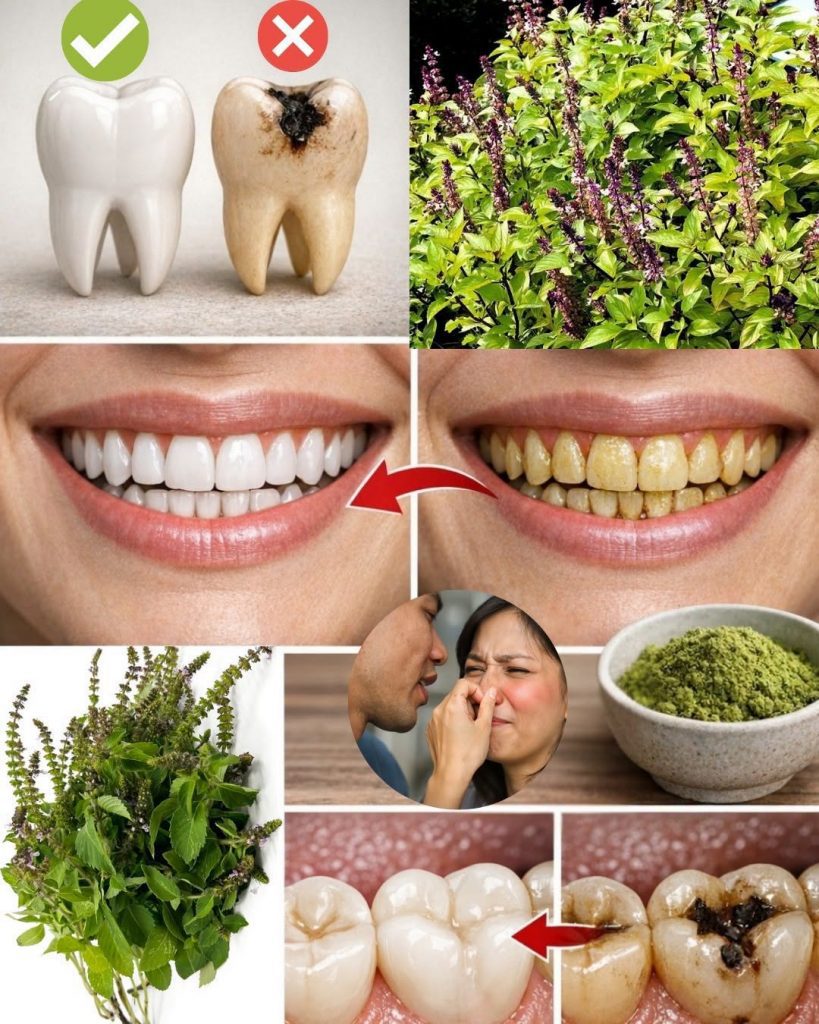
🌿 Tulsi: The Ancient Herb with Modern Benefits for Oral Care
When most people think of Tulsi (Holy Basil), they often associate it with wellness teas, relaxation, and immune support. However, this revered herb has also been valued for centuries in traditional Ayurvedic practices as a natural supporter of oral hygiene.
Today, growing interest in plant-based wellness has renewed attention on Tulsi’s role in maintaining a clean, healthy mouth. Thanks to its naturally occurring plant compounds, Tulsi may help support fresh breath, healthy gums, and overall oral comfort when used as part of a consistent oral care routine.
Let’s explore why this remarkable herb continues to be appreciated for oral wellness.
🦠 1. May Help Maintain a Cleaner Oral Environment
The mouth naturally contains many types of bacteria. While some are beneficial, others can contribute to plaque buildup and oral discomfort when they multiply excessively.
Tulsi contains naturally occurring compounds such as:
- Eugenol
- Ursolic acid
- Linalool
- Various antioxidant-rich phytochemicals
These compounds have been studied for their ability to support a balanced oral environment and help promote everyday oral cleanliness.
As part of good oral hygiene habits, Tulsi may help:
✔ Support fresher breath
✔ Reduce the buildup of unwanted bacteria
✔ Contribute to a cleaner feeling mouth
💪 2. Supports Healthy Gums
Healthy gums are an essential part of a healthy smile.
Daily brushing and flossing remain the foundation of gum care, but traditional herbal remedies like Tulsi have long been used to complement these habits.
Tulsi’s naturally soothing properties may help support:
- Gum comfort
- Healthy circulation in gum tissue
- Everyday gum wellness
Its antioxidant content may also help protect oral tissues from environmental stressors that can affect long-term oral health.
🌬️ 3. A Natural Way to Freshen Breath
Bad breath can sometimes be linked to oral bacteria, dry mouth, food particles, or other lifestyle factors.
One reason Tulsi has remained popular in traditional wellness practices is its naturally refreshing aroma.
Many people enjoy Tulsi because it may help:
- Promote fresher-smelling breath
- Leave the mouth feeling clean
- Provide a pleasant herbal freshness
Its scent is often described as refreshing and mildly mint-like, making it a popular natural alternative for everyday breath care.
🦷 4. Helps Support Strong Teeth
Strong teeth depend on a combination of factors, including nutrition, oral hygiene, and regular dental care.
Tulsi contains antioxidants and naturally occurring plant nutrients that may help support overall oral wellness.
When used responsibly as part of a balanced oral care routine, Tulsi may contribute to:
✔ Maintaining tooth comfort
✔ Supporting enamel-friendly habits
✔ Promoting long-term oral health
Remember that Tulsi is best used as a complement—not a replacement—for brushing, flossing, and professional dental care.
🩹 5. Traditionally Used for Oral Comfort
In many traditional wellness systems, Tulsi has been used to help soothe minor oral discomforts and support overall mouth wellness.
Its naturally calming properties have made it a popular ingredient in herbal oral care preparations intended to:
- Support oral comfort
- Promote a healthy-feeling mouth
- Encourage a refreshed sensation after use
While individual experiences vary, Tulsi continues to be valued as a versatile herb for everyday wellness.
🌿 Simple Ways to Use Tulsi for Oral Care
1. Tulsi Herbal Mouth Rinse
Ingredients:
- 10–15 fresh Tulsi leaves (or 1 tablespoon dried Tulsi)
- 1 cup water
Directions:
- Bring water to a gentle boil.
- Add Tulsi leaves.
- Simmer for 5–10 minutes.
- Allow to cool completely.
- Strain and use as a mouth rinse.
Use once or twice daily as part of your oral hygiene routine.
2. Homemade Tulsi Tooth Powder
Ingredients:
- Dried Tulsi leaves
- Optional: a small amount of coconut oil
Directions:
- Dry the leaves thoroughly.
- Grind into a fine powder.
- Use sparingly alongside your regular brushing routine.
Many people appreciate this traditional method for its simplicity and natural ingredients.
3. Chewing Fresh Tulsi Leaves
Some individuals enjoy chewing a few fresh Tulsi leaves occasionally.
This traditional practice may help:
- Promote a fresh feeling in the mouth
- Support oral cleanliness
- Provide a pleasant herbal flavor
Moderation is recommended.
4. Tulsi and Clove Herbal Blend
Ingredients:
- 1 teaspoon Tulsi powder
- ½ teaspoon clove powder
- A few drops of coconut oil
Mix into a smooth paste and apply gently to the gums for a few minutes before rinsing.
This traditional combination is popular because both Tulsi and clove have long histories of use in natural oral care.
⚠️ Important Considerations
While Tulsi is generally appreciated as a traditional wellness herb, it should not replace:
- Daily brushing
- Flossing
- Professional dental checkups
- Recommended dental treatments
If you experience ongoing oral discomfort, persistent bad breath, bleeding gums, or tooth pain, consult a qualified dental professional.
As with any herbal remedy, discontinue use if irritation occurs.
🌟 Final Thoughts
Tulsi, often called the “Queen of Herbs,” offers much more than a pleasant aroma and traditional wellness benefits. Its long history in Ayurvedic practices has made it a popular natural option for supporting oral hygiene and maintaining a fresh, healthy smile.
When combined with good dental habits, a balanced diet, and regular professional care, Tulsi can be a simple and enjoyable addition to your daily wellness routine.
💚 Small, consistent habits often make the biggest difference—and caring for your smile naturally can be one of them.