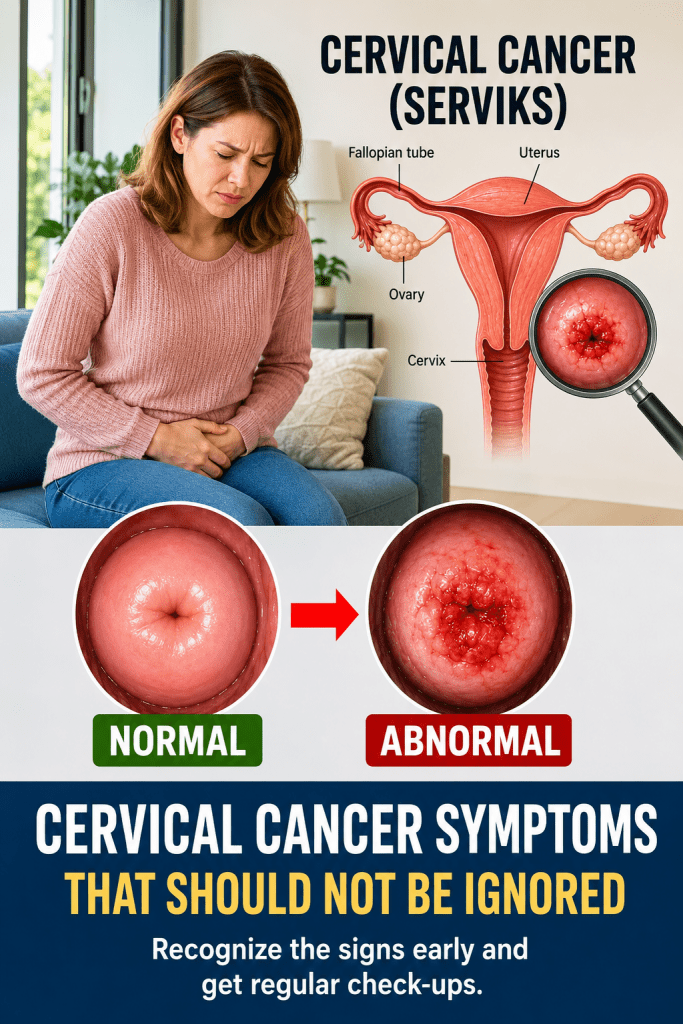
Many women go about their daily lives without realizing that subtle changes in their bodies can sometimes signal an underlying health issue. Cervical cancer often develops slowly, and in its earliest stages it may cause few or no noticeable symptoms. When symptoms do appear, they can easily be mistaken for hormonal changes, minor infections, or everyday stress.
The encouraging news is that cervical cancer is one of the most preventable cancers when regular screening and appropriate follow-up care are part of a woman’s healthcare routine. Learning to recognize potential warning signs—and seeking medical evaluation when something doesn’t feel right—can make an important difference.
What Is Cervical Cancer?
Cervical cancer begins in the cells of the cervix, the lower part of the uterus that connects to the vagina.
Most cases are linked to a persistent infection with certain high-risk types of Human Papillomavirus (HPV), a common virus spread through intimate skin-to-skin contact. In many people, the immune system naturally clears HPV within a few years. However, when high-risk HPV infections persist, abnormal cervical cells may gradually develop over many years.
Because these early changes often cause no symptoms, routine screening plays a vital role in detecting abnormalities before they become more serious.
Why Early Detection Matters
One of the greatest challenges of cervical cancer is that it often progresses quietly.
By the time symptoms appear, the condition may already require more extensive evaluation. Fortunately, modern screening tests can identify many cervical changes long before cancer develops.
Paying attention to your body while keeping up with recommended screenings provides one of the best opportunities for early detection.
Symptoms That Shouldn’t Be Ignored
Many of these symptoms can also be caused by conditions other than cervical cancer. However, if they persist, worsen, or seem unusual for you, it’s important to speak with a healthcare professional.
1. Unusual Changes in Menstrual Bleeding
Watch for:
- Heavier-than-normal periods
- Menstrual bleeding lasting longer than usual
- Bleeding between periods
- Bleeding after menopause
Any unexpected change in bleeding patterns deserves medical evaluation.
2. Unusual Vaginal Discharge
Seek medical advice if you notice discharge that is:
- Watery
- Blood-tinged
- Brown or unusually colored
- Accompanied by a strong or unpleasant odor
Changes in vaginal discharge may have many possible causes, including infections, but they should not be ignored.
3. Bleeding After Sexual Activity
Light bleeding following intercourse is not considered normal for many women and should be evaluated by a healthcare provider.
While there are several possible explanations, it is an important symptom to discuss promptly.
4. Pain During Sexual Intercourse
New or worsening pain during intimacy may be related to several gynecological conditions, including cervical abnormalities.
Persistent discomfort deserves professional assessment.
5. Persistent Pelvic or Lower Back Pain
Ongoing pain or pressure in the pelvis or lower back that cannot be explained by normal muscle strain may warrant further evaluation.
Although these symptoms are common and often caused by non-cancerous conditions, persistent pain should not be overlooked.
6. Other Possible Symptoms
As cervical cancer becomes more advanced, additional symptoms may include:
- Unexplained fatigue
- Unintentional weight loss
- Swelling in one or both legs
- Changes in bladder or bowel function
These symptoms can have many causes, but persistent or unexplained changes should always be discussed with a healthcare professional.
When Should You See a Doctor?
Arrange a medical evaluation if:
- Symptoms last longer than two weeks.
- Bleeding occurs after menopause or after sexual intercourse.
- Pelvic pain interferes with daily activities.
- You notice any unusual vaginal discharge.
- You simply feel that something isn’t right.
Trusting your instincts and seeking timely medical advice is an important part of protecting your health.
How Is Cervical Cancer Detected?
Many cases can be identified before symptoms appear through routine screening.
Depending on your age, medical history, and local healthcare guidelines, your healthcare provider may recommend:
- HPV testing
- Pap (Pap smear) testing
- Co-testing (HPV test combined with a Pap test)
Regular screening helps detect abnormal cervical cells early, when they can often be monitored or treated before cancer develops.
Practical Ways to Protect Your Cervical Health
Healthy habits can support your overall well-being and complement routine medical care.
Consider these steps:
- Keep up with recommended cervical cancer screening.
- Discuss HPV vaccination with your healthcare provider if appropriate.
- Pay attention to changes in your body.
- Avoid smoking.
- Eat a balanced, nutrient-rich diet.
- Stay physically active.
- Maintain a healthy weight.
- Manage stress in healthy ways.
One Simple Habit That Can Make a Difference
Many women dismiss unusual symptoms because they seem minor or temporary.
One of the most valuable habits you can develop is simply paying attention to changes in your body and discussing them openly with your healthcare provider.
No concern is too small to mention if it feels different from your normal health.
Frequently Asked Questions
What are the earliest signs of cervical cancer?
Early cervical cancer often causes no symptoms at all. When symptoms do appear, they may include unusual vaginal bleeding, abnormal discharge, or bleeding after sexual activity.
Could these symptoms be caused by something else?
Yes. Many of these symptoms are commonly associated with infections, hormonal changes, cervical polyps, or other non-cancerous conditions. Only a healthcare professional can determine the underlying cause.
How often should cervical cancer screening be done?
Screening recommendations vary based on age, previous screening results, medical history, and national guidelines. Many adults are advised to undergo screening every 3 to 5 years, but your healthcare provider can recommend the schedule that is right for you.
Final Thoughts
Listening to your body is one of the simplest yet most powerful ways to support long-term health.
While symptoms such as unusual bleeding, pelvic discomfort, or abnormal discharge do not automatically mean cancer, they should never be ignored. Prompt medical evaluation can help identify the cause and ensure that appropriate care begins as early as possible.
Combined with routine cervical screening, HPV prevention strategies, and healthy lifestyle choices, staying informed empowers you to take an active role in protecting your health.
Disclaimer: This article is for educational purposes only and is not intended to diagnose, treat, or replace professional medical advice. If you experience persistent or concerning symptoms, consult a qualified healthcare professional for personalized evaluation and care.
