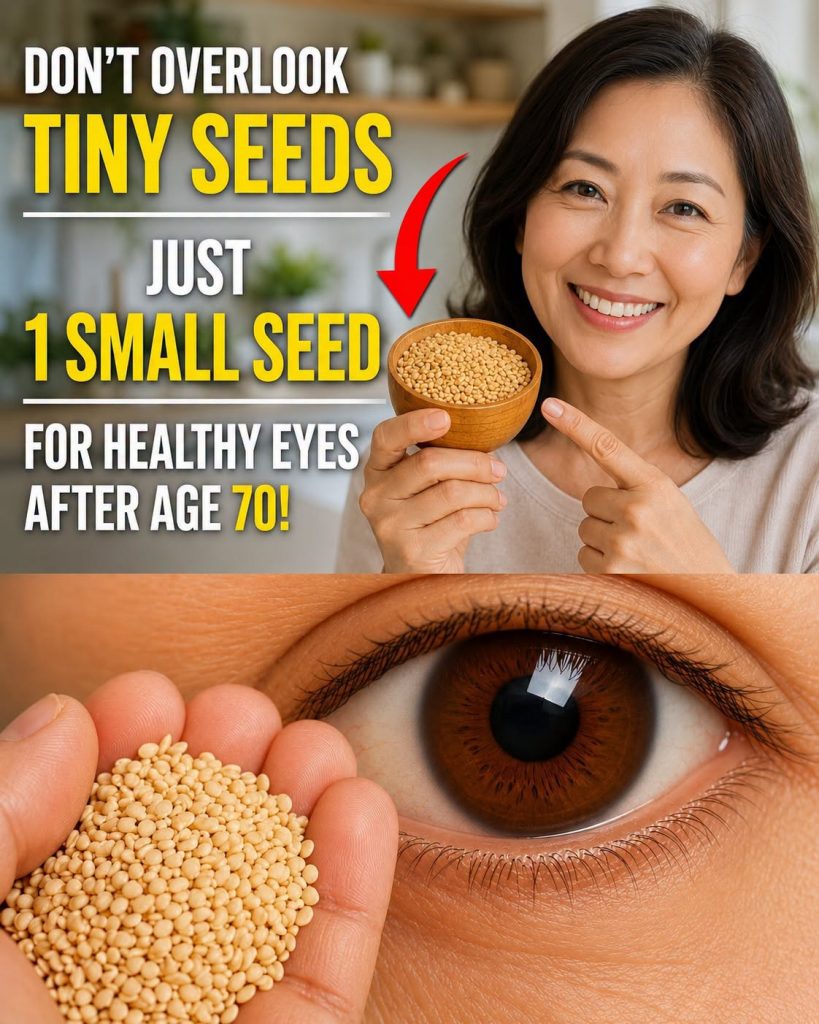
As the years pass, many people notice subtle changes in their eyesight. Reading the newspaper may require brighter light, small text on a phone becomes harder to see, and faces across the room may not appear as sharp as they once did.
Advertisements
These changes are a common part of aging and can affect everyday activities such as reading, driving, sewing, watching television, or enjoying photos of loved ones.
While no single food can stop or reverse age-related vision changes, certain nutrient-rich foods may help support overall eye health as part of a balanced lifestyle. One of the most overlooked options is the humble sesame seed.
Could adding a small handful of sesame seeds to your daily routine be a simple way to support your wellness as you age?
Let’s explore what makes these tiny seeds so interesting.
🌿 Sesame Seeds: A Traditional Food with Impressive Nutrition
Sesame seeds have been enjoyed for thousands of years in cultures around the world. Their mild nutty flavor and impressive nutrient profile have made them a popular ingredient in both sweet and savory dishes.
These small white, golden, or black seeds contain beneficial fats, minerals, antioxidants, and plant compounds that contribute to overall health.
Researchers continue to study sesame seeds because of their naturally occurring antioxidants and nutrients that help protect the body’s cells from oxidative stress, one of the factors associated with aging.
Although sesame seeds are not a treatment for eye diseases, they can be part of a nutrient-rich diet that supports healthy aging.
👁️ Nutrients in Sesame Seeds That May Support Eye Health
| Nutrient | Approximate Amount per 100 g | Potential Role |
|---|---|---|
| Vitamin E | ~25 mg | Antioxidant that helps protect cells from oxidative stress |
| Zinc | ~7–8 mg | Important for many body functions, including normal vision processes |
| Omega-6 Fatty Acids | Naturally present | Supports healthy cell function |
| Sesamin & Sesamolin | Unique sesame lignans | Natural antioxidants studied for their protective properties |
Vitamin E and zinc are nutrients frequently mentioned in nutrition research related to healthy vision and overall eye wellness.
Meanwhile, sesame-specific compounds such as sesamin and sesamolin continue to attract scientific interest because of their antioxidant activity.
🌟 Potential Benefits Commonly Associated with Sesame Consumption
1. May Support Natural Tear Production
Healthy fats found in sesame seeds may contribute to maintaining the eye’s surface and overall comfort.
2. Helps Support Healthy Circulation
Antioxidants play a role in protecting blood vessels and supporting normal circulation throughout the body.
3. Provides Antioxidant Protection
Free radicals can contribute to cellular stress over time. Antioxidants help defend cells from oxidative damage.
4. Supports Retina Wellness
Nutrients such as vitamin E and zinc participate in many biological functions associated with eye health.
5. May Help Reduce Eye Fatigue
As part of a balanced diet, adequate nutrition may contribute to greater visual comfort during daily activities.
6. Supports Healthy Vision as You Age
Consistent intake of essential nutrients helps the body maintain normal functions throughout life.
7. Contributes to Macular Health
Vitamin E is among the nutrients often studied for its role in supporting retinal and macular wellness.
8. Encourages Long-Term Eye Care
Dietary patterns rich in seeds, nuts, fruits, and vegetables are often associated with healthier aging.
9. Helps Maintain Confidence in Daily Activities
When vision feels comfortable, everyday tasks such as reading, crafting, or socializing can become more enjoyable.
🥄 Three Delicious Ways to Enjoy Sesame Seeds
1. Toasted Sesame Topping
Lightly toast sesame seeds and sprinkle them over:
- Oatmeal
- Yogurt
- Fruit bowls
- Salads
- Vegetables
2. Sesame and Honey Snack
Mix crushed sesame seeds with a small amount of honey for a simple homemade treat.
3. Sesame Smoothie
Soak sesame seeds overnight and blend them with:
- Banana
- Plant-based milk
- Cinnamon (optional)
This creates a creamy, nutrient-rich beverage.
📋 Practical Guide for Beginners
| Time of Day | Suggested Amount | How to Use | Note |
| Breakfast | 1 tablespoon (~10 g) | Sprinkle on oatmeal or fruit | Start slowly |
| Snack Time | 1 teaspoon ground sesame | Add to smoothies | Consume with food |
| Evening | 1 teaspoon | Stir into a warm drink | Avoid if allergic |
📅 A Simple 30-Day Sesame Challenge
Week 1
Begin with half a teaspoon daily.
Week 2
Increase to one teaspoon per day.
Week 3
Experiment with different recipes and serving methods.
Week 4
Pay attention to how you feel during everyday activities such as reading, watching television, or using digital devices.
Remember that dietary changes typically work gradually, and results can vary from person to person.
🌟 A Small Habit Worth Considering
Many people assume that vision changes are simply an unavoidable part of aging and that nothing can be done to support eye wellness.
While no food offers guaranteed results, nourishing your body with nutrient-dense foods may help support overall health, including the health of your eyes.
Sesame seeds are inexpensive, widely available, easy to use, and rich in valuable nutrients.
Lightly toasting them until they release a pleasant nutty aroma can enhance both flavor and enjoyment.
💛 Your Eyes Have Served You for a Lifetime
They deserve care, attention, and proper nutrition.
If you know a friend or family member looking for simple ways to support healthy aging, share this information with them.
Sometimes meaningful changes begin with small daily habits practiced consistently over time.
P.S.
Try gently toasting sesame seeds over low heat until they become fragrant and golden. Many people find the flavor far more enjoyable this way, making it easier to include them regularly in meals.
You might be surprised how such a tiny seed can become a valuable part of a healthy lifestyle.
⚠️ Important Disclaimer
This article is for informational and educational purposes only and is not intended to diagnose, treat, cure, or prevent any disease.
Always consult an eye care professional or qualified healthcare provider before making significant dietary changes, especially if you have an existing eye condition, allergies, or take prescription medications.
Individual experiences may vary.