Do your eyes often feel tired after hours of working on a computer, scrolling through your phone, or watching television?
Many people experience occasional eye discomfort, including dryness, redness, or a feeling of heaviness after long periods of screen time. While eye drops and supplements are common choices, one everyday fruit has gained attention for its impressive nutritional profile—guava.
Rich in vitamins, antioxidants, and beneficial plant compounds, guava may help support overall eye health as part of a balanced diet. But what does science actually say? Let’s take a closer look.
👁️ Why Do Eyes Become Red and Tired?
Your eyes work continuously throughout the day. Factors that can contribute to temporary eye fatigue include:
- Prolonged screen time
- Reduced blinking while using digital devices
- Dry indoor air
- Environmental pollution
- Lack of sleep
- General fatigue
These factors may lead to:
- Red eyes
- Dryness
- Temporary blurry vision
- Heavy eyelids
- Eye discomfort or irritation
Over time, oxidative stress caused by everyday environmental exposure may also affect eye tissues.
🍈 Why Guava Is Good for Overall Eye Wellness
Guava is one of the most nutrient-dense tropical fruits available.
It naturally provides:
- ✅ Vitamin A
- ✅ Vitamin C
- ✅ Carotenoids
- ✅ Natural antioxidants
- ✅ Polyphenols
- ✅ Dietary fiber
Together, these nutrients help support the body’s natural defenses against oxidative stress, including in delicate eye tissues.
🥕 1. Vitamin A Supports Normal Vision
Vitamin A is essential for maintaining healthy vision.
It plays an important role in:
- Supporting retinal function
- Helping the eyes adapt to dim light
- Maintaining the surface of the eye
A diet that includes vitamin A-rich foods can help support normal visual function and overall eye health.
🍊 2. Vitamin C Helps Protect Eye Cells
Guava is exceptionally rich in vitamin C—often containing even more than many citrus fruits.
Vitamin C contributes to:
- Antioxidant protection
- Healthy collagen production
- Normal blood vessel function
Collagen is an important structural protein found throughout the body, including tissues surrounding the eyes.
🌿 3. Natural Antioxidants Help Defend Against Oxidative Stress
Guava contains several antioxidant compounds, including carotenoids and polyphenols.
These plant nutrients help neutralize free radicals produced through normal metabolism and environmental exposure.
Researchers continue to study the role of antioxidants in supporting healthy aging, including maintaining eye health over time.
💻 4. May Support Everyday Eye Comfort
Eating a diet rich in colorful fruits and vegetables provides nutrients that help support healthy vision.
Although guava is not a treatment for eye conditions, including antioxidant-rich foods as part of a balanced diet may help support overall eye comfort and wellness.
Combined with healthy daily habits, proper nutrition plays an important role in maintaining healthy eyes.
🌿 What About Guava Leaves?
Guava leaves have been used in traditional wellness practices for generations.
They naturally contain:
- Flavonoids
- Quercetin
- Polyphenols
- Tannins
These compounds have attracted scientific interest because of their antioxidant and anti-inflammatory properties.
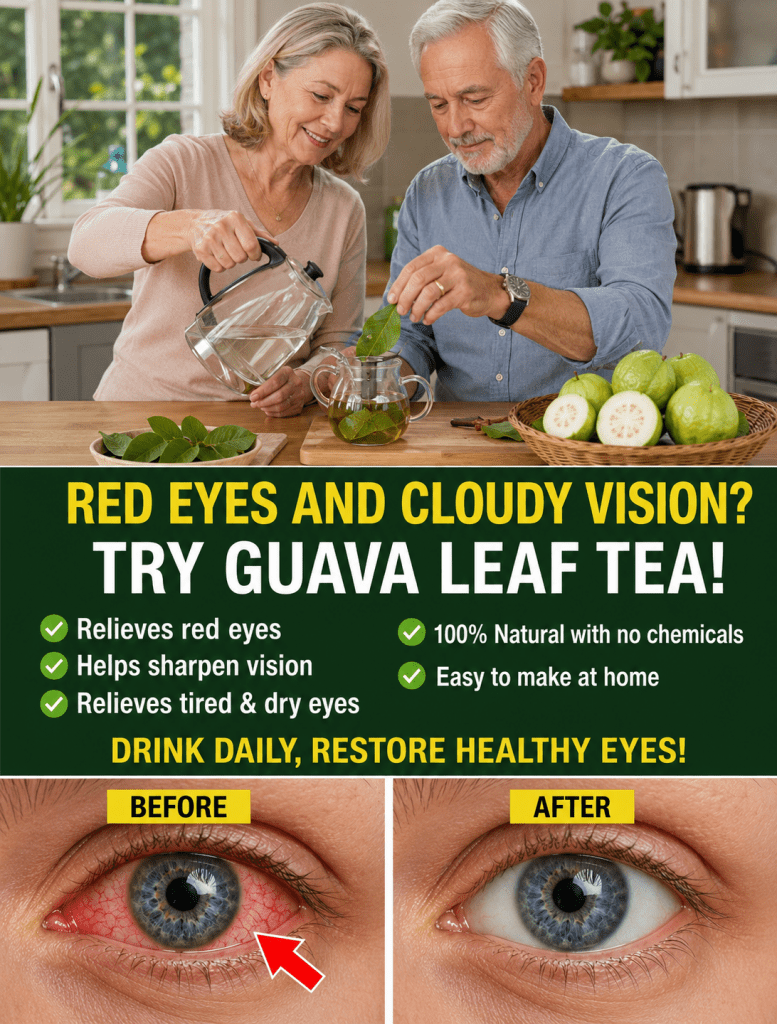
Some people enjoy warm guava leaf tea as a relaxing beverage after a busy day.
However, current scientific evidence does not show that guava leaf tea directly treats eye problems, and more research is needed before any conclusions can be made.
🍽️ Simple Ways to Enjoy Guava
Fresh Guava
Enjoy:
- 1–2 fresh guavas daily
- Eaten whole
- Added to fruit salads
- Blended into smoothies
- Prepared as fresh juice without excessive added sugar
Fresh guava provides the greatest nutritional value.
Guava Leaf Tea
Ingredients
- 8–10 fresh guava leaves
- 2 cups of water
Directions
- Wash the leaves thoroughly.
- Simmer them in water for about 10–15 minutes.
- Strain and allow the tea to cool slightly.
- Enjoy one cup as part of your daily wellness routine.
⚠️ Common Mistakes to Avoid
If you choose to prepare guava leaf tea:
- Avoid boiling the leaves for excessively long periods.
- Don’t add large amounts of sugar.
- Don’t rely on guava as a substitute for professional eye care.
- Don’t ignore persistent eye symptoms.
Healthy eyes require more than a single food.
👓 Healthy Habits That Support Your Eyes
Along with a nutritious diet, eye experts commonly recommend:
- Getting enough quality sleep
- Staying well hydrated
- Following the 20-20-20 rule during screen use (every 20 minutes, look 20 feet away for 20 seconds)
- Using proper lighting while reading or working
- Wearing sunglasses that block UV rays outdoors
- Scheduling routine eye examinations
- Avoiding smoking
These habits work together to support long-term eye health.
🌟 Final Thoughts
Guava is a delicious fruit packed with vitamin A, vitamin C, carotenoids, fiber, and natural antioxidants that help support overall health—including healthy eyes.
While guava cannot cure eye diseases or replace professional medical treatment, it can be a nutritious part of a balanced eating pattern that promotes healthy vision.
The best strategy for protecting your eyesight combines:
✔ A colorful, nutrient-rich diet
✔ Regular breaks from digital screens
✔ Adequate sleep
✔ Good hydration
✔ Routine eye examinations
Small daily choices often have the greatest impact on lifelong eye health—and adding fresh guava to your menu is one simple step worth considering.
Disclaimer: This article is for educational purposes only and is not intended to diagnose, treat, cure, or prevent any disease. If you experience persistent eye redness, pain, vision changes, or ongoing irritation, seek prompt evaluation from a qualified eye care professional.