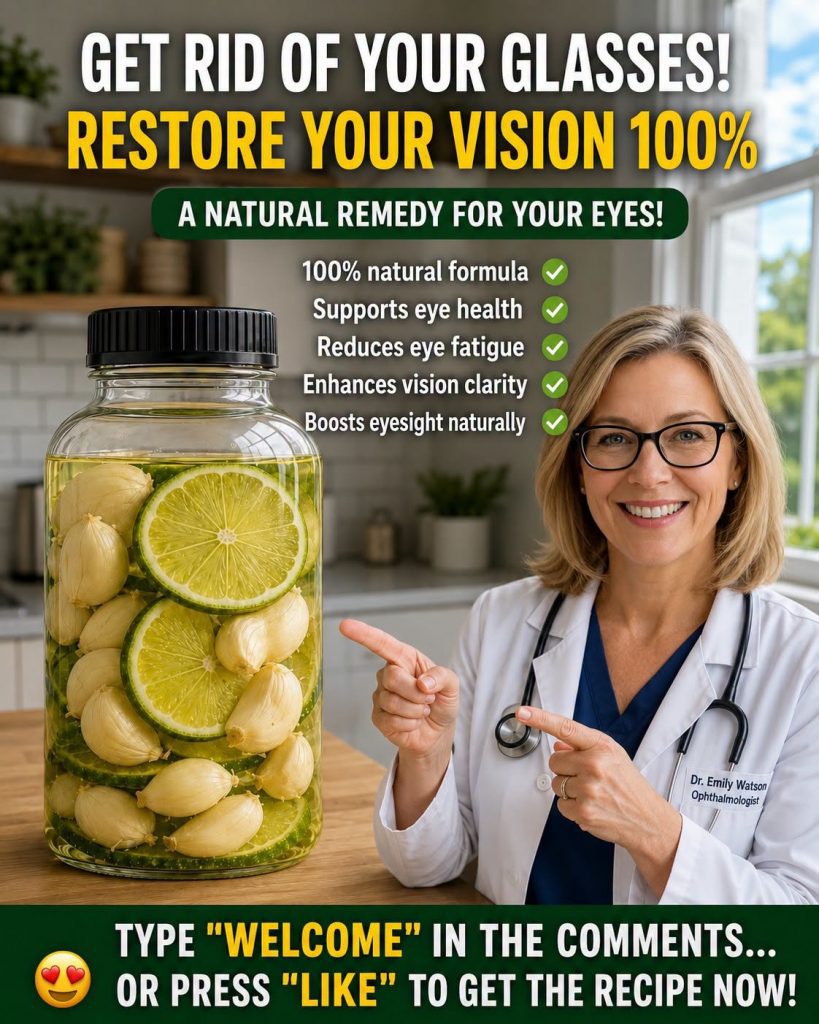
Natural Ways to Support Eye Health in a Digital World
Modern life places a lot of demands on our eyes. Between smartphones, computers, tablets, and television screens, many people spend hours each day focusing on digital devices. As a result, symptoms such as eye fatigue, dryness, blurred vision, and difficulty concentrating have become increasingly common.
While glasses, contact lenses, or medical treatments may be necessary for certain vision conditions, healthy lifestyle habits can play an important role in supporting overall eye wellness and helping your eyes stay comfortable over time.
In this guide, you’ll discover practical, science-backed habits that may help protect your vision naturally through proper nutrition, healthy routines, and simple eye-care practices.
Why Are Vision Problems Becoming More Common?
Today’s lifestyle can place significant stress on the eyes. Extended screen exposure, limited outdoor activity, poor sleep habits, and unbalanced nutrition may all contribute to eye strain and visual discomfort.
Research suggests that healthy daily choices—including nutritious foods, regular physical activity, and proper eye care—can support long-term eye health.
Since eye health is closely connected to overall wellness, improving your lifestyle may benefit both your body and your vision.
1. Eat Foods That Support Eye Health
Nutrition is one of the most important foundations of healthy vision. The eyes rely on vitamins, minerals, antioxidants, and healthy fats to function properly and protect delicate tissues.
Several nutrients have been associated with maintaining eye health, including:
✅ Vitamin A
✅ Vitamin C
✅ Vitamin E
✅ Zinc
✅ Lutein
✅ Zeaxanthin
These nutrients help support normal retinal function and contribute to the body’s natural defenses against oxidative stress.
Best Foods for Healthy Eyes
🥕 Carrots and Sweet Potatoes
Carrots are rich in beta-carotene, which the body converts into vitamin A.
Vitamin A supports:
- Normal vision, especially in low-light conditions
- Healthy eye surfaces
- Proper tear production
🥬 Leafy Green Vegetables
Examples include:
- Spinach
- Kale
- Collard greens
These vegetables contain lutein and zeaxanthin, natural antioxidants that help support the macula and may assist in filtering some blue light.
🐟 Fatty Fish
Such as:
- Salmon
- Tuna
- Sardines
These fish are rich in omega-3 fatty acids, which support retinal health and may help maintain eye comfort.
🥚 Eggs
Egg yolks naturally contain lutein and zeaxanthin in forms that are easily absorbed by the body.
🍊 Citrus Fruits
Including:
- Oranges
- Lemons
- Grapefruit
These fruits provide vitamin C, an antioxidant that supports healthy tissues throughout the body, including the eyes.
Healthy Eating Tip
A balanced diet rich in colorful fruits, vegetables, lean proteins, and healthy fats provides many of the nutrients your eyes need to stay healthy.
2. Reduce Digital Eye Strain
Digital eye strain has become one of the most common vision-related complaints today.
Staring at screens for long periods often reduces blinking frequency, which can contribute to dryness and discomfort.
Follow the 20-20-20 Rule
Eye-care professionals frequently recommend this simple technique:
Every 20 minutes:
👀 Look at something approximately 20 feet (6 meters) away
⏱️ For at least 20 seconds
This habit helps relax focusing muscles and gives your eyes a short break.
Optimize Your Screen Settings
Small adjustments can make a noticeable difference:
✔ Increase text size
✔ Reduce screen brightness when necessary
✔ Use blue-light filters if helpful
✔ Maintain a viewing distance of about 20–28 inches (50–70 cm)
These changes may help reduce visual fatigue during long periods of device use.
3. Practice Simple Eye Exercises
Eye exercises cannot correct nearsightedness or farsightedness, but they may help reduce temporary eye fatigue and improve visual comfort.
Focus Change Exercise
- Hold a pen at arm’s length.
- Focus on the tip.
- Slowly move it toward your nose.
- Keep your eyes focused on the object as long as possible.
Figure-Eight Exercise
Imagine a large figure eight in front of you.
Slowly trace the shape with your eyes for about 30 seconds, then reverse direction.
Many people find this exercise relaxing after prolonged screen use.
4. Protect Your Eyes from UV Exposure
Sunlight contains ultraviolet (UV) rays that can affect eye tissues over time.
To help protect your vision:
🕶️ Wear sunglasses that provide 100% UV protection
🧢 Use a wide-brimmed hat when outdoors
☀️ Avoid looking directly at the sun
Long-term UV exposure has been associated with certain age-related eye conditions, making protection an important part of eye care.
5. Stay Hydrated and Get Enough Sleep
Proper hydration supports normal tear production and overall eye comfort.
Dehydration may contribute to:
- Dry eyes
- Eye irritation
- Temporary blurred vision
Drinking enough water throughout the day helps maintain healthy moisture balance.
Why Sleep Matters
During sleep, the eyes recover from daily strain while the body performs important repair processes.
Consistent, quality sleep supports:
✔ Eye comfort
✔ Focus and concentration
✔ Overall wellness
Aim for 7–9 hours of sleep whenever possible.
6. Stay Physically Active
Regular exercise benefits nearly every system in the body—including the eyes.
Physical activity helps support healthy circulation, which assists in delivering oxygen and nutrients throughout the body.
Potential benefits include:
✔ Supporting retinal health
✔ Promoting healthy blood flow
✔ Contributing to overall wellness
Even simple activities such as walking, cycling, stretching, or swimming can be beneficial.
7. Schedule Regular Eye Exams
Even if your vision seems fine, routine eye examinations remain important.
Eye exams can help detect changes early and monitor overall eye health.
Regular checkups may assist healthcare professionals in identifying potential concerns before symptoms become noticeable.
Discuss the appropriate examination schedule with your eye-care provider based on your age and individual needs.
Final Thoughts
Supporting your eye health doesn’t require complicated routines.
Small daily habits can make a meaningful difference over time:
✅ Eat nutrient-rich foods
✅ Take regular breaks from screens
✅ Stay active
✅ Protect your eyes from sunlight
✅ Stay hydrated
✅ Get quality sleep
✅ Schedule routine eye exams
Your eyes work hard every day. Giving them proper care today may help support comfortable vision and healthy eyes for years to come.
👁️✨ Start with one simple habit today—your future self may thank you for it.