For many adults over 50—especially those who spend long hours looking at digital screens or simply notice age-related changes in their eyesight—morning eye fatigue can become an everyday frustration. Reading small print, driving at night, or enjoying hobbies may feel more challenging than before.
Modern life exposes our eyes to constant demands. Blue light from screens, natural aging, dry indoor air, and less-than-ideal sleep habits can all contribute to eye strain and visual discomfort.
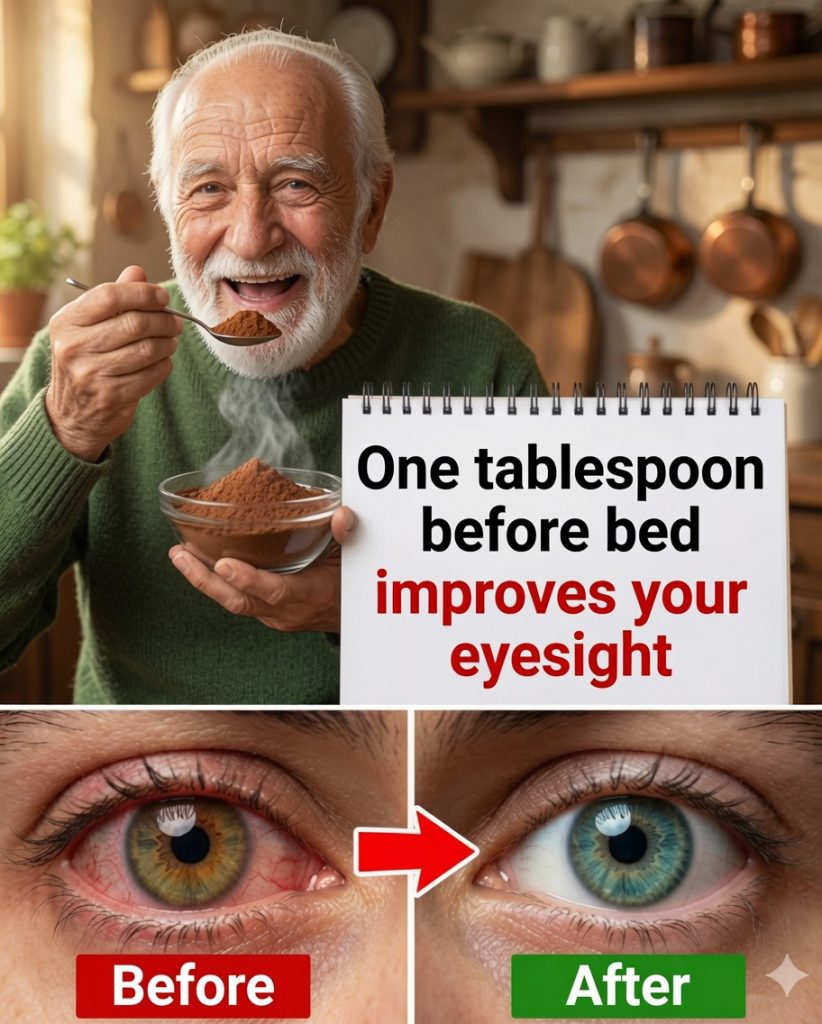
Recently, a simple nighttime habit has gained attention on social media: enjoying a small amount of unsweetened cocoa before bed as part of an eye-friendly wellness routine.
But does it really work? Here’s what current research suggests—and what it doesn’t.
Why Your Eyes Need Support During Sleep
Sleep is more than just a time to rest.
While you sleep, your body performs many important repair and recovery processes, including those that support eye health.
During the night, your body naturally works to:
Maintain healthy blood circulation
Support tear production and eye hydration
Repair and renew tissues
Recover from the day’s visual demands
Healthy nutrition can help provide the nutrients your body needs for these natural processes.
Why Cocoa Has Become So Popular
If you’ve spent time on social media, you’ve probably seen videos recommending:
🍫 One teaspoon of cocoa powder before bedtime
👁️ Claims of clearer vision
✨ Better eye comfort
Although these claims are often exaggerated, cocoa does contain naturally occurring compounds that researchers have studied for their potential effects on circulation and vascular health.
What Does the Science Say?
Pure cocoa is rich in flavanols, a group of plant compounds with antioxidant properties.
Some studies suggest that cocoa flavanols may:
Support healthy blood vessel function
Promote healthy circulation
Improve blood flow in certain tissues
Offer temporary improvements in contrast sensitivity or aspects of visual performance in some individuals
Some small studies have observed short-term improvements in visual function within several hours after consuming cocoa flavanols.
However, results have been mixed, and more research is needed before drawing firm conclusions.
It’s important to remember that cocoa should not be viewed as a treatment for eye disease or vision loss.
How Might Cocoa Support Eye Health?
Healthy blood flow is essential for delivering oxygen and nutrients to every part of the body—including the eyes.
Researchers believe cocoa flavanols may help support:
Healthy circulation to the retina
Normal blood vessel function
Antioxidant protection against oxidative stress
Since oxidative stress is associated with normal aging, eating antioxidant-rich foods may contribute to overall eye wellness as part of a healthy diet.
Nutrients Found in Pure Cocoa
Unsweetened cocoa powder naturally contains:
🍫 Flavanols
🍫 Magnesium
🍫 Polyphenols
🍫 Iron
🍫 Small amounts of fiber
🍫 Theobromine, a naturally occurring compound that provides gentle stimulation
Unlike many chocolate products, pure cocoa contains very little sugar when consumed without added sweeteners.
Comparing Different Types of Cocoa
Type
Flavanol Content
Suitable Before Bed?
Notes
Raw cocoa powder
Very high
Often suitable in small amounts
Minimally processed
Unsweetened natural cocoa
High
Yes
Widely available
Dutch-processed cocoa
Lower
Yes
Milder flavor but fewer flavanols
Dark chocolate
Moderate
Sometimes
May contain added sugar and more calories
Choosing unsweetened natural cocoa is generally the best option if your goal is to maximize beneficial plant compounds.
How to Try This Evening Routine
If you’d like to include cocoa in your evening routine, keep it simple.
Ingredients
1 teaspoon (about 2.5–5 grams) unsweetened cocoa powder
Warm water or unsweetened plant-based milk
Optional: a pinch of cinnamon
Directions
Warm your preferred liquid.
Stir in the cocoa powder until smooth.
Add cinnamon if desired.
Enjoy it about 45–90 minutes before bedtime.
Try reducing screen time afterward to support healthy sleep.
Consistency is generally more important than quantity.
Simple Habits That Can Better Support Eye Health
No single food can protect your vision on its own.
For long-term eye wellness, experts recommend combining good nutrition with healthy lifestyle habits.
Consider:
🥬 Eating leafy green vegetables
🫐 Including berries and colorful fruits
🐟 Enjoying omega-3-rich fish
🥕 Eating orange vegetables rich in beta-carotene
💧 Staying hydrated
😴 Getting enough sleep
🕶️ Protecting your eyes from excessive UV exposure
📱 Taking regular breaks from digital screens using the 20-20-20 rule
👁️ Scheduling routine comprehensive eye examinations
These habits have stronger evidence for supporting long-term eye health than relying on a single food or supplement.
What Results Can You Realistically Expect?
Some people enjoy cocoa as part of their evening routine because it may help:
✔ Increase antioxidant intake
✔ Support healthy circulation
✔ Contribute to overall vascular health
✔ Promote a relaxing bedtime ritual
However, cocoa is not a miracle solution, and it cannot reverse age-related vision changes or replace appropriate eye care.
Healthy vision depends on many factors, including genetics, nutrition, lifestyle, and regular medical checkups.
Frequently Asked Questions
Which type of cocoa is best?
Choose pure, unsweetened cocoa powder or minimally processed raw cocoa whenever possible.
Is it safe to enjoy cocoa every day?
For most healthy adults, small amounts of unsweetened cocoa can be part of a balanced diet. If you have specific medical conditions or are sensitive to caffeine-like compounds, consult your healthcare provider.
When might I notice benefits?
Some studies have observed short-term changes in certain aspects of visual performance within a few hours, while the broader benefits of a healthy diet develop gradually over weeks and months. Individual responses vary.
Can cocoa improve eyesight permanently?
There is currently no strong scientific evidence that cocoa alone can permanently improve vision or reverse age-related eye conditions.
Final Thoughts
The growing interest in cocoa before bed reflects something many people are searching for: simple, natural ways to support healthy aging.
Pure cocoa is rich in flavanols and antioxidants that have been studied for their potential role in supporting healthy circulation, including blood flow that may benefit eye function. While early findings are encouraging, cocoa should be viewed as one small part of an overall healthy lifestyle, not as a cure for vision problems.
Pair a small evening serving of unsweetened cocoa with nutritious meals, quality sleep, regular physical activity, and routine eye examinations to give your eyes the best long-term support possible.
SEO Keywords
eye health after 60, cocoa for eye health, unsweetened cocoa benefits, flavanols and vision, healthy nighttime routine, foods for healthy eyes, antioxidants for eye health, cocoa before bed, natural eye wellness, healthy aging tips.