Meta Description:
Discover the traditional uses of papaya latex, its naturally occurring papain enzyme, and how it may support skin care and digestion when used safely. Learn practical tips, precautions, and a simple DIY skin care recipe.
Papaya Latex: Nature’s Forgotten Secret
Papaya is one of the world’s favorite tropical fruits. Its naturally sweet flavor, refreshing texture, and impressive nutritional profile have earned it a place in kitchens across many cultures.
Yet beyond the juicy orange flesh lies a lesser-known part of the plant that has been valued in traditional practices for generations—the milky white latex found in unripe papaya.
This natural sap contains unique plant enzymes, especially papain, which has attracted attention in food processing, cosmetics, and scientific research. While papaya latex is not a miracle solution or medical treatment, its traditional uses continue to inspire curiosity for those interested in natural wellness.
Let’s explore what makes papaya latex so unique and how it has been traditionally used.
🌿 What Is Papaya Latex?
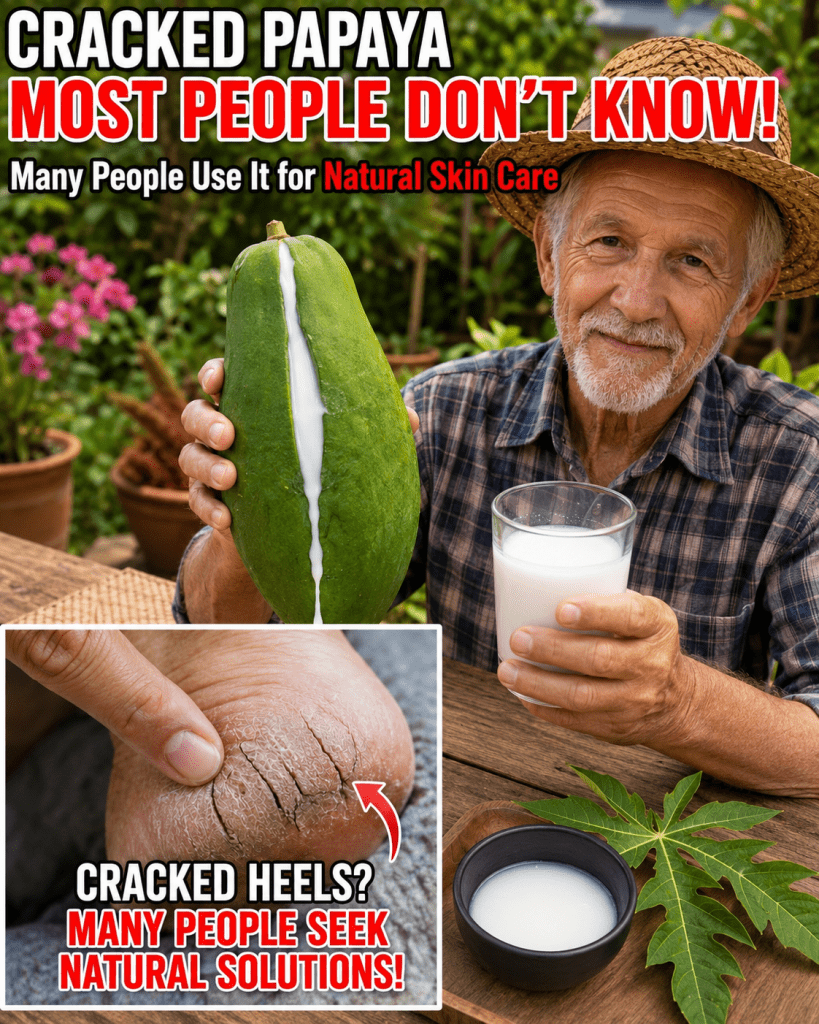
Papaya latex is the milky white sap released when an unripe papaya, its leaves, or stem is cut.
This natural latex contains several plant compounds, including:
- Papain
- Chymopapain
- Natural enzymes
- Plant proteins
- Various antioxidant compounds
Among these, papain is the best known because of its remarkable ability to break down proteins naturally.
Today, papain is widely used in:
- Food processing
- Meat tenderizers
- Cosmetic formulations
- Certain pharmaceutical and laboratory applications
Its enzyme activity explains why papaya has been appreciated in both culinary and traditional wellness practices for centuries.
💚 Traditional Benefits of Papaya Latex
Although research is still evolving, papaya latex has long been used in traditional skin care and wellness routines.
1. May Help Support Smoother-Looking Skin
Papain naturally exfoliates the outer layer of dead skin cells.
Because of this property, diluted papaya latex has traditionally been used to help:
- Soften rough skin
- Improve the appearance of dry areas
- Promote smoother skin texture
- Refresh dull-looking skin
Many homemade skin care recipes include papaya extracts for this reason.
2. Supports Protein Digestion
Papain is widely recognized for its protein-digesting activity.
For this reason, papaya is often enjoyed after larger meals as part of a balanced diet.
The enzyme may help support:
- Comfortable digestion
- Efficient protein breakdown
- Reduced feelings of fullness after protein-rich meals
- Better nutrient utilization as part of normal digestion
3. Traditionally Used as a Natural Skin Cleanser
In many cultures, diluted papaya latex has been applied externally to help cleanse and refresh the skin.
People have traditionally used it to:
- Remove surface impurities
- Refresh rough areas
- Support the skin’s natural renewal process
Because papaya latex is potent, it should always be diluted before topical use.
4. May Help Soften Thick or Dry Skin
Dry, thickened skin—especially on the heels and elbows—is a common concern.
Traditional practices have used diluted papaya latex to gradually soften hardened skin areas, including:
- Dry heels
- Rough elbows
- Thick callused skin
- Areas prone to cracking
Its natural enzyme activity may gently assist the skin’s normal exfoliation process.
5. A Long History in Traditional Wellness
Papaya has been used throughout tropical regions for hundreds of years.
Traditional communities have incorporated various parts of the papaya plant—including the fruit, leaves, seeds, and latex—into everyday wellness practices.
While modern science continues to investigate many of these traditional uses, papaya remains one of the world’s most respected medicinal plants in traditional herbal systems.
🧴 How to Use Papaya Latex Safely
If you choose to experiment with papaya latex for topical use, follow these precautions carefully.
✔️ Use only a very small amount.
✔️ Always dilute it with a carrier oil or water.
✔️ Perform a patch test before applying it more broadly.
✔️ Avoid contact with the eyes, lips, and other sensitive areas.
✔️ Wash thoroughly if irritation develops.
🥥 Simple Traditional Skin Care Blend
Ingredients
- 2–3 drops of fresh papaya latex
- 1 teaspoon coconut oil
Directions
- Combine the papaya latex with the coconut oil.
- Mix until evenly blended.
- Apply gently to rough, dry skin.
- Leave on for approximately 10–15 minutes.
- Rinse with lukewarm water.
- Moisturize afterward if desired.
Traditionally, this routine is used 2–3 times per week on dry skin areas.
🌱 Additional Ways Papaya Supports Wellness
While the latex receives less attention, the papaya plant itself offers many nutritional benefits.
The fruit naturally provides:
- Vitamin C
- Vitamin A
- Folate
- Potassium
- Dietary fiber
- Antioxidants
Including ripe papaya as part of a balanced diet may help support overall wellness, digestive health, and healthy nutrition.
⚠️ Important Safety Considerations
Papaya latex is a powerful natural substance and is not suitable for everyone.
Avoid using it if you:
- Have very sensitive skin
- Have a known latex or papaya allergy
- Have open wounds or damaged skin
- Are pregnant, unless advised by a qualified healthcare professional
Stop use immediately if irritation, redness, or discomfort occurs.
Natural does not always mean gentle, so responsible use is essential.
Frequently Asked Questions
Can papaya latex cure cracked heels?
No. Papaya latex is not a medical treatment. Traditionally, diluted papaya latex has been used to help soften rough or dry skin, but results vary between individuals.
Is papaya latex safe to eat?
Fresh papaya latex should not be consumed unless specifically prepared for an approved food or medicinal purpose. The concentrated sap can be irritating.
Why does unripe papaya release white sap?
The sap is the plant’s natural latex, rich in enzymes such as papain that help protect the fruit and contribute to its biological processes.
Can I apply fresh papaya latex directly to my skin?
Direct application is generally not recommended because the latex may irritate the skin. Dilution and patch testing are important safety measures.
Final Thoughts
Most people enjoy papaya for its sweet, nutritious fruit, yet the plant’s milky latex has a long history in traditional wellness practices.
From its naturally occurring papain enzyme to its traditional role in skin care and digestive support, papaya latex demonstrates how one plant can offer many different uses beyond the fruit itself.
Although modern research continues to explore its potential, papaya latex should always be used thoughtfully, safely, and as part of a balanced approach to personal wellness—not as a substitute for professional medical care.
🌿 Sometimes nature’s most fascinating discoveries are hidden in the parts we rarely notice.