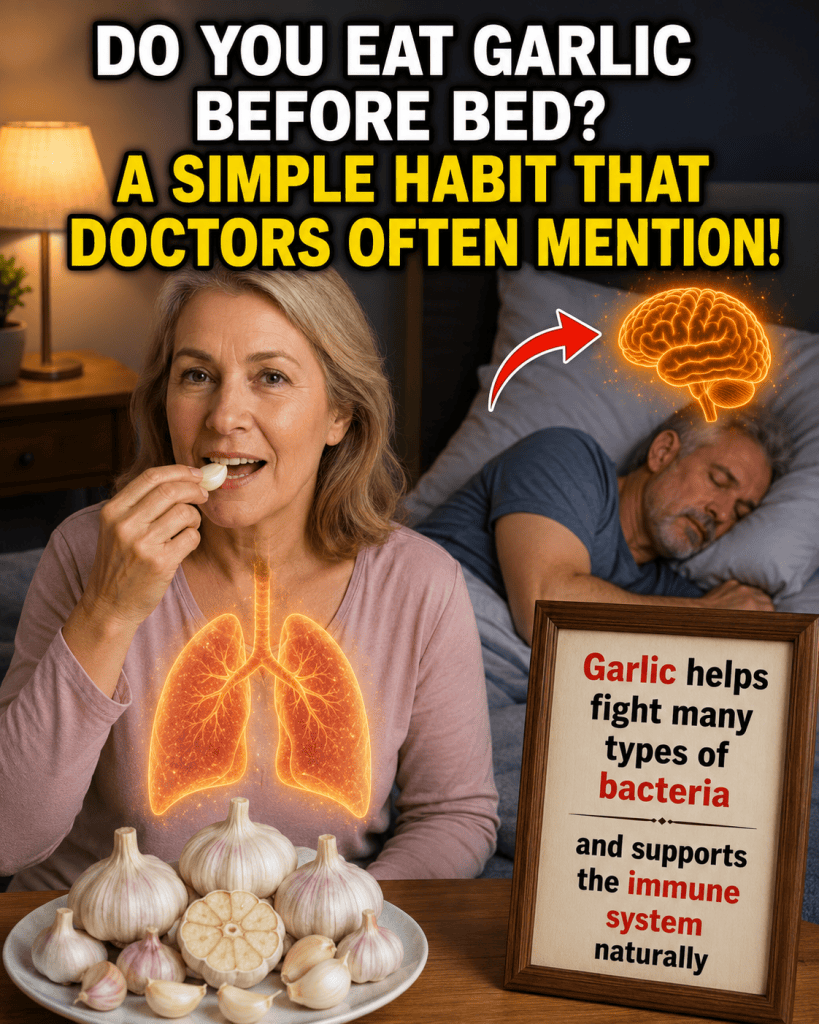
Garlic has been treasured for centuries—not only as a flavorful ingredient but also as one of the world’s most respected traditional foods for supporting overall health. You may have come across the popular claim that garlic can “kill 14 types of bacteria and fight 13 infections.” But how much of that statement is supported by science?
The short answer: garlic does contain powerful natural compounds that have shown antimicrobial activity in laboratory studies, but the popular claim oversimplifies the research.
Let’s separate fact from fiction and explore how garlic may genuinely support your health.
🧄 Why Is Garlic So Popular for Everyday Wellness?
As we age, the immune system naturally changes, making healthy lifestyle habits increasingly important.
Many adults experience challenges such as:
- Frequent seasonal illnesses
- Slower recovery after common infections
- Digestive discomfort
- Everyday fatigue
Rather than looking for miracle cures, many people choose to include nutrient-rich foods like garlic as part of a balanced diet that supports overall wellness.
Garlic has been used in traditional cuisines and herbal practices across many cultures for thousands of years.
🔬 Where Did the “14 Bacteria and 13 Infections” Claim Come From?
The claim is believed to originate from laboratory research examining garlic extracts and garlic oil.
Studies have shown that certain garlic compounds demonstrate activity against a variety of microorganisms under laboratory conditions, including:
- Some harmful bacteria
- Certain fungi
- Selected viruses in early research models
However, there’s an important distinction.
👉 Laboratory studies do not mean garlic will eliminate specific bacteria or cure infections inside the human body.
Instead, the research suggests that garlic contains natural compounds with broad biological activity that scientists continue to study.
Understanding this difference helps set realistic expectations.
✨ Allicin: Garlic’s Most Studied Natural Compound
When garlic is chopped, crushed, or minced, it produces a sulfur-containing compound called allicin.
Allicin has attracted scientific attention because laboratory studies suggest it may:
- Interfere with the activity of certain bacterial enzymes
- Slow the growth of some microorganisms
- Show activity against selected antibiotic-resistant bacteria under experimental conditions
Because of these properties, garlic is widely appreciated as a nutritious food that may support the body’s natural defenses.
💡 For the highest allicin formation, many experts recommend letting crushed garlic rest for about 10 minutes before eating or cooking.
💪 15 Research-Supported Ways Garlic May Support Health
🟢 Everyday Wellness
1. Supports the body’s natural immune defenses
Garlic contains plant compounds that contribute to a healthy immune response.
2. Provides natural antioxidants
Antioxidants help protect cells from oxidative stress caused by everyday environmental factors.
3. Supports a balanced gut microbiome
Garlic contains prebiotic compounds that help nourish beneficial intestinal bacteria.
4. Helps support normal inflammatory balance
Some studies suggest garlic may help support healthy inflammatory responses already within normal ranges.
🟡 Additional Areas Being Studied
5. Shows laboratory activity against certain bacteria
Researchers continue investigating garlic’s antimicrobial properties.
6. May interfere with bacterial biofilms in laboratory settings
Biofilms can help some bacteria survive, and garlic compounds are being studied for their effects in this area.
7. Demonstrates antifungal activity in experimental research
Certain garlic compounds have shown promising laboratory findings.
8. Shows antiviral activity in preliminary studies
Early research continues to explore garlic’s interaction with selected viruses.
🔵 Whole-Body Wellness
9. Supports heart health
Garlic is often included in heart-friendly dietary patterns.
10. Contributes to healthy circulation
Some research suggests garlic may support normal blood vessel function.
11. Supports oral health
Garlic’s natural compounds have been studied for their effects on oral microorganisms.
12. Supports healthy skin
A nutrient-rich diet that includes garlic contributes to overall skin wellness.
🔴 Long-Term Wellness
13. Rich in beneficial plant compounds
Garlic naturally contains sulfur compounds and antioxidants.
14. Supports the body’s response to everyday stress
Its antioxidant content may contribute to overall resilience.
15. Complements an active, healthy lifestyle
When combined with balanced nutrition, exercise, and good sleep, garlic can be part of long-term wellness habits.
🧑⚕️ What Do People Commonly Report?
Some individuals who regularly include garlic in their diets report experiencing:
- Better digestive comfort
- Feeling more energetic
- Fewer common seasonal illnesses
- Improved overall well-being
These experiences are personal and can vary considerably.
Lifestyle, diet, sleep, exercise, and underlying health conditions all play important roles.
⚖️ Garlic Compared with Other Wellness Approaches
| Feature | Garlic | Antibiotics | Probiotics |
|---|---|---|---|
| Primary role | Nutritious food | Prescription medicine | Supports gut bacteria |
| Availability | Very high | Requires medical guidance | Widely available |
| Daily use | Common in cooking | Only when prescribed | Often used as supplements or fermented foods |
| Supports overall wellness | Yes | No (designed for specific infections) | Supports digestive health |
Garlic should be viewed as a healthy food—not a replacement for prescribed medical treatment.
🕒 How to Enjoy Garlic for Maximum Flavor and Nutrition
Many people include garlic by:
✔ Crushing one or two cloves.
✔ Letting it rest for about 10 minutes.
✔ Adding it to salads.
✔ Mixing it into dressings.
✔ Stirring it into soups after cooking.
✔ Combining it with honey for a traditional homemade mixture.
Avoid prolonged high-heat cooking if you want to preserve more allicin, as heat can reduce its formation.
⏳ What Can You Expect?
Everyone responds differently, but when garlic becomes part of an overall healthy lifestyle, many people simply enjoy:
Week 1–2
- A flavorful addition to meals
- Increased vegetable-rich eating habits
Week 3–4
- Greater consistency in healthy routines
- Better dietary variety
Over Time
- Long-term nutritional support as part of a balanced diet
Healthy habits produce the greatest benefits through consistency—not quick fixes.
🌿 Simple Tips for Getting the Most from Garlic
- Choose fresh garlic whenever possible.
- Crush rather than slice for greater allicin formation.
- Pair garlic with vegetables, whole grains, legumes, and healthy fats.
- Add black pepper and herbs for extra flavor.
- Include garlic regularly instead of consuming very large amounts occasionally.
⚠️ Important Precautions
Although garlic is safe for most people as a food, there are situations where extra care is appropriate.
Speak with your healthcare provider before significantly increasing garlic intake if you:
- Take blood-thinning medications
- Have upcoming surgery
- Experience stomach ulcers or severe digestive sensitivity
- Have chronic medical conditions requiring specialized nutrition
Garlic may also cause heartburn or digestive discomfort in some individuals.
Final Thoughts
So, does garlic really kill 14 types of bacteria and 13 infections?
Not in the literal way that many social media posts suggest.
What scientific research does show is that garlic contains natural compounds—especially allicin—that demonstrate antimicrobial activity in laboratory studies and may support the body’s natural defenses as part of a healthy diet.
Rather than viewing garlic as a cure, think of it as one nutritious ingredient that contributes to a balanced lifestyle alongside wholesome foods, regular exercise, quality sleep, and good hydration.
🧄🌿 Sometimes the simplest daily habits—like adding fresh garlic to your meals—can become part of a long-term approach to supporting overall health and wellness.
Health Note: This article is for educational purposes only and is not intended to diagnose, treat, cure, or prevent any disease. Garlic should not replace prescribed medications or professional medical care. If you have persistent symptoms, chronic health conditions, or take prescription medications, consult a qualified healthcare professional before making significant dietary changes.