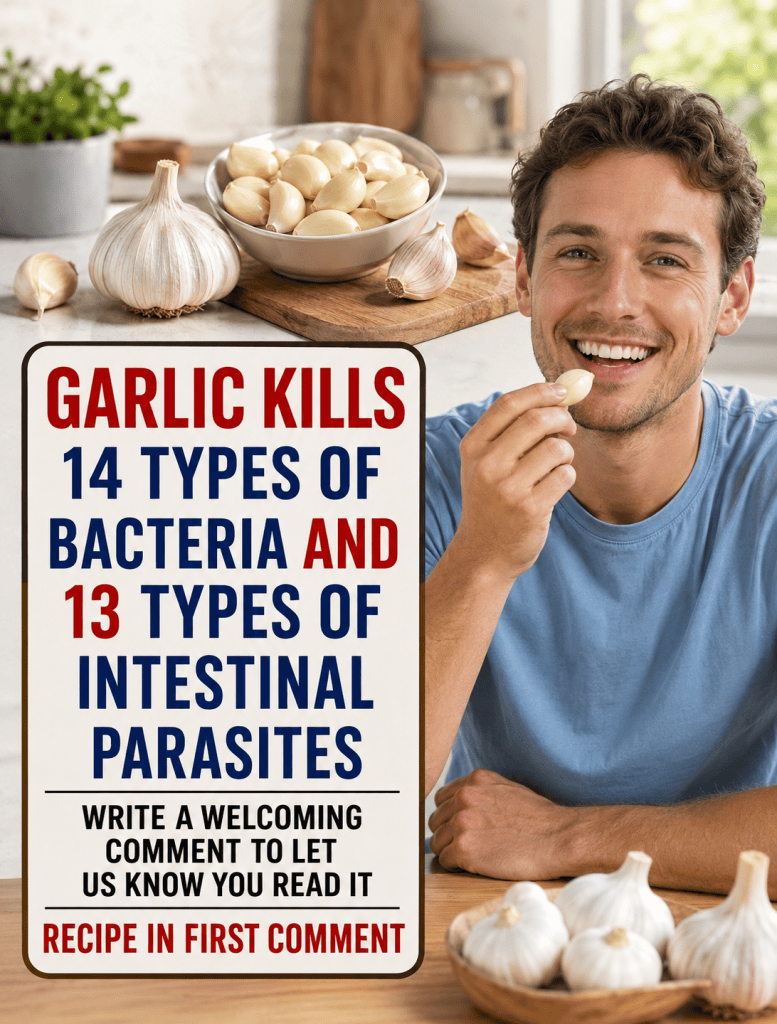
Discover Why Garlic Has Earned a Place in Healthy Eating for Thousands of Years
For thousands of years, garlic has been treasured in kitchens and traditional cultures around the world. Known for its unmistakable aroma, bold flavor, and incredible versatility, garlic remains one of the most widely used ingredients in everyday cooking.
Today, garlic is also gaining attention for another reason—its naturally occurring plant compounds. Scientists continue to study these compounds to better understand how they may support overall wellness as part of a healthy lifestyle.
While garlic is not a cure for disease and should never replace medical treatment, it is a nutrient-rich food that can make a valuable addition to a balanced diet.
🌿 Why Has Garlic Been Valued for Centuries?
Garlic (Allium sativum) belongs to the same botanical family as onions, leeks, and chives.
Historical records show that ancient civilizations—including Egypt, Greece, Rome, China, and India—used garlic both as a flavorful food and as part of traditional wellness practices.
Its lasting popularity comes largely from its naturally occurring sulfur compounds, which are released when garlic is chopped, crushed, or chewed.
Among these compounds, allicin is the most widely studied.
🧄 Nutrients That Make Garlic a Nutritional Powerhouse
Garlic provides a variety of essential nutrients, including:
- Vitamin C
- Vitamin B6
- Manganese
- Selenium
- Calcium
- Potassium
- Phosphorus
- Naturally occurring sulfur compounds
These nutrients contribute to many normal body functions while adding very few calories, making garlic an easy ingredient to include in many healthy meals.
🔬 Allicin: Garlic’s Most Studied Natural Compound
When fresh garlic is crushed or finely chopped, a natural chemical reaction forms allicin.
Allicin is responsible for much of garlic’s distinctive aroma and has become one of the primary subjects of scientific research.
Laboratory studies have explored how allicin interacts with various biological processes and microorganisms. Although research continues, these studies have helped establish garlic as one of the most interesting functional foods found in nature.
🦠 Why Is Garlic Sometimes Called a “Natural Antibiotic”?
One of the most common topics surrounding garlic is its activity in laboratory research.
Some studies have shown that certain garlic compounds can influence the growth of specific bacteria, fungi, and other microorganisms under controlled laboratory conditions.
However, it’s important to understand that laboratory findings do not mean eating garlic can treat infections or replace prescription medications.
Health professionals generally agree that garlic can be part of a healthy diet, but it should never substitute professional medical care when treatment is needed.
✨ Potential Benefits of Including Garlic in Your Diet
🛡️ 1. Supports Normal Immune Function
Researchers have explored how garlic’s natural compounds may help support the body’s normal immune responses as part of a healthy lifestyle.
🌿 2. A Natural Source of Antioxidants
Garlic contains antioxidant compounds that help protect cells from oxidative stress caused by free radicals.
Antioxidants play an important role in supporting overall wellness and healthy aging.
❤️ 3. A Nutritious Addition to Balanced Meals
Garlic adds both nutrition and flavor to everyday recipes.
Its combination of vitamins, minerals, and plant compounds makes it a valuable ingredient in many healthy eating patterns.
🍽️ 4. Incredibly Versatile in the Kitchen
Few foods are as adaptable as garlic.
It can be enjoyed raw, roasted, sautéed, baked, or blended into sauces and dressings, making healthy meals more flavorful without adding excessive calories.
🍽️ Delicious Ways to Enjoy Garlic
Fresh Garlic
Fresh garlic is the most commonly used form and typically contains the highest levels of naturally active compounds.
Roasted Garlic
Slow roasting creates a creamy texture and a mild, slightly sweet flavor that’s perfect for spreads and vegetables.
Warm Garlic Drinks
Some people enjoy warm beverages made with garlic, lemon, and ginger as part of their personal wellness routine.
These drinks are appreciated for their comforting flavor, although they should not be viewed as medical treatments.
Homemade Sauces and Dressings
Fresh garlic adds depth to:
- Olive oil dressings
- Yogurt sauces
- Herb marinades
- Homemade vinaigrettes
Soups and Stews
Garlic enhances the flavor of:
- Vegetable soup
- Chicken soup
- Lentil stew
- Tomato-based dishes
🍋 Simple Garlic and Lemon Drink
This traditional recipe is popular among those who enjoy natural wellness beverages.
Ingredients
- 2 fresh garlic cloves
- Juice of 1 lemon
- 1 cup of lukewarm water
Instructions
- Crush the garlic cloves.
- Let them rest for about 10 minutes to allow natural compounds to develop.
- Add the lemon juice.
- Pour in the lukewarm water.
- Stir well before drinking.
Many people choose to include this beverage as part of their overall healthy lifestyle.
⚠️ Common Mistakes to Avoid
Eating Excessive Amounts
More isn’t always better. Moderate consumption is generally the best approach.
Replacing Medical Treatment
Garlic should complement a healthy diet—not replace medications or professional healthcare.
Ignoring Digestive Sensitivity
Some people may experience stomach discomfort after consuming large amounts of raw garlic.
If this happens, consider cooked garlic or smaller portions.
Believing Exaggerated Claims
No single food can prevent or cure every illness.
Garlic is nutritious, but realistic expectations are essential.
🍳 More Delicious Ways to Cook with Garlic
Garlic works beautifully in many recipes, including:
- Roasted vegetables
- Garlic herb chicken
- Grilled fish
- Homemade pasta sauces
- Garlic mashed potatoes
- Traditional garlic bread
- Fresh salads
- Stir-fried vegetables
- Rice dishes
- Mediterranean-inspired recipes
Its rich flavor makes it easy to create satisfying meals while encouraging greater variety in your diet.
🥗 The Importance of a Balanced Perspective
The internet is filled with impressive claims about natural foods.
Although garlic contains fascinating compounds and has a long history of traditional use, good health depends on many daily habits—not one ingredient alone.
Experts generally recommend focusing on:
- A varied, balanced diet
- Regular physical activity
- Quality sleep
- Adequate hydration
- Stress management
- Routine medical checkups
Together, these healthy habits have a much greater impact than any single food.
🌱 Easy Ways to Add More Garlic to Your Daily Routine
Simple ideas include:
- Mixing fresh garlic into salads
- Adding it to homemade marinades
- Stirring it into soups and stews
- Preparing healthy sauces
- Cooking it with sautéed vegetables
- Blending it with olive oil for flavorful dressings
- Spreading roasted garlic on whole-grain toast
Small everyday choices can gradually make your meals more nutritious and flavorful.
✅ Final Thoughts
Garlic continues to be one of the world’s most respected and extensively researched natural foods.
Its unique combination of nutrients, naturally occurring sulfur compounds, and culinary versatility explains why it has remained popular for thousands of years.
Although no food offers a magical solution for every health concern, including garlic as part of a balanced diet can add both flavor and valuable nutrition while supporting an overall healthy lifestyle.
True wellness comes from consistent healthy habits, thoughtful food choices, regular exercise, adequate rest, and professional medical care when needed.
Frequently Asked Questions
Is raw garlic healthier than cooked garlic?
Fresh garlic retains more of its naturally occurring allicin. However, cooked garlic still provides valuable nutrients and can be an excellent part of a healthy diet.
How much garlic is reasonable to eat?
Moderate amounts used in regular meals are suitable for most people. Individual tolerance varies, so adjust according to your digestive comfort.
Can garlic replace antibiotics?
No. Garlic should never replace antibiotics or any medication prescribed by a healthcare professional.
Is garlic safe for everyone?
Most people can enjoy garlic as part of a balanced diet. However, individuals with garlic allergies, certain digestive conditions, or those taking blood-thinning medications should consult a healthcare professional before significantly increasing their intake.
Important Disclaimer
This article is intended for educational purposes only and should not be considered medical advice. Garlic is a nutritious food but is not a substitute for professional diagnosis, treatment, or prescribed medication. If you have a medical condition, take prescription medications, or have concerns about your health, consult a qualified healthcare professional before making significant dietary changes.
