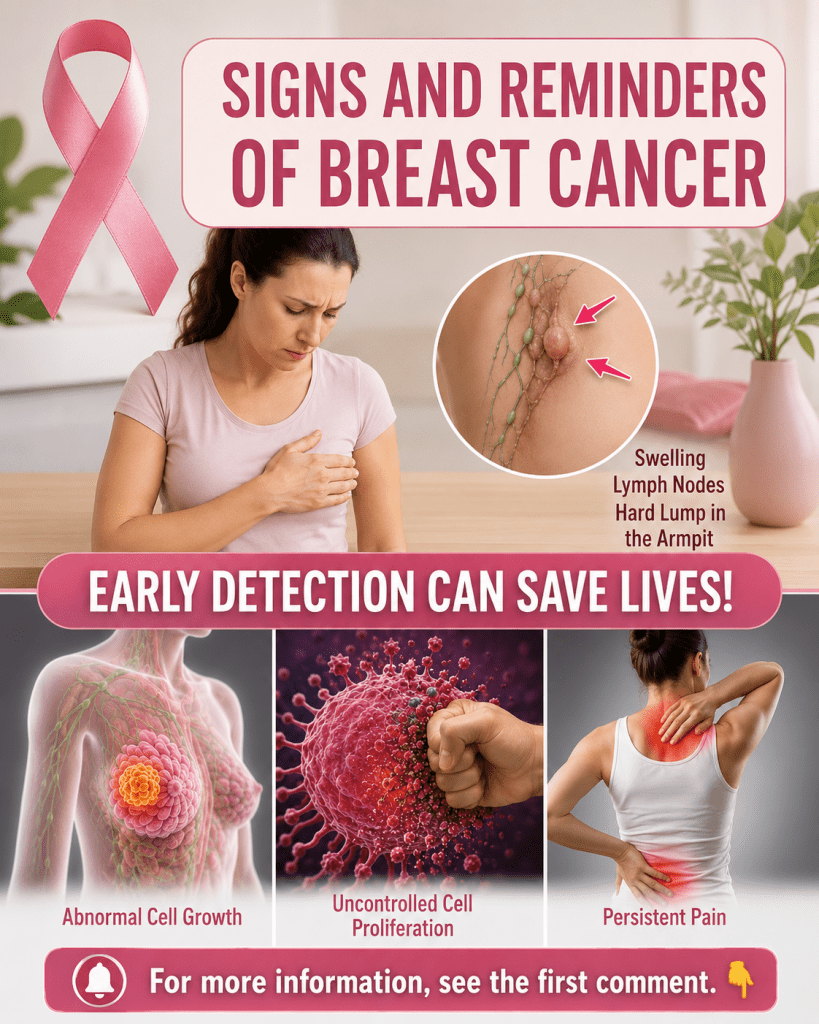
Pay Attention to Breast Changes: Early Signs That Deserve Attention
Many people notice small changes in their breasts and assume they are caused by hormonal fluctuations, stress, aging, or temporary irritation. Because daily life can be busy, it is easy to put these changes aside and expect them to disappear on their own.
However, some breast changes may require medical evaluation. Being aware of your body and recognizing unusual symptoms can help support earlier diagnosis and treatment when needed.
Breast cancer remains one of the most common cancers worldwide, but advances in screening and treatment have greatly improved outcomes. Awareness, regular checkups, and timely medical advice play important roles in maintaining breast health.
Why Early Detection Matters
Breast cancer often begins in the milk ducts or lobules and may not cause obvious symptoms during its earliest stages.
According to major cancer organizations, when breast cancer is detected early and remains localized, treatment is often more effective and outcomes are generally more favorable. This is why routine screenings and paying attention to physical changes are so important.
Knowing what to watch for does not mean assuming the worst—it means being informed and proactive about your health.
10 Warning Signs That May Require Medical Evaluation
10. Unexplained Changes in Breast Size or Shape
A noticeable change in the size, contour, or appearance of one breast that cannot be explained by pregnancy, weight changes, or hormonal fluctuations should be monitored.
Things to Notice:
- Change affecting only one breast
- Persistent alteration lasting several weeks
- Feeling of unusual heaviness or firmness
- Changes unrelated to the menstrual cycle
Helpful Tip:
Consider becoming familiar with your normal breast appearance so that changes are easier to recognize over time.
9. Dimpling or Changes in Skin Texture
Breast skin that appears puckered, thickened, or resembles the texture of an orange peel may warrant medical attention.
These changes can sometimes occur when underlying tissues affect the skin’s surface appearance.
Self-Observation Tips:
- Look in a mirror with arms relaxed.
- Raise your arms overhead.
- Place your hands on your hips and gently tighten chest muscles.
- Check for any new dimpling or skin changes.
8. Persistent Itching, Redness, or Irritation
Occasional skin irritation is common, but redness, warmth, swelling, or itching that persists for weeks should not be ignored.
If symptoms do not improve or continue to worsen, consulting a healthcare professional is recommended.
7. A Hard Lump or Thickened Area
A new lump is one of the most recognized breast cancer warning signs, although many breast lumps are noncancerous.
Characteristics that deserve evaluation include:
- Hard texture
- Irregular shape
- Limited movement under the skin
- Persistence over time
Not all cancer-related lumps cause pain.
6. Persistent Breast or Nipple Pain
Most breast discomfort is not related to cancer. However, pain that remains in one specific area and does not seem connected to menstrual cycles or injury should be discussed with a healthcare provider.
5. Unexplained Swelling of the Breast or Underarm
Breast cancer does not always present as a distinct lump.
Sometimes symptoms may include:
- Swelling of part or all of a breast
- Fullness under the arm
- Enlargement of nearby lymph nodes
These changes should be evaluated if they persist.
4. A Newly Inverted Nipple
If a nipple that previously pointed outward suddenly turns inward or becomes retracted, it is important to seek medical advice.
A new change is often more significant than a lifelong naturally inverted nipple.
3. Redness, Scaling, or Thickened Skin Around the Nipple
Persistent irritation around the nipple or areola, including redness, flaking, crusting, or thickening, should not be overlooked.
These symptoms may have various causes, but professional evaluation is important when they do not resolve.
2. Unusual Nipple Discharge
Any nipple discharge unrelated to breastfeeding should be assessed by a healthcare professional, especially if it occurs spontaneously.
Signs That Require Attention:
- Bloody discharge
- Clear discharge from one breast
- Persistent unexplained discharge
While many causes are benign, medical evaluation is recommended.
1. Swollen Lymph Nodes Near the Armpit or Collarbone
Enlarged lymph nodes under the arm or near the collarbone can occur for several reasons, including infections.
However, persistent swelling, firmness, or enlargement should be examined by a healthcare provider, particularly when accompanied by other breast symptoms.
A Simple Breast Health Awareness Plan
Supporting breast health can include:
✅ Performing regular breast self-awareness checks
✅ Attending recommended clinical breast exams
✅ Following age-appropriate mammogram screening guidelines
✅ Recording unusual changes and discussing them with a healthcare professional
✅ Learning about your family medical history
Factors That May Increase Breast Cancer Risk
Certain factors may increase risk, including:
- Age over 40
- Family history of breast cancer
- Certain inherited genetic mutations, such as BRCA1 or BRCA2
- Dense breast tissue
- Personal history of certain breast conditions
Having risk factors does not mean someone will develop breast cancer, but awareness can help guide screening decisions.
When Should You Seek Medical Advice?
Contact a healthcare professional promptly if you experience:
- A new breast lump that persists
- Bloody nipple discharge
- Rapid swelling, redness, or warmth in the breast
- Enlarged lymph nodes accompanied by breast changes
- Any symptom that continues to worsen or does not improve
Conclusion: Awareness Is Empowering
Understanding these potential warning signs can help you become more familiar with your body and recognize when something may need medical attention.
Most breast changes are not cancer, but paying attention to unusual symptoms and seeking timely medical advice can make a significant difference. Regular screenings, healthy habits, and awareness remain some of the most powerful tools for protecting breast health.
Take time to listen to your body, schedule recommended screenings, and encourage loved ones to do the same. Awareness and early action can help support better health outcomes.
Frequently Asked Questions (FAQ)
When should women begin mammogram screening?
Recommendations vary by country and individual risk factors. Many guidelines suggest beginning regular mammograms around age 40 for average-risk women, while higher-risk individuals may benefit from earlier screening. Always consult your healthcare provider.
Can men get breast cancer?
Yes. Although much less common than in women, breast cancer can occur in men. Awareness of unusual breast changes is important for everyone.
Does every breast lump mean cancer?
No. Many breast lumps are caused by benign conditions such as cysts or fibroadenomas. However, any new or persistent lump should be evaluated by a healthcare professional.
Can breast cancer occur without pain?
Yes. Early breast cancer often causes no pain at all, which is why regular screening and awareness are important.
Medical Disclaimer
This article is intended for educational and informational purposes only and should not be considered medical advice. It is not intended to diagnose, treat, cure, or prevent any disease. Always consult a qualified healthcare professional regarding concerns about breast health, symptoms, screening recommendations, or medical conditions.
