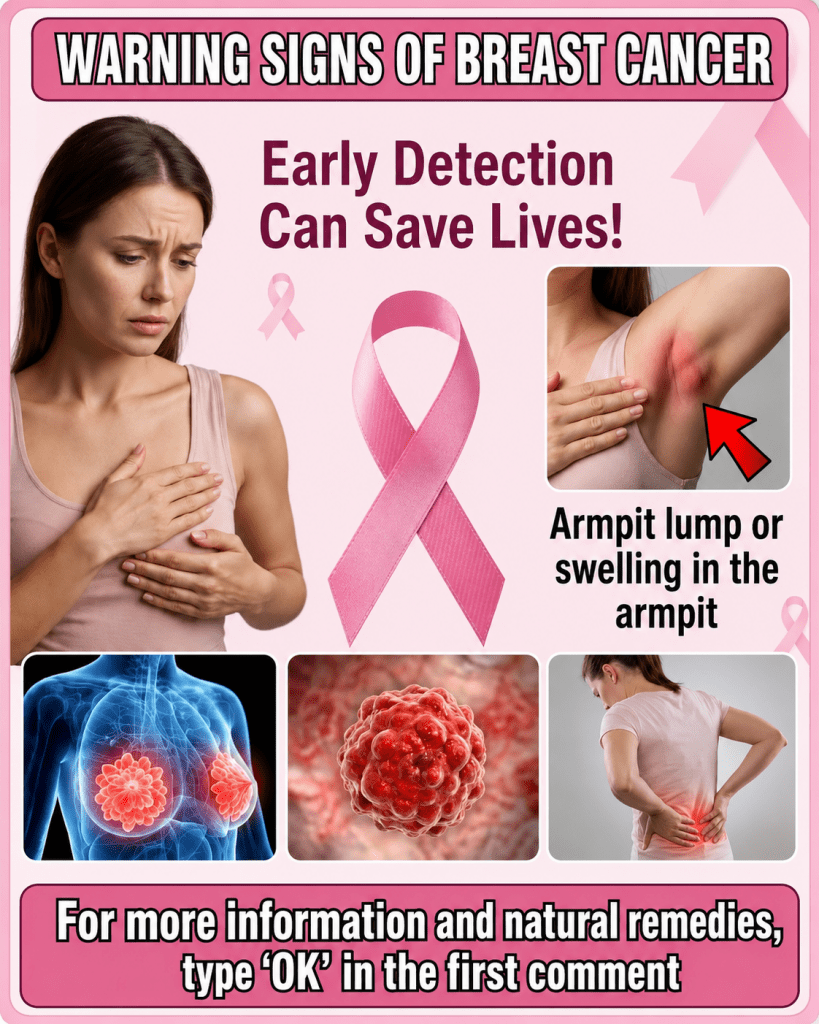
Paying Attention to Breast Changes: Why Early Awareness Matters
Many people notice small changes in their breasts and assume they are caused by hormones, stress, aging, or temporary irritation. In the middle of a busy life, it can be easy to think, “It will probably go away on its own.”
However, some breast changes deserve medical attention. While many breast symptoms turn out to be harmless, certain changes can be early signs of breast cancer and should not be ignored.
The encouraging news is that early detection greatly improves treatment options and outcomes. Learning what to watch for can help you take action sooner and have informed conversations with your healthcare provider.
Why Early Detection Is So Important
Breast cancer often develops gradually and may not cause obvious symptoms in its earliest stages.
Regular screening, breast awareness, and prompt evaluation of unusual changes can help identify potential concerns earlier, when treatment is often more effective and less invasive.
Being familiar with your own body is one of the simplest ways to notice changes that may require professional evaluation.
10 Possible Warning Signs of Breast Cancer
1. Swollen Lymph Nodes Under the Arm or Near the Collarbone
Enlarged lymph nodes in the armpit or near the collarbone may occasionally be associated with breast-related conditions.
You should pay attention if:
- The swelling persists
- The area feels firm or enlarged
- It occurs without an obvious infection
Any persistent swelling should be evaluated by a healthcare professional.
2. Unusual Nipple Discharge
Nipple discharge outside of breastfeeding may warrant medical attention.
Particular attention should be given if the discharge:
- Occurs spontaneously
- Comes from only one breast
- Appears bloody or clear
Many causes are non-cancerous, but evaluation is recommended.
3. Redness, Flaking, or Thickened Skin Around the Nipple
Persistent irritation around the nipple or areola that does not improve may require assessment.
Possible changes include:
- Redness
- Scaling
- Crusting
- Thickened skin
These symptoms can have several causes, making proper medical evaluation important.
4. Sudden Nipple Retraction or Inversion
A nipple that suddenly turns inward after previously pointing outward should not be ignored.
If this change develops unexpectedly, it is worth discussing with a healthcare provider.
5. Unexplained Swelling in the Breast or Armpit
Some breast cancers may not initially present as a distinct lump.
Instead, people may notice:
- Swelling in part or all of the breast
- Puffiness
- Fullness
- Swollen tissue under the arm
Persistent changes deserve medical attention.
6. Persistent Breast or Nipple Pain
Breast discomfort is common and often unrelated to cancer.
However, pain that:
- Persists over time
- Is localized to one area
- Does not seem linked to the menstrual cycle
may be worth discussing with a healthcare professional.
7. A New Lump or Thickened Area
A new lump remains one of the most recognized warning signs.
Features that may require evaluation include:
- A firm texture
- Irregular edges
- Limited movement under the skin
- Persistence over time
Remember that many breast lumps are benign, but all new lumps should be checked.
8. Persistent Itching, Redness, or Warmth
Ongoing irritation, redness, warmth, or itching that does not improve may indicate an underlying issue.
While skin conditions are often responsible, persistent symptoms should not be ignored.
9. Dimpling or Changes in Skin Texture
If the skin of the breast begins to look dimpled, puckered, or similar to the texture of an orange peel, medical evaluation is recommended.
These changes may occur because of alterations in the tissue beneath the skin.
10. Unexplained Changes in Breast Size or Shape
A noticeable change in one breast that cannot be explained by weight fluctuations, pregnancy, or hormonal changes may warrant further investigation.
Watch for:
- Changes affecting only one breast
- New asymmetry
- Visible distortion
- Persistent changes lasting several weeks
Simple Breast Health Action Plan
Maintaining breast health awareness does not need to be complicated.
Consider these habits:
Perform Regular Breast Self-Awareness Checks
Become familiar with how your breasts normally look and feel.
Schedule Recommended Screenings
Follow your healthcare provider’s recommendations regarding mammograms and clinical breast exams.
Keep Track of Changes
A simple journal or note on your phone can help document symptoms or changes over time.
Know Your Family History
Family history can influence breast cancer risk and screening recommendations.
When Should You Contact a Doctor?
Seek medical advice if you notice:
- A new breast lump
- Persistent nipple discharge
- Unexplained swelling
- Skin changes that do not improve
- Sudden nipple inversion
- Enlarged lymph nodes that persist
Even if symptoms turn out to be harmless, professional evaluation provides reassurance and appropriate guidance.
Frequently Asked Questions
Can Men Get Breast Cancer?
Yes. Although uncommon, breast cancer can occur in men. Awareness and early evaluation remain important for everyone.
Does Every Breast Lump Mean Cancer?
No. Many breast lumps are benign, including cysts and fibroadenomas. However, any new or unusual lump should be examined by a healthcare professional.
When Should Mammogram Screening Begin?
Screening recommendations vary based on age, personal risk factors, and family history. Speak with your healthcare provider about the screening schedule that is right for you.
Final Thoughts
Understanding these potential warning signs can help you stay informed and proactive about your health. Most breast changes are not cancer, but persistent or unusual symptoms should never be ignored.
Awareness, regular screening, and timely medical evaluation remain some of the most important tools for protecting breast health and supporting early detection.
Disclaimer
This article is intended for educational and informational purposes only. It is not a substitute for professional medical advice, diagnosis, or treatment. If you notice any concerning breast changes, consult a qualified healthcare professional for evaluation and guidance.