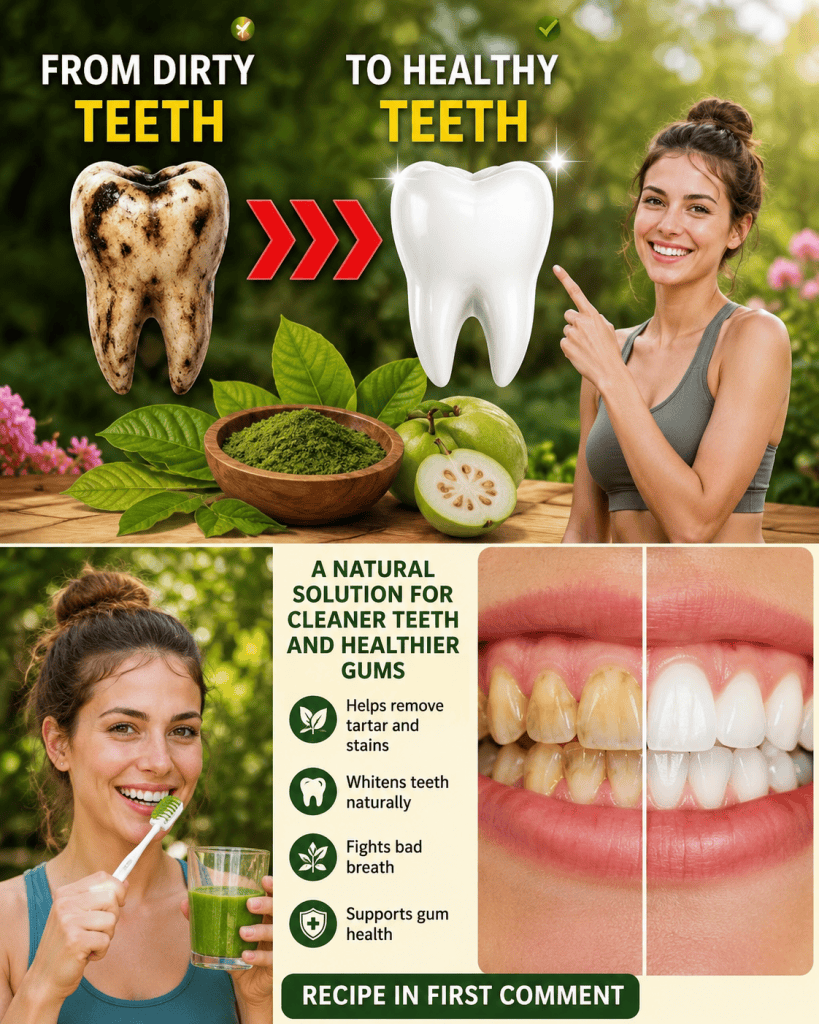
Healthy teeth don’t happen overnight—and neither do most dental problems.
Plaque buildup, occasional gum sensitivity, or persistent bad breath often develop gradually. Left unchecked, these everyday concerns can affect your confidence, comfort, and overall oral health.
Alongside regular brushing, flossing, and routine dental visits, many people explore gentle, plant-based practices that have been used in traditional wellness for generations. One of the most well-known is guava leaves.
Used in traditional practices throughout Asia, Africa, and Latin America, guava leaves contain naturally occurring plant compounds that researchers continue to study for their potential role in supporting oral hygiene.
In this guide, you’ll discover three easy ways to use guava leaves at home, what science currently says, and how to safely incorporate them into your dental care routine.
Why Are Guava Leaves Used for Oral Care?
For centuries, guava leaves have been valued in traditional herbal practices.
They naturally contain several beneficial plant compounds, including:
- Flavonoids
- Tannins
- Essential oils
- Polyphenols
These compounds have attracted scientific interest because of their antioxidant properties and their potential ability to help maintain a healthy balance of bacteria in the mouth.
Healthy oral hygiene is about controlling plaque, supporting healthy gums, and maintaining fresh breath—and good daily habits remain the foundation.
Guava leaves should be viewed as a complementary practice, not a replacement for brushing, flossing, or professional dental care.
Potential Benefits for Oral Health
When used alongside a consistent oral hygiene routine, guava leaves may help support:
- A cleaner mouth by helping reduce plaque-forming bacteria
- Healthy gums
- Fresher breath
- Normal saliva production, which naturally protects teeth
These potential benefits come primarily from their naturally occurring antioxidant and plant compounds.
1. Chew Fresh Guava Leaves
One traditional method is simply chewing clean, fresh guava leaves.
How to Use
- Pick 2–3 fresh guava leaves.
- Wash them thoroughly.
- Chew gently for 3–5 minutes.
- Spit out the leaves and rinse your mouth with clean water.
Suggested Frequency
Use this practice 2–3 times per week as part of your regular oral care routine.
Many people appreciate the naturally fresh feeling it leaves behind.
2. Make a Simple Guava Leaf Mouth Rinse
A homemade mouth rinse is another popular traditional use.
Ingredients
- 5–7 fresh or dried guava leaves
- 1 cup of water
Instructions
- Bring the water to a gentle boil.
- Add the guava leaves.
- Simmer for about 10–12 minutes.
- Strain and allow the liquid to cool completely.
How to Use
Swish the cooled rinse around your mouth for 30–60 seconds, then spit it out.
Many people enjoy using it once daily or every other day after brushing.
Potential benefits include:
- Refreshing the mouth
- Supporting gum comfort
- Helping maintain fresh breath
3. Prepare a Simple Guava Leaf Paste
Another traditional option involves making a gentle herbal paste.
Ingredients
- 4–5 fresh guava leaves
- A small pinch of salt
Directions
- Crush the leaves into a coarse paste.
- Mix with a small amount of salt.
- Apply gently to the gums and teeth.
- Leave in place for about 5 minutes.
- Rinse thoroughly with clean water.
Suggested Frequency
Use once or twice per week.
Avoid scrubbing aggressively, as excessive abrasion may irritate gums or tooth enamel.
What Does Research Say?
Several laboratory studies have examined guava leaf extracts and their effects on oral bacteria.
Researchers have found that guava leaves contain compounds that may help:
- Limit the growth of certain bacteria associated with dental plaque
- Provide antioxidant support
- Promote healthy gum tissue
However, most available evidence comes from laboratory or small-scale studies.
More human clinical research is still needed before definitive conclusions can be made.
Guava leaves should therefore be considered a supportive addition to—not a replacement for—professional dental care.
How to Add Guava Leaves to Your Weekly Routine
A balanced oral hygiene routine might look like this:
Every Day
- Brush your teeth twice daily using fluoride toothpaste.
- Floss once daily.
- Stay hydrated.
Two to Three Times Weekly
- Chew fresh guava leaves.
Daily or Every Other Day
- Use cooled guava leaf mouth rinse after brushing.
Once Weekly
- Apply a gentle guava leaf paste if desired.
After using any herbal preparation, rinse your mouth with clean water about 20–30 minutes later to help maintain normal oral comfort and protect tooth enamel.
Important Safety Tips
To use guava leaves safely:
- Always wash fresh leaves thoroughly.
- Use leaves from pesticide-free sources whenever possible.
- Stop use if irritation develops.
- Avoid use if you know you are allergic to guava.
- Continue routine dental examinations and professional cleanings.
Natural remedies work best as supportive habits—not replacements for evidence-based dental care.
Frequently Asked Questions
Can guava leaves replace toothpaste?
No. They are intended to complement—not replace—daily brushing with fluoride toothpaste.
Can I use dried guava leaves?
Yes. Dried leaves work well for preparing herbal mouth rinses.
Is long-term use safe?
For most healthy adults, moderate use is generally considered safe. If irritation occurs, discontinue use and consult a healthcare professional or dentist.
Final Thoughts
Good oral health is built through consistent daily habits.
Brushing, flossing, healthy eating, regular dental visits, and supportive natural practices all work together to help maintain a healthy smile.
Whether you choose to chew fresh guava leaves, prepare a soothing herbal rinse, or make a simple leaf paste, these traditional methods may provide a gentle addition to your oral hygiene routine.
Small habits practiced consistently often make the biggest difference over time.
Disclaimer: This article is intended for educational and informational purposes only. It is not intended to diagnose, treat, cure, or prevent any disease. Guava leaves should not replace professional dental care, fluoride toothpaste, prescribed treatments, or routine dental checkups. If you experience persistent tooth pain, bleeding gums, swelling, or other ongoing oral health concerns, consult a qualified dentist promptly.