Meta Description:
Discover how chia, flax, sesame, pumpkin, sunflower, and poppy seeds may support digestion, heart health, brain function, and healthy aging after age 45. Learn practical ways to enjoy them as part of a balanced diet.
Why Tiny Seeds Deserve a Place in Your Daily Routine After 45
As we grow older, it’s common to notice subtle changes that gradually become harder to ignore. You may wake up feeling less refreshed, experience occasional joint stiffness, notice slower digestion, or find it more difficult to stay mentally focused throughout the day.
These changes are often a natural part of aging, but nutrition also plays an important role. One simple habit that many people overlook is regularly including nutrient-rich seeds in everyday meals.
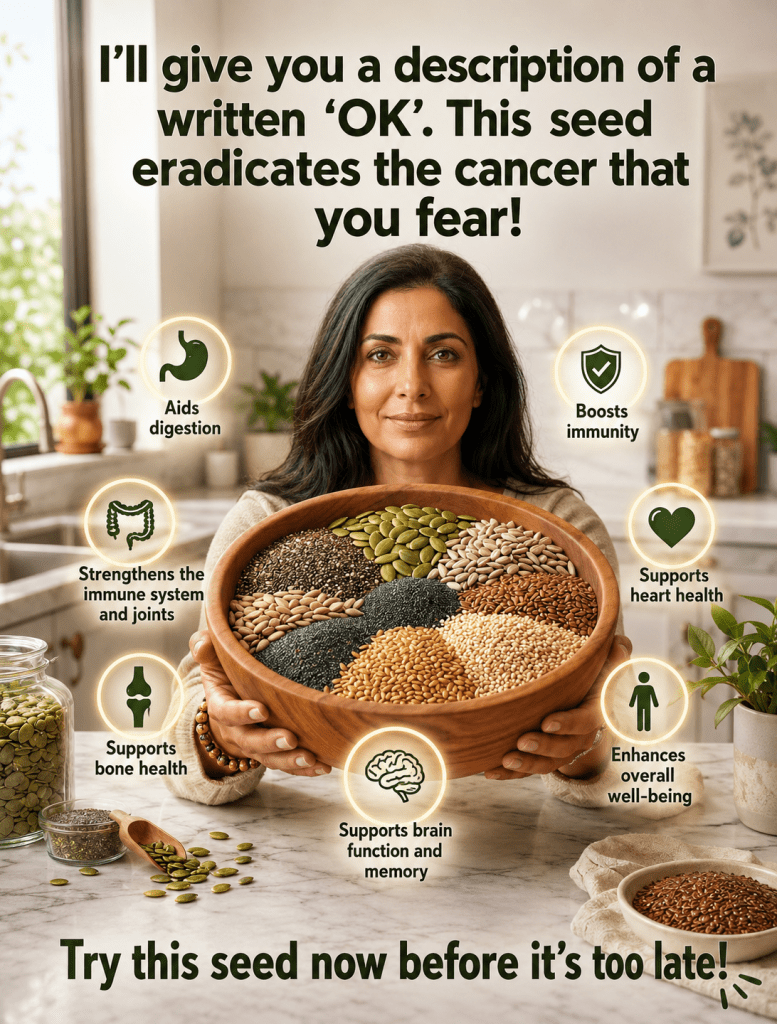
Chia seeds, flaxseeds, sesame seeds, pumpkin seeds, sunflower seeds, and poppy seeds each provide unique combinations of fiber, healthy fats, plant compounds, vitamins, and minerals that can help support overall wellness.
Rather than acting as a miracle solution, these foods work quietly by supplying nutrients your body naturally uses every day.
Why These Six Seeds Are Nutritional Powerhouses
Each seed contributes something different.
1. Chia Seeds
Chia seeds are rich in:
- Dietary fiber
- Plant-based omega-3 fatty acids (ALA)
- Calcium
- Magnesium
- Antioxidants
When mixed with liquid, chia forms a gel that may help support healthy digestion and promote a feeling of fullness.
2. Flaxseeds
Ground flaxseeds provide:
- Lignans (natural plant compounds)
- Fiber
- Omega-3 fats
- Protein
Freshly ground flaxseed is generally easier for the body to digest than whole seeds, allowing more nutrients to be absorbed.
3. Sesame Seeds
These tiny seeds contain:
- Calcium
- Magnesium
- Copper
- Zinc
- Sesamin and sesamolin (natural antioxidants)
Sesame seeds can be a valuable addition to meals that support bone health and overall nutrition.
4. Pumpkin Seeds
Pumpkin seeds are naturally rich in:
- Magnesium
- Zinc
- Iron
- Healthy fats
- Plant protein
They make an excellent snack and pair well with salads, yogurt, soups, and grain bowls.
5. Sunflower Seeds
Sunflower seeds provide:
- Vitamin E
- Selenium
- Healthy fats
- B vitamins
Vitamin E helps protect cells from oxidative stress as part of a balanced diet.
6. Poppy Seeds
Although often used in small amounts, poppy seeds contribute:
- Calcium
- Manganese
- Copper
- Fiber
They add both flavor and nutrition to baked goods, oatmeal, and yogurt.
Supporting Healthy Digestion Naturally
One of the first areas where many people notice benefits from increasing seed intake is digestion.
The combination of soluble and insoluble fiber may help:
- Promote regular bowel movements
- Support beneficial gut bacteria
- Increase satiety
- Contribute to digestive comfort
Chia and flaxseeds are especially known for their high fiber content, making them useful additions to a fiber-rich eating pattern.
Remember to increase fiber gradually and drink plenty of water throughout the day.
Natural Support for Heart Health
Healthy fats found in flax, chia, sunflower, and pumpkin seeds can contribute to heart-friendly eating habits.
These seeds provide nutrients associated with:
- Healthy cholesterol management as part of a balanced diet
- Healthy blood vessel function
- Reduced oxidative stress
- Overall cardiovascular wellness
Replacing processed snacks with a handful of unsalted seeds is one simple way to improve nutritional quality.
Helping Your Brain Stay Nourished
Your brain relies on healthy fats, vitamins, and minerals to function properly.
Several of these seeds contain nutrients involved in normal brain function, including:
- Omega-3 fatty acids
- Vitamin E
- Magnesium
- Zinc
While no single food can prevent cognitive decline, a varied diet rich in whole foods—including seeds—supports long-term brain health.
Supporting Healthy Bones and Muscles
As we age, maintaining bone and muscle health becomes increasingly important.
Sesame and poppy seeds contain calcium, while pumpkin seeds contribute magnesium and zinc—minerals involved in normal bone maintenance and muscle function.
Combined with regular exercise and adequate protein intake, these nutrients can help support healthy aging.
A Simple Daily Seed Mix
Many people enjoy combining several seeds together.
A balanced mix might include:
- 1 tablespoon ground flaxseed
- 1 tablespoon chia seeds
- 1 tablespoon pumpkin seeds
- 1 tablespoon sunflower seeds
- 2 teaspoons sesame seeds
- 1 teaspoon poppy seeds
Store the mixture in an airtight container and sprinkle a spoonful over meals.
Easy Ways to Enjoy These Seeds
Try adding them to:
- Oatmeal
- Greek yogurt
- Smoothies
- Whole-grain cereal
- Salads
- Vegetable soups
- Homemade bread
- Rice bowls
- Overnight oats
Lightly toasting sesame or pumpkin seeds can enhance their flavor without requiring extra ingredients.
Tips for Better Nutrient Absorption
A few preparation methods can make a difference:
- Grind flaxseeds just before eating.
- Store seeds in airtight containers away from heat and light.
- Pair seeds with balanced meals rather than eating large amounts alone.
- Rotate different varieties throughout the week for nutritional diversity.
Important Considerations
Although seeds are highly nutritious, they are also calorie-dense.
Keep these points in mind:
- Introduce high-fiber foods gradually.
- Drink enough water.
- Choose unsalted, minimally processed varieties whenever possible.
- People with food allergies should avoid seeds they are sensitive to.
- If you have digestive conditions or take medications that require dietary adjustments, consult your healthcare provider before making major changes.
Frequently Asked Questions
Which seed is the healthiest?
There isn’t a single “best” seed. Each offers unique nutrients, and eating a variety provides the greatest nutritional benefit.
Should flaxseed be eaten whole or ground?
Ground flaxseed is generally easier to digest and allows better absorption of its nutrients.
Can I eat these seeds every day?
For most healthy adults, moderate daily portions can fit well into a balanced diet.
Do seeds replace supplements?
No. Seeds are nutritious whole foods, but they should not replace prescribed medications or supplements recommended by your healthcare professional.
Final Thoughts
Healthy aging doesn’t depend on one miracle ingredient. Instead, it often comes from consistently choosing nutrient-dense foods that support your body’s natural processes.
Chia, flax, sesame, pumpkin, sunflower, and poppy seeds offer fiber, healthy fats, antioxidants, vitamins, and minerals that can complement a well-balanced lifestyle. When paired with regular physical activity, adequate sleep, and plenty of fruits and vegetables, these tiny foods can become a simple yet valuable part of your everyday nutrition.
Sometimes, the smallest additions to your plate can help build healthier habits over time.