Meta Description:
Discover the traditional oral health benefits of Tulsi (Holy Basil). Learn how this Ayurvedic herb may help support healthy gums, fresh breath, and everyday oral hygiene, along with simple ways to use it safely.
Tulsi: The Ancient Herb That May Help Support a Healthier Smile
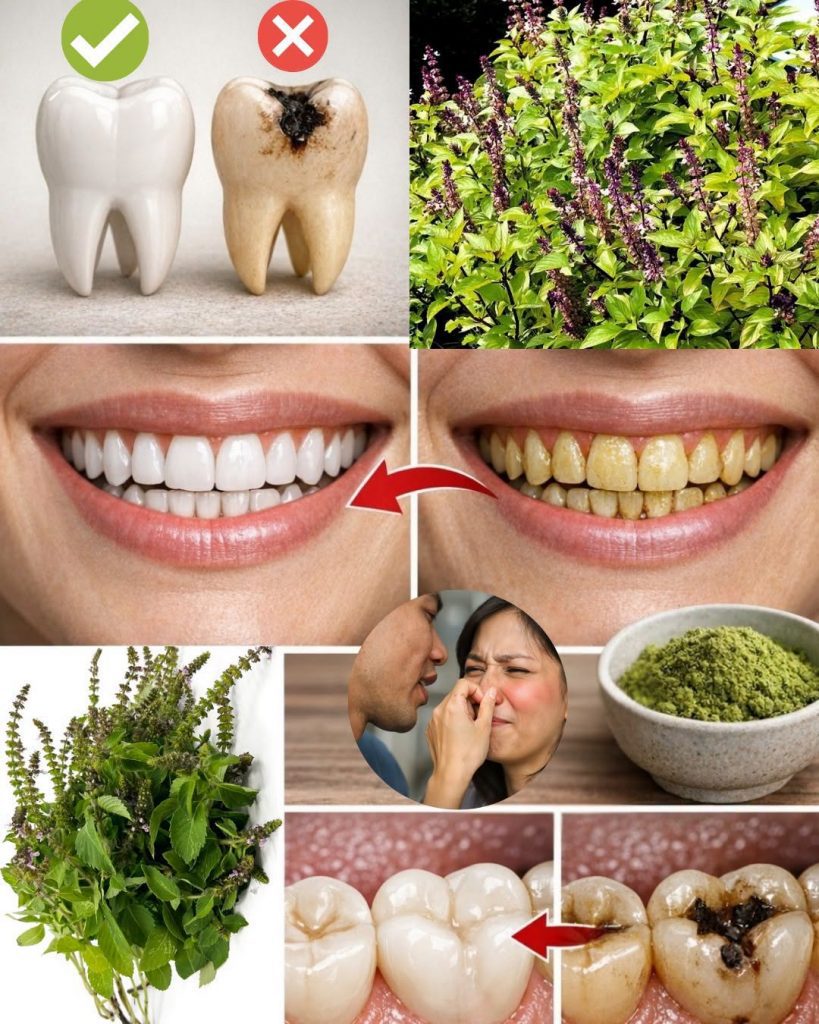
When people think of Tulsi, also known as Holy Basil, they often associate it with traditional wellness, relaxation, and immune support. However, one of its lesser-known traditional uses is promoting oral health.
For centuries, Tulsi has held a respected place in Ayurvedic medicine, where it is often called the “Queen of Herbs.” Modern research has also explored its naturally occurring antimicrobial and antioxidant compounds, which have generated interest in its potential role in supporting oral hygiene.
While Tulsi is not a replacement for professional dental care, it may be a helpful addition to a consistent oral hygiene routine.
Let’s explore why this remarkable herb continues to be valued for maintaining healthy teeth and gums.
What Is Tulsi?
Tulsi (Ocimum tenuiflorum or Ocimum sanctum) is an aromatic herb native to South Asia.
It has been traditionally used for centuries in herbal wellness practices because it naturally contains beneficial plant compounds such as:
- Eugenol
- Ursolic acid
- Linalool
- Flavonoids
- Polyphenols
- Natural antioxidants
These compounds are being studied for their antioxidant and antimicrobial properties.
How Tulsi May Support Oral Health
🦠 1. Helps Support a Healthy Oral Microbiome
A healthy mouth depends on maintaining a balanced community of microorganisms.
Laboratory research suggests that Tulsi contains naturally occurring compounds that may help reduce the growth of certain bacteria associated with dental plaque.
Researchers have studied its activity against microorganisms including:
- Streptococcus mutans, one of the bacteria involved in tooth decay
- Certain oral yeast species such as Candida
- Other bacteria linked with gum health
Good brushing, flossing, and regular dental visits remain the most effective ways to protect your teeth.
🦷 2. Supports Healthy Gums
Healthy gums are the foundation of a healthy smile.
Traditionally, Tulsi has been used to help soothe gums and support oral comfort.
Its naturally occurring plant compounds may help support:
- Healthy gum tissues
- Normal inflammatory responses
- Overall gum wellness
Maintaining healthy gums also supports long-term dental health.
🌬️ 3. Naturally Freshens Breath
Persistent bad breath often develops because of:
- Bacteria in the mouth
- Food particles
- Dry mouth
- Poor oral hygiene
Because Tulsi has a naturally fresh herbal aroma and contains antimicrobial plant compounds, many people use it as a natural way to freshen their breath.
Its flavor is often described as refreshing, with notes similar to mint but softer and more herbal.
🛡️ 4. Helps Protect Tooth Enamel Through Good Oral Hygiene
Tooth enamel faces daily challenges from:
- Acidic foods
- Sugary beverages
- Bacterial plaque
While Tulsi does not rebuild enamel, maintaining good oral hygiene with herbal rinses alongside regular brushing may help support a cleaner oral environment.
Healthy nutrition also plays an important role in protecting teeth.
🌿 5. Rich in Antioxidants
Tulsi contains antioxidants that help protect cells from oxidative stress.
In oral tissues, antioxidants contribute to maintaining healthy gums and supporting overall tissue wellness as part of a balanced diet.
🩹 6. Traditionally Used for Minor Oral Discomfort
Traditional herbal practices have used Tulsi to soothe occasional mouth discomfort, including:
- Minor mouth irritation
- Small oral sores
- Temporary gum sensitivity
Although these traditional uses are well known, more high-quality clinical studies are still needed.
Simple Ways to Use Tulsi for Oral Care
1. Homemade Tulsi Mouth Rinse
Ingredients
- 10–15 fresh Tulsi leaves (or 1 tablespoon dried Tulsi)
- 1 cup water
Instructions
- Bring the water to a boil.
- Add the Tulsi leaves.
- Simmer for about 10 minutes.
- Allow the mixture to cool.
- Strain before use.
Swish gently for about 30 seconds before spitting it out.
This herbal rinse can complement—but not replace—daily brushing and flossing.
2. Tulsi Herbal Tooth Powder
You can prepare a simple herbal powder by:
- Drying Tulsi leaves completely
- Grinding them into a fine powder
Some people combine the powder with:
- Virgin coconut oil
- A small pinch of salt
Use gently and avoid excessive abrasion while brushing.
3. Chewing Fresh Tulsi Leaves
Some traditional practices recommend chewing a few fresh Tulsi leaves occasionally to freshen the breath.
Because fresh herbs may be acidic or abrasive for some individuals, moderation is recommended.
4. Tulsi and Clove Herbal Paste
A traditional mixture combines:
- Tulsi powder
- Clove powder
- A small amount of coconut oil
This herbal blend has historically been used as part of home oral care routines.
However, it should never replace evaluation by a dentist for persistent tooth pain or gum problems.
Tips for Maintaining a Healthy Smile
Herbal remedies work best when combined with proven oral care habits:
- ✅ Brush twice daily using fluoride toothpaste.
- ✅ Floss every day.
- ✅ Drink plenty of water.
- ✅ Limit sugary foods and drinks.
- ✅ Visit your dentist regularly.
- ✅ Eat a balanced diet rich in fruits and vegetables.
Daily consistency matters far more than any single natural remedy.
Important Safety Considerations
Although Tulsi is widely consumed as both a culinary and herbal plant, it’s important to use it wisely.
Keep in mind:
- Some people may experience sensitivity or irritation.
- Avoid excessive chewing of fresh leaves if they cause discomfort.
- Herbal rinses should not replace professional dental treatment.
- Consult a healthcare provider before regular use if you are pregnant, breastfeeding, or taking medications.
If you experience persistent tooth pain, bleeding gums, swelling, or mouth sores that do not heal, seek evaluation from a dental professional.
What Does Research Say?
Modern laboratory research has identified several bioactive compounds in Tulsi with antioxidant and antimicrobial properties.
Current evidence suggests:
- Tulsi contains plant compounds that may help support oral hygiene.
- Laboratory studies have shown activity against certain oral microorganisms.
- More high-quality human clinical studies are needed before confirming many traditional claims.
At present, Tulsi is best viewed as a supportive herbal ingredient—not a substitute for professional dental care.
Final Thoughts
Tulsi has earned its reputation as one of the most respected herbs in traditional wellness.
Whether enjoyed as an herbal tea or incorporated into a gentle oral care routine, it offers a natural way to complement healthy daily habits.
Its greatest value comes from supporting—not replacing—the essentials of good oral hygiene:
- ✅ Brushing twice daily
- ✅ Flossing regularly
- ✅ Eating a nutritious diet
- ✅ Staying hydrated
- ✅ Scheduling regular dental checkups
A healthy smile is built through consistent care, and Tulsi can be one thoughtful addition to that everyday routine.
Educational Notice: This article is for educational purposes only and is not intended to diagnose, treat, cure, or prevent any disease. Always consult a qualified dentist or healthcare professional regarding persistent oral health concerns or before making significant changes to your oral care routine.