Introduction
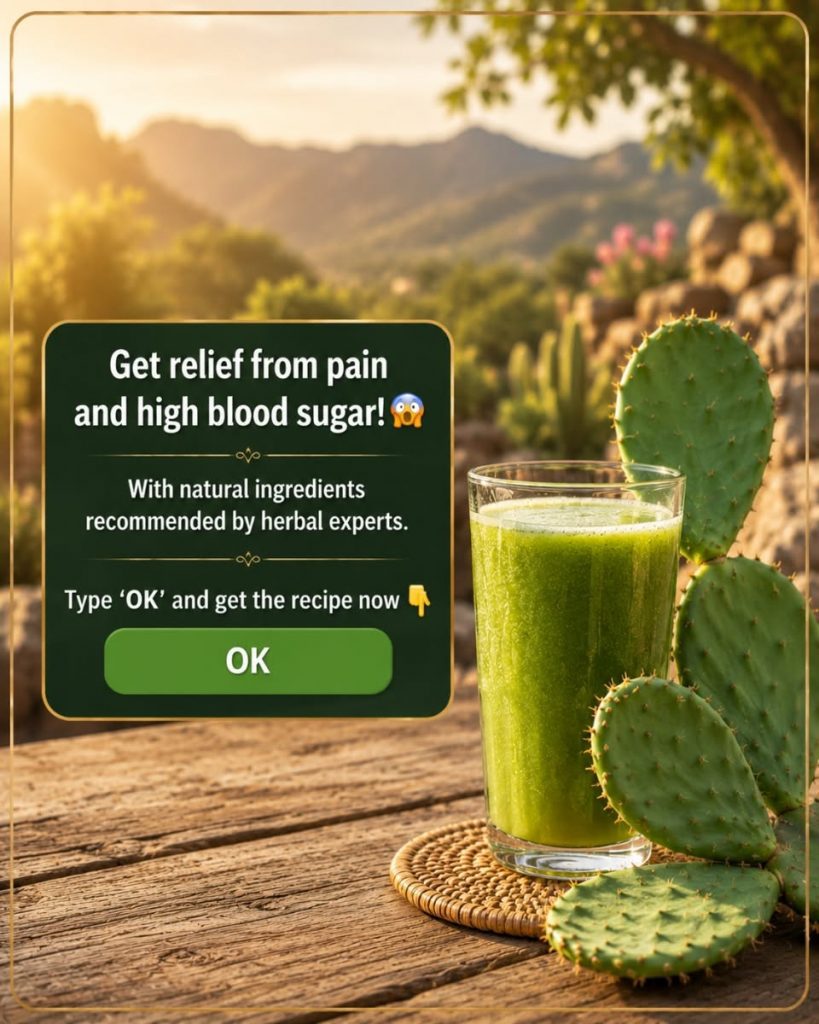
At first glance, the nopal cactus may seem tough, spiky, and uninviting. But behind its rugged appearance lies one of nature’s most fascinating traditional plants. For generations, communities across Central and South America have valued nopal not only as food, but also as a natural way to support overall wellness and daily vitality.
Known scientifically as Opuntia ficus-indica, and commonly called prickly pear cactus or nopal, this resilient desert plant thrives in hot and dry climates. Today, it is cultivated worldwide for its edible pads, colorful fruits, and especially for its impressive nutritional profile.
Modern research continues to explore what traditional practices have long suggested: nopal contains a unique combination of fiber, antioxidants, vitamins, and plant compounds that may help support several aspects of health when included in a balanced lifestyle.
In this article, you’ll discover:
- What makes nopal cactus unique
- Its nutritional composition
- Potential wellness benefits
- Common ways to enjoy it
- Why scientists are increasingly interested in this plant
What Is Nopal Cactus?
Nopal cactus is a succulent plant native to Mexico and other warm regions of the Americas. Several parts of the plant have traditionally been used in cooking and herbal practices, including:
- The flat cactus pads (often called nopales)
- The fruit, also known as prickly pear
- Flowers
- Seeds
For centuries, nopal has been incorporated into traditional Mexican wellness practices to support digestion, circulation, and metabolic balance.
Today, it is available in many forms, including:
- Fresh cactus pads
- Dried cactus powder
- Juice or smoothies
- Capsules and liquid extracts
Its mild flavor and versatility make it easy to include in everyday meals.
Nutritional Value of Nopal Cactus
One reason nopal continues to gain popularity is its impressive nutritional content.
Nopal naturally contains:
🌿 Antioxidants
These compounds help protect cells from oxidative stress caused by free radicals.
🌿 Dietary Fiber
Fiber supports healthy digestion and may help increase feelings of fullness after meals.
🌿 Polyphenols
Plant compounds associated with antioxidant and anti-inflammatory activity.
🌿 Carotenoids
Naturally occurring pigments that may support skin and eye wellness.
🌿 Vitamins & Minerals
Nopal also contains nutrients such as vitamin C, magnesium, and potassium.
Potential Health Benefits of Nopal Cactus
While more research is still ongoing, early studies and traditional use suggest that nopal may offer several supportive wellness benefits.
1. May Help Support Healthy Blood Sugar Balance
The soluble fiber found in nopal may help slow the absorption of sugar in the digestive system, which can contribute to steadier energy levels when combined with a healthy diet.
Because of this, nopal is often included in traditional wellness routines aimed at metabolic support.
2. Supports Digestive Comfort
Nopal contains natural mucilage — a gel-like substance that may help soothe the digestive tract.
Traditionally, it has been used to help:
- Support stomach comfort
- Promote regular digestion
- Encourage a healthy gut environment
Its fiber content may also contribute to better digestive balance.
3. May Assist with Weight Management Goals
High-fiber foods are often associated with improved satiety, and nopal is no exception.
Its fiber may help:
- Increase feelings of fullness
- Reduce unnecessary snacking
- Support balanced eating habits
When paired with healthy nutrition and movement, nopal can be a useful addition to a wellness-focused lifestyle.
4. Natural Anti-Inflammatory Properties
Nopal contains plant compounds such as beta-sitosterol and flavonoids that have been studied for their potential anti-inflammatory effects.
Some people traditionally use nopal to support comfort related to:
- Joint stiffness
- Everyday aches
- Physical fatigue
However, it should not replace professional medical care.
5. Rich in Protective Antioxidants
Antioxidants play an important role in helping the body manage oxidative stress.
Because nopal contains a variety of antioxidant compounds, researchers are exploring its potential role in supporting:
- Cellular wellness
- Healthy aging
- General vitality
6. May Support Liver Wellness
Some studies suggest that nopal juice may help protect liver cells from oxidative stress and support the body’s natural detoxification processes.
This is one reason the plant has gained attention in natural wellness communities.
7. Traditionally Used for Recovery Support
In traditional Mexican practices, nopal has long been consumed to help reduce discomfort associated with occasional overindulgence, including:
- Nausea
- Dry mouth
- Temporary fatigue
Its hydrating properties and nutrient content may contribute to overall recovery support.
8. Scientific Interest in Cellular Health
Researchers continue studying nopal because of its unique combination of:
- Fiber
- Antioxidants
- Polyphenols
- Bioactive plant compounds
Some laboratory studies have explored whether these compounds may help support healthy cellular function. However, more human research is still needed, and nopal should never be considered a treatment for serious illnesses.
How to Enjoy Nopal Cactus
In Everyday Meals 🌵
Fresh nopal pads can be:
- Grilled
- Sautéed
- Added to salads
- Blended into smoothies
The fruit is often used in:
- Juices
- Jams
- Desserts
- Refreshing beverages
As a Supplement
Nopal is also available as:
- Powder
- Capsules
- Liquid extracts
If trying supplements for the first time, it’s always best to start slowly and consult a healthcare professional if needed.
Why Scientists Continue Studying Nopal
Researchers remain interested in nopal because it combines several qualities that support modern wellness goals:
✅ High fiber content
✅ Rich antioxidant profile
✅ Naturally occurring anti-inflammatory compounds
✅ Potential metabolic support properties
Its long history in traditional nutrition also makes it especially intriguing to modern science.
Important Considerations
Although nopal is generally considered safe as a food, moderation is important.
Keep in mind:
- Start with small amounts if you’re new to it
- Speak with a healthcare professional before using supplements regularly
- Individuals with chronic health conditions should seek medical guidance before making major dietary changes
Natural ingredients can support wellness, but they are not substitutes for professional care or prescribed treatments.
Conclusion
The nopal cactus (Opuntia ficus-indica) is far more than a desert plant. Deeply rooted in traditional practices and increasingly explored by modern research, it has become a popular natural ingredient for those seeking simple ways to support overall wellness.
Thanks to its fiber, antioxidants, and beneficial plant compounds, nopal may help support:
🌿 Digestive balance
🌿 Healthy weight management
🌿 Blood sugar wellness
🌿 Liver support
🌿 Everyday vitality
While research is still evolving, nopal remains an impressive example of how traditional wisdom and modern nutritional science can come together naturally.