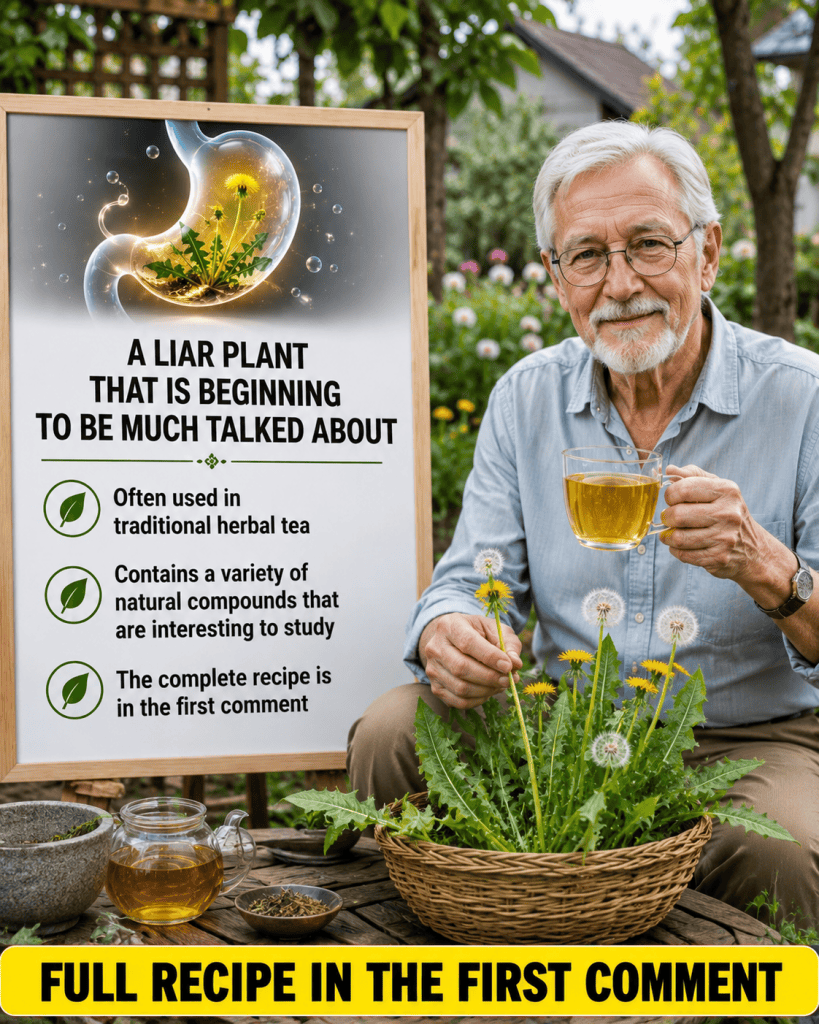
Every so often, dramatic health claims spread rapidly across social media. One of the most common says:
“This plant destroys cancer cells in 48 hours and is 1,000 times more effective than chemotherapy.”
While these statements may sound hopeful, they are not supported by reliable clinical evidence. Understanding what science actually says can help people make informed health decisions and avoid misinformation.
Let’s explore the facts behind these viral claims and learn how some medicinal plants have contributed to medical research—without overstating what they can do.
🌱 Why Do These Claims Become So Popular?
When facing serious illnesses like cancer, it’s natural to look for hopeful stories and simpler solutions.
Posts promising:
- “A miracle plant”
- “A secret recipe”
- “A hidden cure”
- “Better than chemotherapy”
often spread quickly because they offer hope.
However, hope should always be paired with accurate information and evidence-based medical care.
🔬 What Does Science Actually Say?
There is no reliable clinical evidence showing that any plant can:
- Destroy cancer in 48 hours
- Cure every type of cancer
- Replace modern cancer treatment
- Be “1,000 times more effective than chemotherapy” in people
Many of these claims originate from laboratory experiments rather than studies involving patients.
This is an important distinction.
🧪 Laboratory Studies Are Only the First Step
Scientists often begin by testing natural compounds on isolated cells in a laboratory.
In these experiments, researchers may discover that certain plant compounds can affect cancer cells under controlled conditions.
However, this does not automatically mean the same results occur inside the human body.
Many substances—including some that are too toxic for people—can destroy cells in a laboratory dish.
Before becoming a medicine, a potential treatment must pass through years of research involving:
- Safety testing
- Dose determination
- Animal studies
- Human clinical trials
- Regulatory review
Only a small number of promising compounds successfully complete this process.
🌿 Have Plants Helped Develop Cancer Medicines?
Yes.
Nature has played an important role in modern medicine.
Several cancer medicines were originally discovered from plants before being carefully developed into standardized pharmaceutical treatments.
Examples include:
- Paclitaxel, originally derived from the Pacific yew tree
- Vincristine and vinblastine, developed from the Madagascar periwinkle
These medicines were not created simply by consuming the plants.
Instead, scientists spent many years identifying active compounds, studying safety, refining dosages, and conducting extensive clinical research.
This demonstrates the value of scientific investigation—not the effectiveness of homemade remedies.
🍈 What About Graviola (Soursop)?
Graviola, also known as soursop, is one of the plants most frequently linked to viral cancer claims.
Laboratory studies have investigated compounds found in graviola leaves, seeds, and fruit.
Researchers have observed that some compounds may affect certain cancer cells under laboratory conditions.
However:
- Human clinical evidence remains very limited.
- There is no proof that graviola cures cancer in people.
- No major cancer organization recommends graviola as a replacement for standard cancer treatment.
Scientists continue to study its compounds, but much more research is needed.
🌿 Why Laboratory Results Don’t Always Become Treatments
The human body is far more complex than a laboratory dish.
A compound that appears promising in early research may later prove to be:
- Poorly absorbed
- Broken down too quickly
- Unable to reach tumors
- Ineffective in humans
- Unsafe at therapeutic doses
This is why clinical trials are essential before any treatment can be recommended.
⚠️ Warning Signs of Misleading Health Claims
Be cautious if you see statements such as:
❌ “Cures all cancers”
❌ “Works in 48 hours”
❌ “Doctors don’t want you to know”
❌ “Secret recipe”
❌ “More effective than chemotherapy”
❌ “Guaranteed results”
These types of promises rarely reflect high-quality scientific evidence.
Reliable health information usually explains both potential benefits and limitations.
🌿 Healthy Lifestyle Habits That Support Overall Wellness
Although no food can cure cancer, healthy daily habits contribute to overall well-being.
These include:
🥗 Eating a colorful variety of fruits and vegetables
🌾 Choosing whole grains
🥜 Including nuts and seeds
🐟 Eating healthy sources of protein
🚶 Staying physically active
😴 Getting enough sleep
💧 Staying well hydrated
🚭 Avoiding tobacco
🍷 Limiting alcohol intake
These habits support general health and may help reduce the risk of several chronic diseases.
🍎 Why Plant Foods Still Matter
While plants should not be viewed as miracle cures, they are valuable sources of:
- Vitamins
- Minerals
- Fiber
- Antioxidants
- Phytochemicals
A diet rich in plant foods supports:
- Heart health
- Digestive health
- Immune function
- Healthy aging
- Overall wellness
The greatest benefits come from eating a wide variety of nutritious foods rather than relying on any single ingredient.
❓Frequently Asked Questions
Can any food cure cancer?
Currently, no single food has been proven to cure cancer.
Should people stop prescribed treatment and use herbs instead?
No.
Anyone diagnosed with cancer should discuss treatment options with their oncology team before making changes to their care plan.
Are researchers still studying medicinal plants?
Yes.
Scientists continue exploring thousands of natural compounds that may one day contribute to future medicines.
Research is ongoing, but careful testing is essential before any treatment can be considered safe and effective.
Final Thoughts
The claim that a plant can destroy cancer cells within 48 hours or is 1,000 times more effective than chemotherapy is not supported by reliable clinical evidence.
What science does show is that many plants contain fascinating natural compounds worthy of research, and some have even contributed to the development of important medicines. However, laboratory findings should never be confused with proven treatments for people.
The healthiest approach is to combine evidence-based medical care with a nutritious diet, regular physical activity, good sleep, stress management, and guidance from qualified healthcare professionals.
🌿 Nature continues to inspire medical discoveries, but true progress comes through careful scientific research—not extraordinary claims.
Health Note: This article is for educational purposes only and is not intended to diagnose, treat, cure, or prevent any disease. If you have cancer or any serious medical condition, always seek advice from your oncologist or other qualified healthcare professional before using herbal products or making changes to your treatment plan.