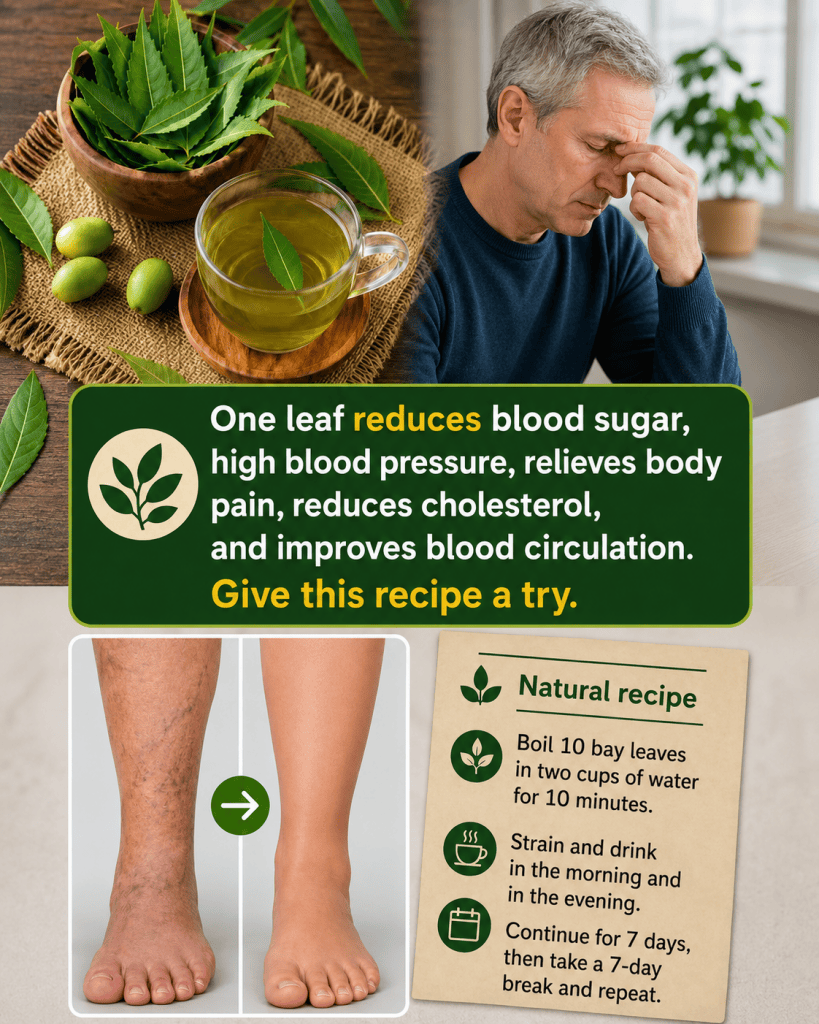
For centuries, neem leaves have been valued in traditional wellness practices, particularly in Ayurveda, for their remarkable natural properties. Often referred to as the “village pharmacy” or “nature’s pharmacy,” the neem tree (Azadirachta indica) contains a wide range of plant compounds that have attracted growing scientific interest.
Today, as more people embrace natural wellness habits, neem continues to be appreciated as a complementary plant that may help support overall health when used responsibly.
Important: Neem is not a medicine or a cure for disease. The information below is educational and should not replace professional medical advice.
🌱 What Is the Neem Tree?
Neem (Azadirachta indica) is a tropical evergreen tree native to South Asia, especially India, where it has been used in traditional practices for thousands of years.
Nearly every part of the tree—including its leaves, bark, seeds, and oil—has been used in traditional wellness routines.
Neem leaves naturally contain beneficial plant compounds such as:
- Flavonoids
- Natural antioxidants
- Plant compounds with antibacterial properties
- Naturally occurring anti-inflammatory compounds
These components help explain why neem has remained an important part of traditional herbal practices across many cultures.
🌿 Potential Benefits of Neem Leaves
1. Supports Natural Immune Function
Neem leaves contain antioxidants that help protect cells from oxidative stress caused by free radicals.
A diet rich in antioxidant-containing foods and herbs may contribute to maintaining the body’s natural defense system as part of a healthy lifestyle.
2. Naturally Supports Skin Wellness
Neem has long been included in traditional skincare routines.
When used appropriately in topical preparations, neem may help support:
- Healthy-looking skin
- Balanced skin oil production
- Skin comfort
- Overall skin cleanliness
Many natural skincare products include neem because of its long history of traditional use.
3. Traditional Support for Oral Hygiene
Neem twigs and leaves have been traditionally used for oral care in many cultures.
Neem’s natural plant compounds may help support:
- Fresh breath
- Healthy gums
- Daily oral hygiene
It should always complement—not replace—regular brushing, flossing, and professional dental care.
4. Provides Antioxidant Support
Antioxidants play an important role in protecting cells from everyday oxidative stress.
Neem contains several naturally occurring antioxidant compounds that continue to be studied for their potential role in supporting overall wellness.
5. Supports Digestive Wellness
In traditional herbal practices, neem has been used to help maintain digestive balance.
Some people enjoy neem tea in moderation as part of a healthy routine to support:
- Comfortable digestion
- Natural digestive balance
- General gastrointestinal wellness
Scientific research is ongoing, and results may vary among individuals.
🍵 How to Make Neem Leaf Tea
One of the easiest ways to enjoy neem is as a simple herbal infusion.
Ingredients
- 4–6 fresh or dried neem leaves
- 1 cup (240 ml) water
Directions
- Bring the water to a gentle boil.
- Add the neem leaves.
- Let steep for 5–10 minutes.
- Strain the tea.
- Enjoy while warm.
Because neem has a naturally bitter taste, some people pair it with ginger or a slice of lemon for a more pleasant flavor.
Moderation is generally recommended.
🌿 Topical Use for Skin Care
Neem leaves may also be used externally.
A simple herbal paste can be prepared by grinding clean neem leaves with a small amount of water.
Traditionally, this preparation has been used to support:
- Skin comfort
- Minor skin irritation relief
- Healthy-looking complexion
Before applying any herbal preparation to the skin, perform a small patch test to check for sensitivity.
🌱 Simple Ways to Include Neem in Your Routine
Many people choose to use neem in moderation through:
- Herbal tea
- Homemade skin masks
- Herbal rinses
- Traditional wellness practices
Consistency and responsible use are generally more important than large amounts.
🌿 What Does Science Say?
Modern research has identified numerous bioactive compounds in neem, including antioxidants and plant substances with antibacterial and anti-inflammatory properties.
These findings help explain many of neem’s traditional uses. However, additional high-quality human studies are still needed to better understand its long-term health effects.
Neem should never be considered a substitute for medical treatment or prescribed medications.
⚠️ Safety Considerations
Although neem is a natural plant, it should still be used responsibly.
General recommendations include:
- Avoid excessive consumption.
- Choose high-quality, properly prepared neem products.
- Pregnant or breastfeeding women should avoid neem unless advised by a healthcare professional.
- People with medical conditions or those taking prescription medications should consult a qualified healthcare provider before using neem regularly.
- Concentrated neem oil and extracts should only be used according to product directions.
Natural does not always mean suitable for everyone.
❓ Frequently Asked Questions
Can I drink neem tea every day?
Many people enjoy neem tea occasionally or in moderation. If you have a medical condition or take medications, consult your healthcare provider before making it a regular habit.
Why does neem taste so bitter?
Its naturally occurring plant compounds give neem its characteristic bitter flavor, which has long been associated with traditional herbal preparations.
Can neem replace medical treatment?
No. Neem may complement a healthy lifestyle, but it should never replace professional medical care, prescribed medications, or routine health checkups.
🌿 Final Thoughts
Neem leaves have earned a respected place in traditional wellness practices for generations. Rich in natural plant compounds, they continue to attract scientific interest for their antioxidant, antibacterial, and skin-supporting properties.
When used thoughtfully and in moderation, neem can be a valuable addition to a balanced wellness routine alongside nutritious eating, regular exercise, quality sleep, and professional healthcare.
Nature offers many remarkable plants—and neem remains one of the most widely recognized traditional herbs for supporting everyday well-being.
💚 If you found this article helpful, consider sharing it with friends or family who are interested in learning more about traditional herbal wellness and healthy lifestyle habits.