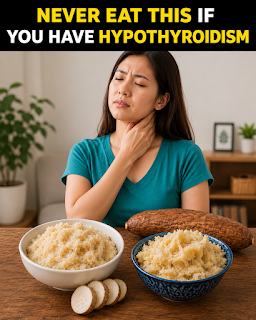
Certain foods may interfere with thyroid function, iodine balance, or hormone absorption when consumed excessively or prepared improperly. That doesn’t mean you must completely avoid every item forever — moderation, preparation methods, and overall balance matter most.
In this article, we’ll explore 10 foods that people with hypothyroidism often choose to limit, along with practical tips for building a more thyroid-friendly lifestyle.
Why Diet Matters for Hypothyroidism
The thyroid is a small gland with a big responsibility. It helps regulate metabolism, temperature, mood, digestion, and energy production.
When thyroid activity slows down, the body may become more sensitive to certain foods that can:
- Affect iodine absorption
- Interfere with thyroid hormone production
- Reduce medication effectiveness
- Contribute to inflammation or sluggish digestion
A balanced diet cannot “cure” hypothyroidism, but healthy food choices may help support overall wellness and daily comfort.
1. Excess Soy Products
Soy foods like soy milk, tofu, and soy protein are widely consumed, but excessive amounts may interfere with thyroid hormone absorption in some individuals.
This is especially important if you take thyroid medication.
Better approach:
- Enjoy soy in moderation
- Avoid taking thyroid medication close to soy-based meals
- Wait several hours after medication before consuming soy products
2. Highly Processed Foods
Fast food, packaged snacks, sugary cereals, and heavily processed meals are often high in unhealthy fats, sodium, and refined sugars.
These foods may contribute to:
- Low energy
- Weight gain
- Inflammation
- Blood sugar imbalance
Healthier alternatives:
- Fresh vegetables
- Lean proteins
- Whole grains
- Homemade meals with simple ingredients
3. Excess Sugar
People with hypothyroidism may already experience slower metabolism and energy fluctuations. Excess sugar intake can make these symptoms feel worse.
Common hidden sugar sources include:
- Soft drinks
- Sweetened coffee drinks
- Desserts
- Packaged juices
Try instead:
- Fresh fruit
- Herbal tea
- Naturally flavored water
4. Deep-Fried Foods
Fried foods are often difficult to digest and may contribute to feelings of heaviness and fatigue.
Examples include:
- French fries
- Fried chicken
- Fast-food snacks
Better cooking methods:
- Baking
- Grilling
- Air frying
- Steaming
5. Excess Cruciferous Vegetables (Raw)
Vegetables like cabbage, broccoli, kale, cauliflower, and Brussels sprouts are highly nutritious. However, consuming very large amounts raw may affect iodine utilization in sensitive individuals.
Important note:
Cooking usually reduces these compounds significantly.
Smart tip:
You do not necessarily need to avoid these vegetables — simply enjoy them cooked and in moderation.
6. Gluten (For Sensitive Individuals)
Some people with thyroid conditions also choose to reduce gluten, especially if they have gluten sensitivity or autoimmune-related concerns.
Foods containing gluten include:
- White bread
- Pasta
- Pastries
- Processed baked goods
Possible alternatives:
- Rice
- Oats
- Quinoa
- Gluten-free grains
7. Excess Alcohol
Alcohol may interfere with hormone balance and energy levels while placing extra stress on the body.
People with hypothyroidism often report feeling more fatigued after frequent alcohol consumption.
Better habit:
- Limit alcohol intake
- Stay hydrated
- Prioritize sleep and recovery
8. Excessive Caffeine
Coffee and energy drinks may temporarily increase alertness, but too much caffeine can sometimes worsen anxiety, sleep problems, or energy crashes.
It may also affect medication absorption if taken too close to thyroid medication.
Helpful suggestion:
Take thyroid medication with water and wait before drinking coffee.
9. Ultra-Salty Foods
Iodine is important for thyroid health, but excessive sodium from processed foods may negatively affect overall wellness.
Foods often high in sodium:
- Instant noodles
- Chips
- Processed meats
- Frozen meals
Choose instead:
- Fresh herbs
- Homemade seasoning blends
- Whole foods with natural flavor
10. Cassava and Certain Root-Based Foods in Excess
Cassava and some root vegetables contain naturally occurring compounds that may affect thyroid function when eaten excessively and without proper preparation.
This is especially relevant in diets where cassava is consumed daily in large quantities.
Safer approach:
- Proper cooking and preparation
- Balanced variety in meals
- Moderation rather than fear
Simple Habits That May Support Thyroid Wellness
Instead of focusing only on restriction, many people find it more helpful to build supportive daily habits.
Consider:
🌿 Eating balanced meals
💧 Staying hydrated
🥗 Including selenium- and zinc-rich foods
😴 Prioritizing sleep
🚶 Gentle daily movement
🩺 Following medical guidance consistently
Final Thoughts
Hypothyroidism management is rarely about one “bad” food. Most experts agree that balance, consistency, and overall lifestyle patterns matter far more than strict food fear.
By becoming more mindful of highly processed foods, excessive sugar, and certain dietary habits, you may help support better daily energy and overall well-being.
Small changes made consistently often lead to the most sustainable results.
💬 Have you made dietary changes to support your thyroid wellness? Share your experience below!