Every day, it helps process nutrients, metabolize fats, filter waste products, and support hundreds of essential functions. Because it’s so resilient, the liver can continue working even when under extra strain, which is why early changes often go unnoticed.
Rather than causing dramatic symptoms, an overworked liver may be associated with subtle signs that are easy to dismiss as stress, poor sleep, or simply getting older.
The encouraging news? Healthy daily habits can go a long way toward supporting normal liver function and overall wellness.
Let’s take a closer look.
Why Liver Health Matters
The liver performs more than 500 important jobs inside the body, including:
Processing nutrients from food
Supporting fat metabolism
Helping regulate blood sugar
Producing bile for digestion
Filtering waste products
Storing essential vitamins and minerals
When lifestyle habits place extra demands on the liver—such as diets high in added sugars, excess alcohol, or highly processed foods—it may become less efficient over time.
Supporting your liver doesn’t require expensive supplements or miracle products. In many cases, the foundation begins with everyday nutrition and lifestyle choices.
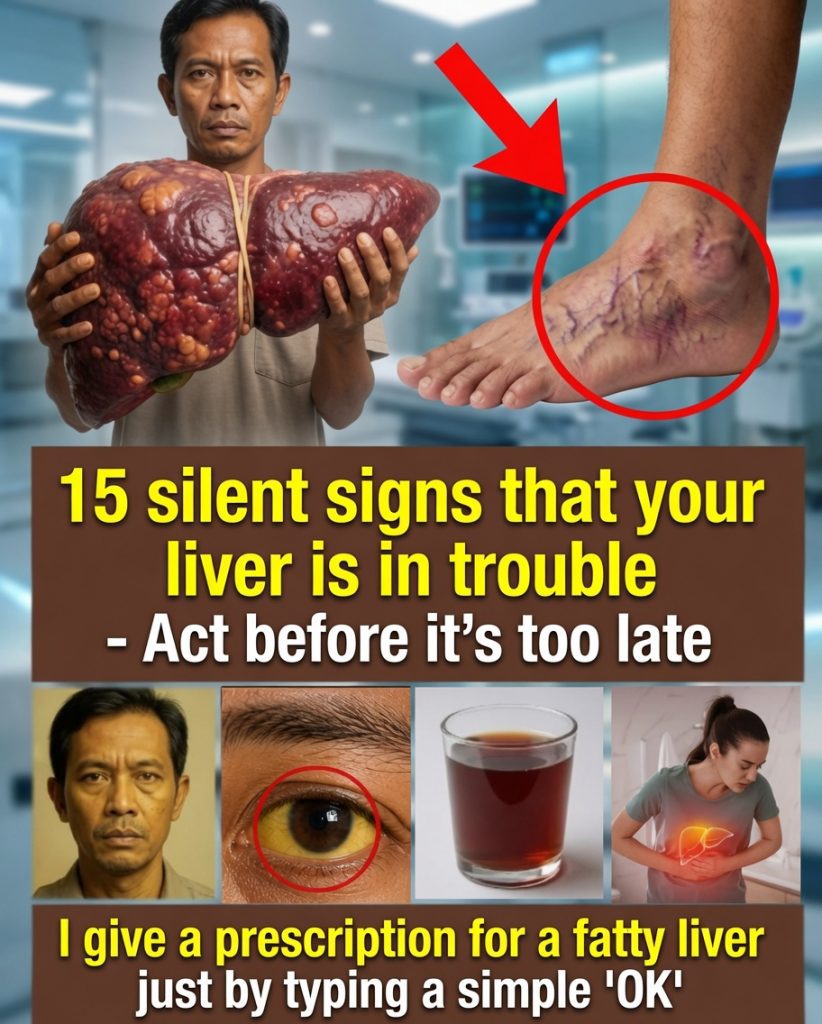
15 Signs Your Liver May Benefit from Healthy Lifestyle Changes
These signs can have many possible causes and do not necessarily indicate liver disease. If symptoms are persistent or concerning, seek evaluation from a healthcare professional.
1. Persistent Fatigue
Feeling tired even after a full night’s sleep may sometimes be associated with overall metabolic health.
2. Frequent Bloating
Occasional bloating after meals may be linked to digestive habits and food choices.
3. Feeling Heavy After Eating
Large, high-fat meals can leave you feeling sluggish and uncomfortable.
4. Brain Fog
Difficulty concentrating or feeling mentally sluggish can result from many factors, including poor sleep, stress, and overall health.
5. Reduced Energy Throughout the Day
Energy crashes may reflect nutrition, hydration, physical activity, or metabolic health.
6. Changes in Appetite
Unexpected changes in appetite deserve attention, especially if they persist.
7. Digestive Discomfort
Occasional nausea, indigestion, or slow digestion can have many causes and should not be ignored if ongoing.
8. Dull-Looking Skin
Healthy skin often reflects overall wellness, including hydration and nutrition.
9. Unexplained Itchy Skin
Persistent itching can occur for many reasons and should be evaluated by a healthcare provider if it continues.
10. Feeling Sluggish After Sugary Foods
Highly processed foods and excess sugar can affect energy levels and overall metabolic health.
11. Difficulty Maintaining a Healthy Weight
Weight management is influenced by many factors, including diet, physical activity, sleep, hormones, and genetics.
12. Frequent Afternoon Energy Slumps
Balanced meals with fiber and protein may help promote steadier energy throughout the day.
13. Feeling Less Motivated to Stay Active
Low energy can make regular movement feel more difficult, creating a cycle that’s hard to break.
14. Digestive Changes After Heavy Meals
Rich, fried, or highly processed foods may contribute to digestive discomfort for some people.
15. Simply Not Feeling Like Yourself
Sometimes your body signals that it would benefit from healthier daily habits—even when no single symptom stands out.
What Truly Supports Liver Health?
The liver doesn’t need dramatic “detoxes.” Instead, it benefits most from reducing everyday strain and providing the nutrients it needs to function normally.
Fill Your Plate with Whole Foods 🥗
Choose foods such as:
Leafy green vegetables
Colorful fruits
Whole grains
Beans and legumes
Nuts and seeds
These provide fiber, vitamins, minerals, and antioxidants that support overall health.
Stay Well Hydrated 💧
Water helps support many normal bodily processes and overall metabolic function.
Aim to drink fluids regularly throughout the day according to your individual needs.
Choose Healthy Fats 🥑
Replace highly processed fats with healthier options such as:
Olive oil
Avocados
Nuts
Fatty fish
Cut Back on Added Sugar
Excess added sugar—especially from sugary drinks and desserts—may contribute to fat accumulation in the liver over time.
Small daily changes often make a meaningful difference.
Limit Highly Processed Foods
Foods high in refined carbohydrates, trans fats, and excess sodium may place additional stress on overall metabolic health.
Whenever possible, choose meals prepared from fresh ingredients.
Move Your Body Daily 🚶
Regular physical activity supports healthy weight management and helps maintain normal liver function.
Even a 30-minute walk most days of the week can provide meaningful health benefits.
Moderate Alcohol Intake
For those who drink alcohol, moderation is one of the most effective ways to reduce unnecessary strain on the liver.
Prioritize Quality Sleep 😴
The body performs many restorative processes during sleep. Adults generally benefit from 7–9 hours of quality rest each night.
Foods That Naturally Support a Healthy Lifestyle
Many nutritious foods fit well into a liver-friendly eating pattern, including:
Leafy greens
Cruciferous vegetables
Berries
Citrus fruits
Garlic
Beets
Oats
Green tea
Coffee (in moderation, if appropriate)
High-fiber foods
No single food can “cleanse” or “repair” the liver, but a balanced dietary pattern can support its normal function.
Small Habits Can Lead to Meaningful Change
Healthy improvements often happen gradually.
You may notice:
✅ Better morning energy
✅ More comfortable digestion
✅ Improved overall well-being
✅ Greater stamina for daily activities
These changes are usually the result of consistent healthy habits rather than quick fixes.
When Should You See a Doctor?
Contact a healthcare professional if you experience symptoms such as:
Yellowing of the skin or eyes
Severe abdominal pain
Persistent nausea or vomiting
Significant unexplained weight loss
Dark urine or pale stools
Ongoing fatigue that doesn’t improve
These symptoms require proper medical evaluation.
Final Thoughts
Your liver rarely asks for attention loudly—but it works tirelessly every day to keep your body functioning well. The best way to support it isn’t through miracle cleanses or expensive products. Instead, focus on nourishing foods, regular movement, good sleep, staying hydrated, and limiting excess sugar and alcohol.
Over time, these simple choices can help create a healthier environment for your liver and your entire body.
Disclaimer: This article is for educational purposes only and is not intended to diagnose, treat, cure, or prevent any disease. Always consult a qualified healthcare professional for personalized medical advice.