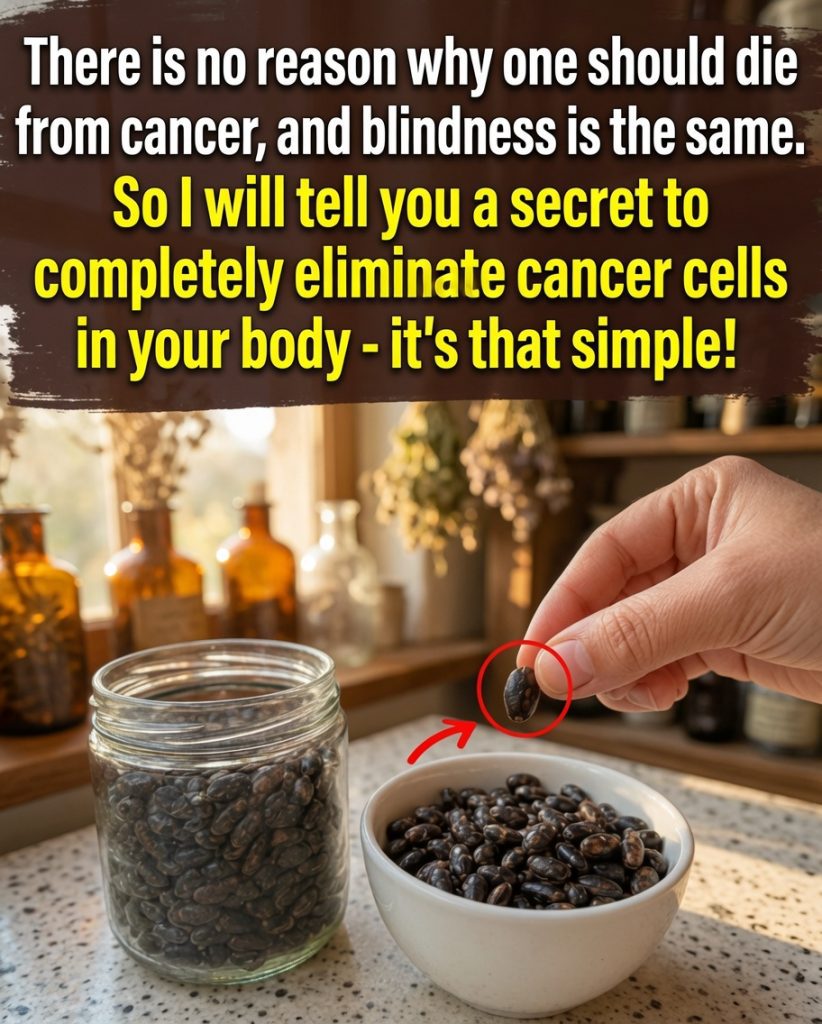
Apple seeds contain amygdalin, a compound that can release cyanide when crushed or chewed. Learn why viral cancer claims are unsafe and what to do instead.
The Truth About Apple Seeds
Apple seeds are not a hidden cure for cancer. They contain a natural compound called amygdalin, which can release cyanide when the seeds are crushed, chewed, or ground.
Swallowing a few seeds whole by accident is usually not a major concern because the hard outer shell may pass through digestion. The risk increases when seeds are intentionally chewed, blended, or eaten in larger amounts.
Why the “Cancer Cure” Claim Is Dangerous
Online posts often describe apple seeds as a natural way to “destroy cancer cells.” This claim is misleading and potentially harmful.
Amygdalin is sometimes marketed as “vitamin B17,” but it is not an essential vitamin and it is not a proven cancer treatment. When broken down in the body, it may produce cyanide, a toxic substance that interferes with the body’s ability to use oxygen.
Possible symptoms of cyanide exposure include:
Dizziness
Nausea
Weakness
Confusion
Headache
Difficulty breathing
These are warning signs, not signs of healing.
Natural Does Not Always Mean Safe
Many people believe that if something comes from nature, it must be harmless. But nature contains both nourishing foods and toxic compounds.
Apples themselves can be part of a healthy diet. They provide fiber, antioxidants, and plant nutrients. The seeds are different and should not be eaten intentionally.
What Actually Matters in Cancer Care
Cancer should be addressed with evidence-based medical care, including proper screening, diagnosis, treatment, and follow-up with qualified healthcare professionals.
No viral post, fruit seed, or “secret remedy” should replace medical advice.
Safer Takeaway
Enjoy the apple. Avoid eating the seeds on purpose. Be cautious with online claims that promise simple cures for serious diseases.
Disclaimer: This article is for informational purposes only and does not replace professional medical advice.