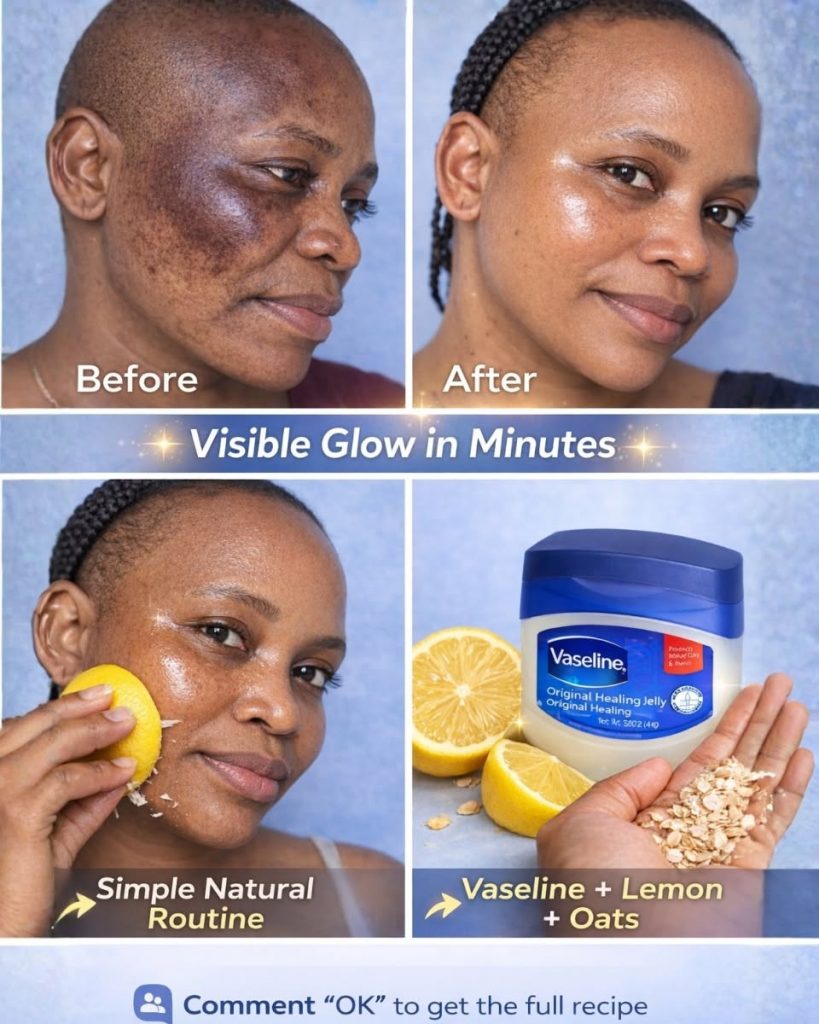
Lemon Juice for Post-Acne Marks: A Simple Natural Ingredient That May Help Support Brighter-Looking Skin
Looking for a Natural Way to Improve the Appearance of Post-Acne Marks?
Even after acne has cleared, many people continue to deal with the visible reminders left behind. Dark spots, uneven skin tone, and lingering redness can sometimes take longer to fade than the blemishes themselves.
While there is no instant solution for post-acne discoloration, some natural ingredients have attracted attention for their potential skin-supporting properties. One of the most commonly discussed is fresh lemon juice.
Rich in vitamin C and naturally occurring fruit acids, lemon has long been used in traditional beauty routines. When used carefully and appropriately, it may help support a brighter, more even-looking complexion over time.
Let’s explore how lemon juice may fit into a gentle skincare routine and what you should know before trying it.
Why Do Acne Marks Often Remain After Breakouts?
When the skin experiences inflammation from acne, it may produce excess pigment during the healing process. This can leave behind dark or reddish marks even after the blemish disappears.
Common types include:
Post-Inflammatory Hyperpigmentation (PIH)
These are flat brown, gray, or dark spots that can linger for weeks or months.
Post-Inflammatory Redness (PIE)
These appear as pink or red marks that remain after inflammation subsides.
Both types typically fade gradually, but many people look for ways to support the skin’s natural renewal process.
What Makes Lemon Juice Interesting for Skin Care?
Lemon contains several naturally occurring compounds that may contribute to healthier-looking skin.
Vitamin C
Vitamin C is a well-known antioxidant that helps protect the skin from environmental stressors. It is also commonly used in skincare products designed to promote a more radiant appearance.
Citric Acid
Citric acid belongs to a group of compounds known as alpha hydroxy acids (AHAs). These ingredients are often included in exfoliating skincare products because they help remove surface dead skin cells.
Natural Plant Compounds
Lemons contain various plant-based antioxidants that may help support overall skin wellness when used appropriately.
Potential Benefits of Lemon Juice for Post-Acne Marks
While individual results vary, some people use diluted lemon juice as part of their skincare routine for the following reasons:
1. May Support a Brighter Appearance
Vitamin C is often associated with promoting a more luminous complexion and helping skin appear more even.
2. Encourages Gentle Surface Exfoliation
The natural acids found in lemon may help remove dull surface cells, allowing fresher skin to become more visible.
3. Supports Skin Renewal
Regular exfoliation can contribute to a smoother-looking texture over time.
4. Helps Promote a More Even Skin Tone
Many skincare products designed for uneven tone rely on ingredients that work similarly to fruit-derived acids.
5. Provides Antioxidant Support
Antioxidants help protect the skin from environmental stress that may contribute to a dull appearance.
6. May Improve Overall Radiance
Some people notice that their skin appears brighter and fresher after incorporating vitamin C-rich ingredients into their routine.
7. Supports Healthy-Looking Texture
Gentle exfoliation may help reduce the appearance of roughness caused by previous breakouts.
8. Affordable and Accessible
Unlike many specialty skincare products, lemons are inexpensive and easy to find.
9. Easy to Combine with Other Natural Ingredients
Many people pair lemon with soothing ingredients such as honey, yogurt, or aloe vera.
10. Can Complement a Balanced Skincare Routine
Lemon works best when combined with cleansing, moisturizing, and sun protection habits.
11. Encourages Consistency
Because it is inexpensive, some individuals find it easier to maintain a routine over time.
12. May Boost Confidence
Feeling good about your skincare routine can contribute positively to overall self-confidence and well-being.
A Simple Diluted Lemon Spot Treatment
Ingredients
- Fresh lemon juice
- Clean water
- Cotton pad
Directions
- Squeeze fresh lemon juice into a small bowl.
- Mix equal parts lemon juice and water.
- Cleanse your face thoroughly.
- Apply only to areas with discoloration.
- Leave on for 5–10 minutes.
- Rinse with lukewarm water.
- Follow with moisturizer.
Use only a few times per week initially and monitor how your skin responds.
A Gentle Lemon and Honey Mask
Ingredients
- 1 tablespoon lemon juice
- 1 tablespoon honey
- 1 teaspoon plain yogurt
Directions
- Mix ingredients thoroughly.
- Apply a thin layer to clean skin.
- Leave on for 10–15 minutes.
- Rinse gently and moisturize.
Honey and yogurt may help provide additional hydration and comfort.
Important Safety Tips
Because lemon juice is naturally acidic, it is important to use caution.
Always Patch Test First
Apply a small amount to your inner arm and wait 24 hours before using it on your face.
Never Use on Broken Skin
Avoid applying lemon juice to active acne lesions, cuts, or irritated areas.
Wear Sunscreen Daily
Sun protection is essential when using exfoliating ingredients, including natural fruit acids.
Stop If Irritation Occurs
If you experience burning, excessive redness, or discomfort, discontinue use.
Sensitive Skin Requires Extra Care
People with sensitive skin may find lemon juice too strong and may prefer professionally formulated vitamin C products instead.
Healthy Habits That Can Support Skin Recovery
In addition to skincare, several lifestyle habits may help support healthier-looking skin:
- Drink adequate water throughout the day.
- Eat colorful fruits and vegetables rich in antioxidants.
- Prioritize quality sleep.
- Avoid picking or squeezing blemishes.
- Use broad-spectrum sunscreen daily.
- Follow a consistent skincare routine.
Final Thoughts
Lemon juice remains a popular natural ingredient because it contains vitamin C, citric acid, and beneficial plant compounds that may support a brighter and more even-looking complexion. While it is not a guaranteed solution for acne marks, some individuals choose to incorporate it into their skincare routine as a simple and affordable option.
The key is patience, consistency, and safe application. Small improvements over time often create the most sustainable results.
Remember that every skin type is different, and consulting a dermatologist is always the best approach if you have persistent discoloration, scarring, or concerns about your skin.
This article is intended for informational and educational purposes only and should not be considered medical advice. Individual results may vary.