Meta Description:
Can dandelion root eliminate cancer cells in just 48 hours? Discover what scientific studies actually found, the difference between laboratory research and human treatment, and how dandelion can fit into a healthy lifestyle.
Can This Plant Help Fight Cancer Cells Within 48 Hours? Separating Fact from Fiction
Cancer remains one of the most challenging health conditions worldwide, affecting millions of people every year. Alongside the physical burden of treatment, many patients and families face emotional stress while searching for reliable information and supportive strategies.
As interest in natural wellness continues to grow, certain plants have attracted scientific attention for their potential biological properties. One of the most discussed is dandelion (Taraxacum officinale).
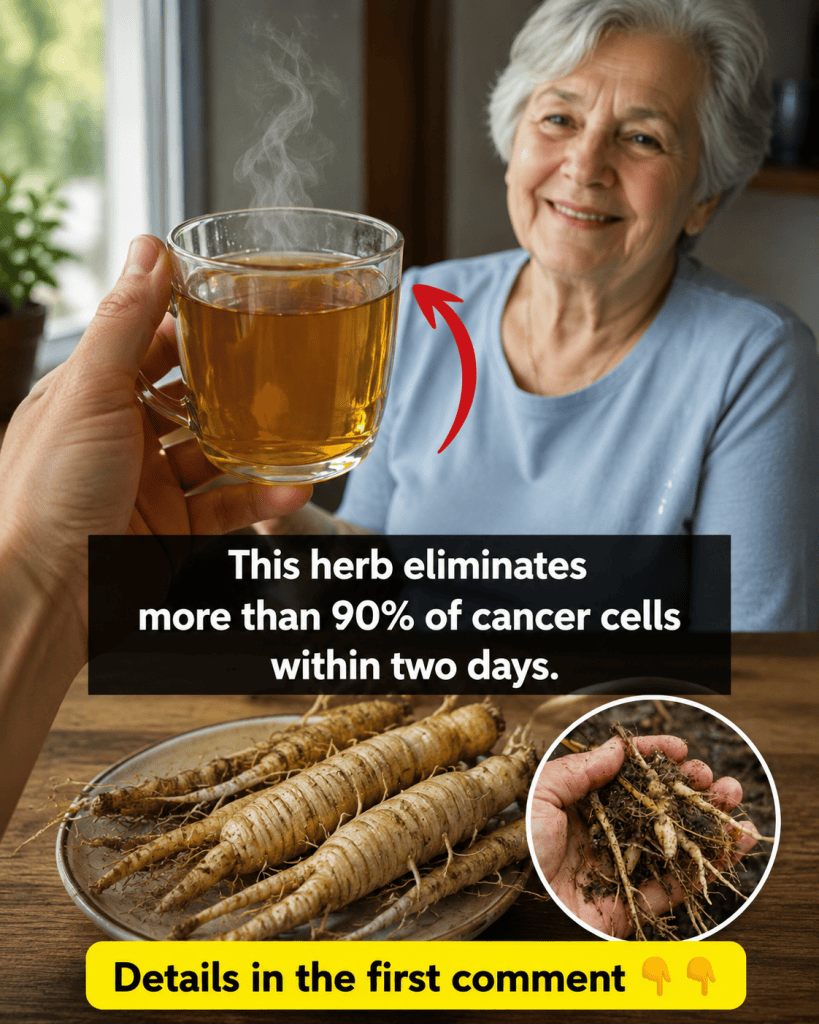
You may have seen headlines claiming that dandelion root destroys cancer cells within 48 hours. But how accurate is this statement?
The answer requires careful context—and that’s exactly what this article provides.
What Is Dandelion?
Dandelion (Taraxacum officinale) is a flowering plant recognized by its bright yellow blossoms that later transform into the familiar white seed heads carried by the wind.
Although often considered a common weed, dandelion has been used for centuries in traditional herbal practices to support:
- Digestive health
- Liver function
- Normal fluid balance
- General wellness
It also contains a variety of nutrients, including:
- Vitamin A
- Vitamin C
- Vitamin K
- Potassium
- Iron
- Natural antioxidants
- Plant polyphenols
In recent years, researchers have become particularly interested in dandelion root extract because of promising laboratory findings.
What Does the Science Actually Say?
Laboratory (In Vitro) Studies
Several laboratory studies have examined how dandelion root extract affects cultured cancer cells.
Researchers observed that the extract could trigger apoptosis, also known as programmed cell death, in certain cancer cell lines, including:
- Colon cancer cells
- Melanoma cells
- Leukemia cells
One frequently cited laboratory study from researchers at the University of Windsor (Canada) reported that dandelion root extract eliminated more than 95% of colon cancer cells in laboratory dishes within approximately 48 hours, while having much less effect on healthy cells under those experimental conditions.
This finding generated significant scientific interest.
However, there is an important distinction to understand.
Laboratory Results Are Not the Same as Human Treatments
Cells growing in laboratory dishes behave very differently from cancer inside the human body.
Laboratory studies help scientists identify promising compounds, but they do not demonstrate that a plant can treat or cure cancer in people.
Before any treatment becomes medically accepted, it must undergo:
- Animal studies
- Safety evaluations
- Human clinical trials
- Regulatory review
At present, this process has not established dandelion root as a proven cancer treatment.
Animal Research
Some animal studies have suggested that dandelion root extract may slow the growth of certain tumors.
Researchers believe that multiple naturally occurring compounds in the root may work together, rather than relying on a single active ingredient.
These findings remain encouraging for future research but are still considered preliminary.
Potential Wellness Benefits of Dandelion
Outside of cancer research, dandelion has traditionally been used for several wellness purposes.
1. May Support Liver Health
Dandelion has long been used in traditional herbal practices to support normal liver function.
Although research is ongoing, it is commonly enjoyed as part of a balanced diet.
2. Rich in Antioxidants
Dandelion contains plant compounds that help protect cells from oxidative stress.
Antioxidants play an important role in maintaining overall cellular health.
3. May Support Healthy Fluid Balance
Traditionally, dandelion has been used as a mild natural diuretic that may help support the body’s normal fluid regulation.
4. May Help Support Normal Inflammatory Responses
Some compounds found in dandelion have demonstrated anti-inflammatory activity in laboratory research.
Maintaining healthy inflammatory balance is important for overall wellness.
How Does Dandelion Compare With Other Popular Herbs?
| Herb | Potential Wellness Benefit | Key Natural Compounds | Research Focus |
|---|---|---|---|
| Dandelion | Liver support, antioxidant activity | Vitamins A, C, K, polyphenols | Laboratory studies on cell health |
| Turmeric | Supports healthy inflammatory responses | Curcumin | Extensive nutrition research |
| Ginger | Digestive support and antioxidant activity | Gingerols | Digestive and inflammation studies |
Each of these herbs contributes unique plant compounds that may complement a healthy lifestyle, but none should be viewed as a replacement for evidence-based medical treatment.
How to Prepare Dandelion Root Tea
If you enjoy herbal teas, dandelion root tea is a traditional option.
Ingredients
- 1–2 teaspoons dried dandelion root
- 1 cup of water
Optional:
- A small amount of honey
Directions
- Wash fresh roots thoroughly if using fresh dandelion.
- Bring the water to a boil.
- Add the dandelion root.
- Simmer gently for 5–10 minutes.
- Strain before serving.
- Add a little honey if desired.
Many people enjoy one or two cups daily as part of a balanced diet.
Important Precautions
Although generally well tolerated by many healthy adults, dandelion may not be appropriate for everyone.
Speak with a healthcare professional before using dandelion if you:
- Take blood-thinning medications
- Use diuretic medications
- Have gallbladder conditions
- Have kidney disease
- Are allergic to plants in the daisy (Asteraceae) family
- Are pregnant or breastfeeding
Herbal products can interact with medications and should be used thoughtfully.
Frequently Asked Questions
Can dandelion cure cancer?
No.
There is no clinical evidence showing that dandelion cures cancer in humans.
While laboratory studies are promising, they are only an early stage of scientific research.
What does the “48-hour” claim actually mean?
The widely shared claim refers to laboratory experiments where dandelion root extract affected cultured cancer cells in petri dishes over approximately 48 hours.
These findings do not mean drinking dandelion tea will produce the same effect in people.
Can I drink dandelion tea every day?
Many healthy adults enjoy dandelion tea in moderation.
If you have chronic health conditions or take prescription medications, consult your healthcare provider first.
Where can I find dandelion root?
Dried dandelion root is commonly available at:
- Health food stores
- Herbal shops
- Some pharmacies
- Reputable online retailers
Choose products from trusted manufacturers that follow quality standards.
Final Thoughts
Dandelion is far more than a common garden plant. Its nutritional profile and promising laboratory research have made it an interesting subject for scientists studying plant compounds and cellular health.
However, it’s essential to interpret headlines carefully.
The much-publicized “48-hour” finding comes from laboratory research, not human clinical trials. At this time, there is no scientific evidence that dandelion tea or dandelion root can treat or cure cancer in people.
If you enjoy dandelion tea, it can be a pleasant addition to an overall healthy lifestyle that includes a balanced diet, regular exercise, quality sleep, and appropriate medical care.
When it comes to serious conditions such as cancer, evidence-based treatment guided by qualified healthcare professionals remains essential.
Disclaimer
This article is intended for educational and informational purposes only. It is not medical advice and should not be used to diagnose, treat, cure, or prevent any disease. Dandelion products should never replace conventional cancer treatment. Always consult a qualified healthcare professional before using herbal supplements, especially if you have a medical condition or take prescription medications.
