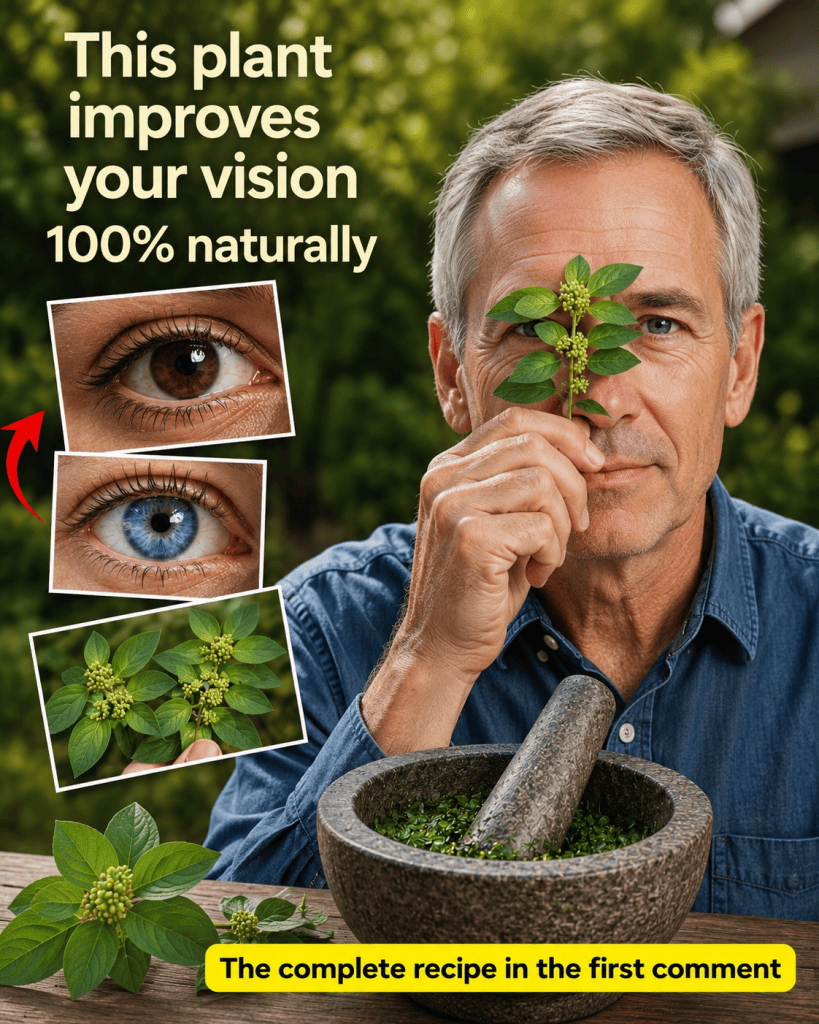
After hours of working on a computer, scrolling through your phone, reading, or driving, do your eyes often feel tired, dry, or strained? Digital lifestyles have made eye fatigue a common part of modern life, leaving many people searching for gentle, natural ways to support everyday eye comfort.
Among the many traditional herbs used throughout history, one humble wild plant has attracted renewed interest: Euphorbia hirta. Often dismissed as a roadside weed, this herb has been used in traditional wellness practices in parts of Asia, Africa, and the Americas for generations.
However, it’s important to understand both its traditional uses and its limitations. While it has an interesting history in herbal medicine, it should be approached with caution—especially when it comes to eye care.
What Is Euphorbia hirta?
Euphorbia hirta, sometimes called the asthma plant or hairy spurge, is a small annual herb commonly found in tropical and subtropical regions.
It typically grows:
- Along roadsides
- In gardens
- In open fields
- Around disturbed soils
Despite its ordinary appearance, it has played an important role in traditional herbal practices for centuries.
How to Identify It
This plant is commonly recognized by:
- 🌿 Broad oval leaves covered with fine hairs
- 🍃 A distinctive reddish or purple central leaf vein
- 🌸 Tiny clustered flowers
- 🌱 Pinkish or reddish stems
- ⚪ A white milky sap released when stems or leaves are broken
Most plants remain under 40 cm (16 inches) tall and spread close to the ground.
Why Has It Been Used Traditionally?
In several traditional healing systems, particularly in parts of Southeast Asia and Africa, Euphorbia hirta has been used as part of herbal practices intended to promote eye comfort and overall wellness.
Traditional practitioners often describe the herb as having cooling and soothing qualities that may help relieve the feeling of tired eyes after daily activities.
An Important Safety Note
One fact cannot be emphasized enough:
The fresh plant or its milky sap should never be placed directly into the eyes.
Traditional uses have generally focused on external applications only, such as carefully prepared compresses placed over closed eyelids or gentle application around—not inside—the eye area.
The white latex found in many Euphorbia species may be irritating to the skin and eyes, making proper handling essential.
What Does Research Suggest?
Modern research into Euphorbia hirta is still developing. While laboratory and animal studies have identified several promising properties, human clinical research—especially regarding eye comfort—remains limited.
Current studies have identified compounds that may possess:
- Antioxidant activity
- Anti-inflammatory properties
- Mild antimicrobial effects
These findings help explain why the plant has remained part of traditional herbal practices for generations, but they do not prove that it treats eye diseases or improves vision.
Potential Wellness Benefits
🌿 Rich in Natural Antioxidants
The plant contains naturally occurring compounds such as:
- Flavonoids
- Polyphenols
- Other plant antioxidants
Antioxidants help protect cells from oxidative stress, which is associated with normal aging and environmental exposure.
🌱 Traditionally Associated with Soothing Effects
Traditional herbal practitioners have long valued the herb for its cooling sensation and ability to promote comfort after extended periods of reading or screen use.
Although these traditional observations are widely shared, scientific confirmation in humans remains limited.
🍃 May Support Healthy Inflammatory Balance
Experimental studies have reported anti-inflammatory activity in extracts of Euphorbia hirta, suggesting possible benefits for general tissue wellness.
However, these findings should not be interpreted as evidence that the plant treats eye inflammation or medical conditions.
Traditional Ways the Herb Has Been Used
Always consult a qualified healthcare professional before trying any herbal preparation.
1. Warm Leaf Compress
One traditional method involves:
- Washing the leaves thoroughly
- Warming them gently (never hot)
- Placing them over closed eyelids for 10–15 minutes
This practice has traditionally been used to encourage relaxation after prolonged visual tasks.
2. External Herbal Paste
Some traditions prepare a soft paste from clean leaves.
A very small amount may be applied only to the temples or the bony area surrounding the eyes.
Never apply the paste inside the eye or directly on the eyelids near the eye opening.
3. Mild Herbal Tea
Some communities prepare a lightly brewed tea from dried Euphorbia hirta.
Rather than being promoted specifically for eye health, it is generally consumed as part of broader traditional wellness practices.
As with any herbal beverage, moderation is recommended.
Traditional Uses at a Glance
| Traditional Practice | Intended Traditional Purpose | Typical Duration | Ease of Use |
|---|---|---|---|
| Warm leaf compress | Relaxation after screen use | 10–15 minutes | Easy |
| External herbal paste | Cooling sensation around the eye area | 10–20 minutes | Moderate |
| Mild herbal tea | General wellness support | Occasionally | Easy |
Why Has This Plant Become Popular Online?
In recent years, social media has featured numerous videos claiming that Euphorbia hirta can dramatically improve eyesight in a short period of time.
These viral claims have generated significant interest—but they have also created unrealistic expectations.
Currently, there is no reliable scientific evidence showing that this plant can restore vision, permanently improve eyesight, or cure eye diseases.
Its traditional value lies in supporting everyday comfort—not performing miracles.
How to Explore This Herb Responsibly
If you’re interested in learning more about Euphorbia hirta, consider these safety guidelines:
✅ Identify It Carefully
Look for:
- Fine hairs on the leaves
- A reddish central vein
- White milky sap
- Small clustered flowers
✅ Perform a Patch Test
Before any external use:
- Apply a tiny amount to the inner forearm.
- Wait 24 hours.
- Discontinue use if irritation develops.
✅ Use Only Clean Plants
Choose plants from pesticide-free areas and wash them thoroughly before handling.
✅ External Use Only
Never place:
- Fresh sap
- Leaf juice
- Herbal extracts
- Homemade preparations
inside the eyes or near the eye opening.
✅ Combine with Proven Eye-Friendly Habits
Support daily eye comfort by:
- Following the 20-20-20 rule (every 20 minutes, look at something 20 feet away for 20 seconds)
- Staying hydrated
- Taking regular screen breaks
- Getting enough sleep
- Maintaining good lighting while reading
✅ Consult a Professional
If you have eye pain, blurred vision, persistent redness, or any diagnosed eye condition, seek advice from an eye care professional rather than relying on herbal remedies.
Frequently Asked Questions
Is Euphorbia hirta safe for everyone?
Not necessarily. The plant’s milky latex may irritate sensitive skin and eyes. It is generally best avoided during pregnancy, breastfeeding, or by individuals with known allergies to Euphorbia species unless advised otherwise by a qualified professional.
Can it permanently improve eyesight?
No. Current scientific evidence does not support claims that Euphorbia hirta restores vision or permanently improves eyesight.
Where does it grow?
It naturally grows throughout many tropical and subtropical regions and may also be available through reputable herbal suppliers.
Final Thoughts
Although Euphorbia hirta is often overlooked as a common roadside weed, it has a fascinating history in traditional herbal medicine. Its naturally occurring antioxidants and historically documented external uses have made it an interesting subject for those exploring natural wellness traditions.
Still, its greatest value lies in supporting general comfort as part of a healthy lifestyle—not replacing professional eye care or treating medical conditions.
Nature offers many intriguing plants worth learning about, but responsible use, realistic expectations, and evidence-based healthcare should always come first.
Disclaimer
This article is intended for educational and informational purposes only. It is not medical advice and should not be used to diagnose, treat, cure, or prevent any disease. Always consult a qualified healthcare professional before using herbal remedies, especially for eye-related concerns. Individual responses may vary, and some plants may cause irritation or allergic reactions. Never place any homemade preparation or plant material directly into the eyes.