Euphorbia Hirta: Benefits, Recipes, and Traditional Medicinal Properties
A Traditional Herb Valued in Natural Wellness
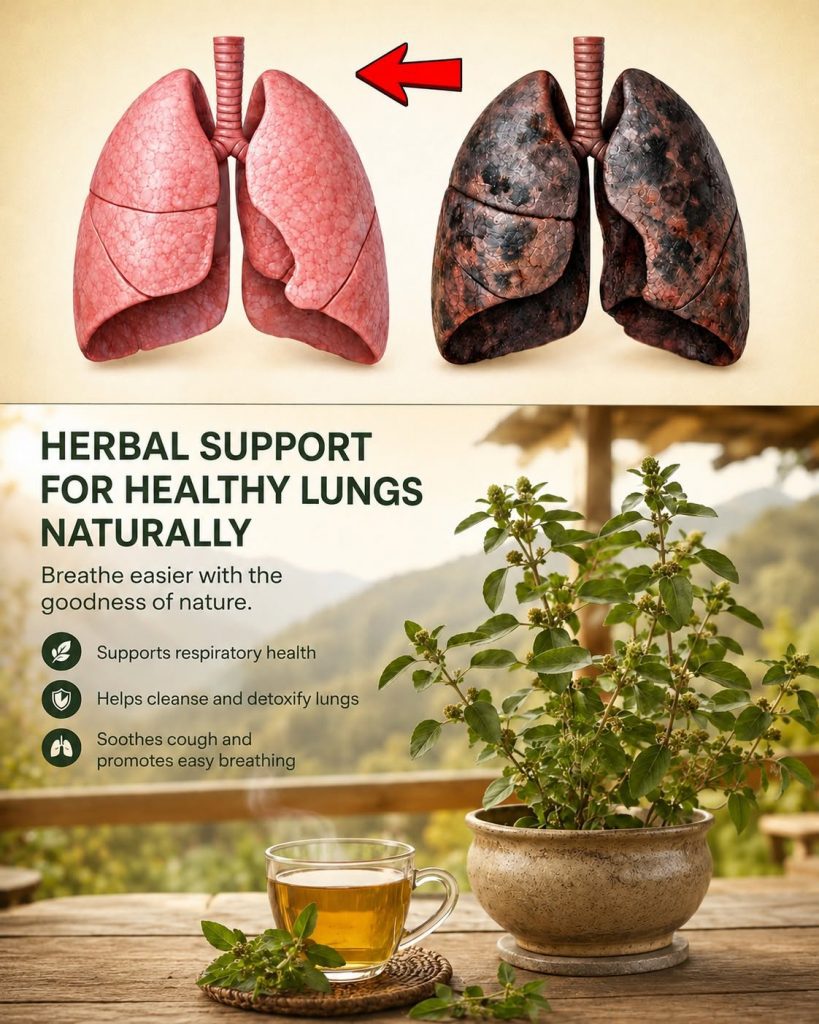
Euphorbia hirta is a small herbal plant traditionally used in many cultures to support respiratory comfort, digestion, and skin wellness. Depending on the region, it may also be known as asthma weed, snakeweed, or milkweed.
For generations, this herb has been prepared as herbal tea, tonic, or topical applications as part of traditional wellness practices. Today, many people continue to explore its natural properties as part of a balanced lifestyle.
⚠️ This article is for educational purposes only and does not replace professional medical advice, diagnosis, or treatment.
Table of Contents
- Herbal Tea for Respiratory Comfort
- Digestive Herbal Tonic
- Herbal Poultice for Skin Care
- Traditional Properties of Euphorbia Hirta
- Safety Precautions
- Final Thoughts
1. Herbal Tea with Euphorbia Hirta for Respiratory Comfort
Ingredients
- 1 tablespoon dried Euphorbia hirta leaves
- 250 ml water
- Honey (optional)
Preparation
- Bring the water to a gentle boil.
- Add the dried leaves.
- Let steep for about 10 minutes.
- Strain and add honey if desired.
Suggested Use
Drink one cup in the morning and another before bedtime for up to 7 days.
Traditionally Associated Benefits
This herbal infusion has traditionally been used to:
- Support easier breathing
- Help soothe occasional coughs
- Encourage mucus clearance
- Provide natural expectorant support
- Promote respiratory comfort
- Support bronchial relaxation
- Encourage restful sleep
- Help the body feel more relaxed during seasonal discomfort
- Support immune wellness
- Promote general respiratory balance
Many people appreciate this tea during colder months or seasonal changes as part of a comforting herbal routine.
🌿 If you enjoy natural wellness recipes, continue reading to discover additional traditional uses of Euphorbia hirta.
2. Digestive Herbal Tonic with Euphorbia Hirta
Ingredients
- 1 tablespoon fresh Euphorbia hirta (leaves and stems)
- 1 cup water
- Juice of half a lemon
- A pinch of salt
Preparation
- Simmer the herb in water for about 5 minutes.
- Allow it to cool slightly.
- Strain the liquid.
- Add lemon juice and a small pinch of salt.
Suggested Use
Consume after meals for up to 5 consecutive days.
Traditionally Associated Benefits
This herbal tonic is commonly used in traditional practices to:
- Support digestion
- Help reduce occasional bloating
- Promote digestive comfort
- Support healthy bowel movement regularity
- Encourage stomach balance
- Support liver wellness naturally
- Help ease mild digestive heaviness
- Promote intestinal wellness
- Support a balanced digestive system
- Encourage overall digestive relaxation
The refreshing combination of lemon and herbs creates a light tonic that many people enjoy after meals.
✨ Discover another traditional preparation below and explore more gentle herbal wellness ideas.
3. Euphorbia Hirta Poultice for Skin Wellness
Ingredients
- 2 tablespoons fresh Euphorbia hirta leaves
- 1 tablespoon coconut oil
- Clean cloth or gauze
Preparation
- Crush the fresh leaves into a paste.
- Mix with coconut oil until smooth.
- Apply gently to the desired area.
- Cover with a clean cloth for about 20 minutes.
Suggested Use
Apply once daily for up to 5 days.
Traditionally Associated Benefits
In folk wellness traditions, this preparation may help:
- Calm irritated skin
- Support skin hydration
- Soothe temporary redness
- Promote skin comfort
- Support the skin’s natural barrier
- Encourage healthy-looking skin
- Help maintain soft skin texture
- Support natural cleansing of the skin surface
- Promote a refreshed appearance
Because every skin type is different, a small patch test is recommended before wider use.
🌱 Traditional herbal remedies are often most effective when combined with balanced nutrition, hydration, and good self-care habits.
Traditional Properties of Euphorbia Hirta
This plant has traditionally been associated with several natural properties, including:
- Anti-inflammatory support
- Antioxidant compounds
- Herbal cleansing properties
- Respiratory support
- Digestive support
- Skin-soothing potential
- Natural relaxing effects
- Traditional antimicrobial uses
Researchers continue to study many herbs used in traditional medicine to better understand their active compounds and potential wellness applications.
Precautions and Responsible Use
Although Euphorbia hirta is widely used in traditional herbal practices, it should always be used carefully and responsibly.
Important Precautions
- Avoid use during pregnancy or breastfeeding unless advised by a healthcare professional.
- Do not exceed moderate amounts.
- Perform a skin patch test before topical application.
- Individuals with chronic conditions or those taking medication should consult a qualified healthcare provider before using herbal remedies regularly.
- Stop use if irritation or discomfort occurs.
Natural remedies can support wellness, but they are not intended to replace medical care.
Final Thoughts
Euphorbia hirta remains a respected herb in many traditional wellness systems thanks to its versatility and gentle herbal applications. Whether prepared as tea, tonic, or topical care, it continues to be appreciated for supporting respiratory comfort, digestive balance, and skin wellness naturally.
When used thoughtfully and in moderation, traditional herbal practices can become part of a healthy lifestyle focused on balance, hydration, nutritious foods, and overall well-being.