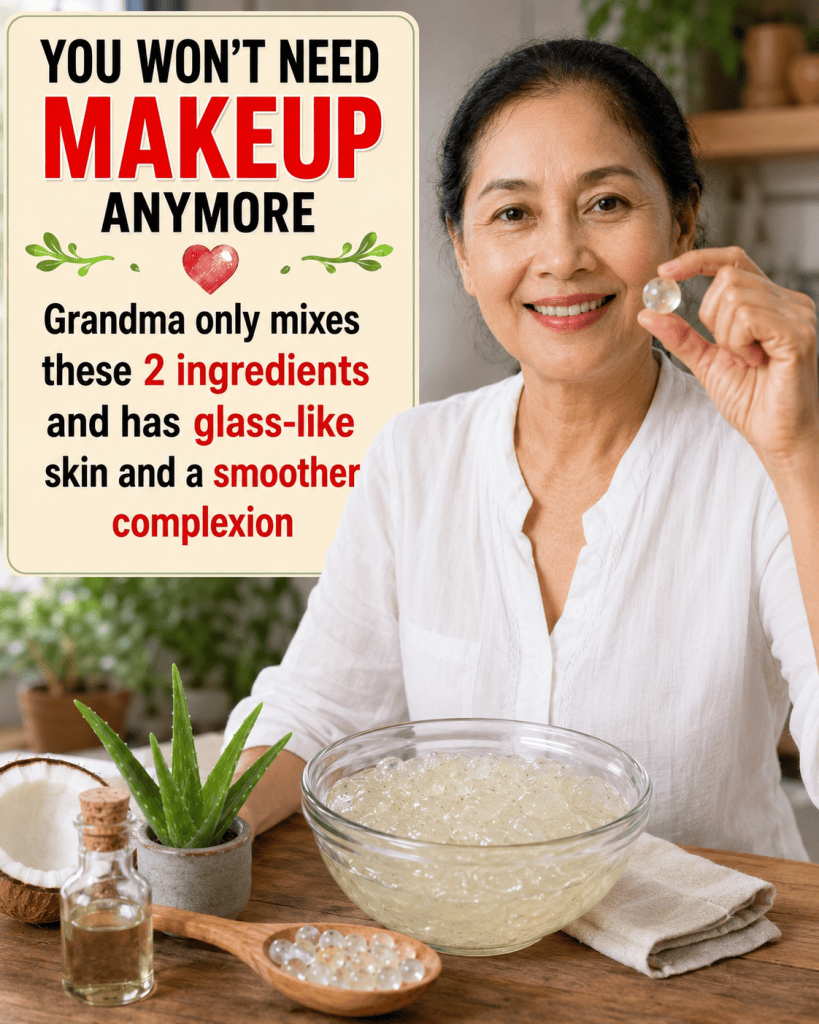
Every day, millions of people search for natural ways to care for their skin. Social media is filled with videos promising “glass skin,” wrinkle-free complexions, and dramatic transformations using ingredients found in almost every kitchen.
Lemon. Baking soda. Sugar. Honey. Coffee grounds.
These recipes often look simple, inexpensive, and incredibly convincing.
But here’s what many viral videos don’t explain: natural doesn’t always mean gentle or safe for your skin.
While some kitchen ingredients can be enjoyable in homemade skincare, others may actually irritate the skin or damage its natural protective barrier—especially for mature or sensitive skin.
Let’s separate myths from facts and explore what truly supports healthy, glowing skin.
Why DIY Skincare Has Become So Popular
Homemade skincare appeals to many people because it seems:
- Affordable
- Easy to make
- “Chemical-free”
- Natural
- Quick
Watching someone achieve seemingly perfect skin in a 30-second video can be incredibly persuasive.
But social media often highlights dramatic before-and-after images without showing:
- Skin type differences
- Possible irritation
- Long-term results
- Scientific evidence
- Potential risks
Healthy skin rarely changes overnight.
Real improvements usually come from consistent care—not instant solutions.
The Hidden Risks of Some Popular DIY Recipes
Not every ingredient belongs on your face.
Some commonly recommended homemade treatments may actually do more harm than good.
Lemon Juice 🍋
Lemon contains natural acids that can be very irritating to facial skin.
Using lemon directly on the skin may increase the risk of:
- Irritation
- Dryness
- Increased sensitivity
- Dark spots after sun exposure (phytophotodermatitis)
If lemon-treated skin is exposed to sunlight, discoloration can sometimes occur.
Baking Soda
Baking soda is much more alkaline than healthy skin.
Healthy skin naturally has a slightly acidic protective barrier.
Applying baking soda regularly may:
- Disrupt the skin barrier
- Increase dryness
- Cause irritation
- Make sensitive skin more reactive
Sugar Scrubs
Sugar is often promoted as a natural exfoliant.
However, coarse sugar crystals have uneven edges that can create tiny surface abrasions.
Over-exfoliation may lead to:
- Redness
- Irritation
- Increased sensitivity
- Damage to the skin barrier
Gentle exfoliation is usually a safer approach.
Why Mature Skin Needs Extra Care
As we age, our skin naturally changes.
Common changes include:
- Reduced collagen production
- Less natural oil
- Slower cell turnover
- Thinner skin
- Increased dryness
Because of these changes, mature skin often becomes more sensitive to harsh ingredients.
Even mild irritation may take longer to heal.
That’s why gentle, consistent care usually works better than aggressive treatments.
What Actually Helps Keep Skin Healthy?
Good skincare doesn’t require miracle ingredients.
Dermatologists generally recommend focusing on a few evidence-based habits.
1. Wear Sunscreen Every Day ☀️
Daily sun protection is one of the most effective ways to help reduce premature skin aging.
UV exposure contributes to:
- Fine lines
- Uneven skin tone
- Loss of firmness
- Sun spots
Broad-spectrum sunscreen is beneficial even on cloudy days.
2. Moisturize Regularly 💧
Well-hydrated skin often looks:
- Softer
- Smoother
- More comfortable
- Healthier
Choose a moisturizer that suits your skin type and apply it consistently.
3. Cleanse Gently
A gentle facial cleanser helps remove:
- Dirt
- Makeup
- Excess oil
- Environmental pollutants
Avoid harsh soaps that leave your skin feeling tight or stripped.
4. Choose Ingredients Backed by Research
Many skincare professionals recommend ingredients with strong scientific support, such as:
- Vitamin C
- Retinoids (Vitamin A derivatives)
- Niacinamide
- Ceramides
- Hyaluronic acid
These ingredients have been studied extensively for supporting healthy-looking skin.
Comparing Different Approaches
| Approach | Expected Results | Risk Level |
|---|---|---|
| Viral DIY kitchen recipes | Unpredictable and largely unproven | Higher |
| Evidence-based skincare products | Gradual, consistent improvements | Generally lower when used correctly |
| No skincare routine | Skin may become drier and more vulnerable to environmental stress | Moderate to higher |
The safest path is often a simple routine you can maintain over time.
Benefits of a Consistent Skincare Routine
1. Skin Feels More Comfortable
Proper cleansing and moisturizing help reduce feelings of tightness and dryness.
2. Better Hydration
Well-moisturized skin often appears smoother and more radiant.
3. More Even-Looking Skin
Daily sun protection helps reduce the appearance of uneven pigmentation over time.
4. Stronger Skin Barrier
Healthy skincare supports the skin’s natural protective barrier.
5. Softer Texture
Consistent hydration helps improve overall skin feel.
6. Less Irritation
Avoiding harsh DIY treatments may help reduce redness and sensitivity.
7. Greater Confidence
Healthy skin isn’t about perfection.
Feeling comfortable in your own skin can boost confidence at every age.
A Simple Beginner-Friendly Skincare Routine
If you’re just getting started, keep it simple.
Morning
- Cleanse gently
- Apply moisturizer
- Finish with sunscreen
Evening
- Remove makeup if needed
- Cleanse gently
- Apply moisturizer
- Add an active ingredient only if appropriate for your skin
Simple routines are often easier to maintain consistently.
Always Patch Test New Products
Before applying any new skincare product—or even a natural ingredient—to your face:
- Apply a small amount behind your ear or on your inner arm.
- Wait 24 hours.
- Watch for redness, itching, or irritation.
This simple step may help prevent larger reactions.
How to Recognize Reliable Skincare Advice
Before trying a new skincare trend, ask yourself:
Does it promise instant results?
Healthy skin naturally renews itself over several weeks—not overnight.
Does it mention possible risks?
Trustworthy advice explains both benefits and limitations.
Is it supported by evidence?
Recommendations from dermatologists or reputable health organizations are generally more reliable than viral social media trends.
Frequently Asked Questions
Are natural ingredients always safe?
No. Natural ingredients can still cause irritation, allergic reactions, or skin damage in some people.
Is lemon good for the face?
Applying undiluted lemon juice directly to the skin is generally not recommended because it may increase irritation and photosensitivity.
How long does it take to see skincare results?
Many skincare products require several weeks of consistent use before noticeable improvements appear.
Do expensive products work better?
Not necessarily. Many affordable products contain the same well-researched active ingredients found in premium skincare lines.
Final Thoughts
Healthy skin doesn’t come from chasing every viral trend. It comes from building simple habits that support your skin day after day.
Instead of relying on harsh homemade recipes with uncertain results, focus on gentle cleansing, regular moisturizing, daily sun protection, and skincare ingredients supported by scientific research.
The best skincare routine is not the most complicated—it’s the one you can follow consistently while respecting your skin’s natural needs.
Beautiful skin is built over time through patience, balance, and thoughtful care—not overnight miracles.
Disclaimer: This article is for informational and educational purposes only and should not be considered medical advice. Skin types vary, and even natural ingredients may cause irritation or allergic reactions. Consult a board-certified dermatologist or qualified healthcare professional if you have persistent skin concerns, severe irritation, or questions about the best skincare routine for your individual needs.