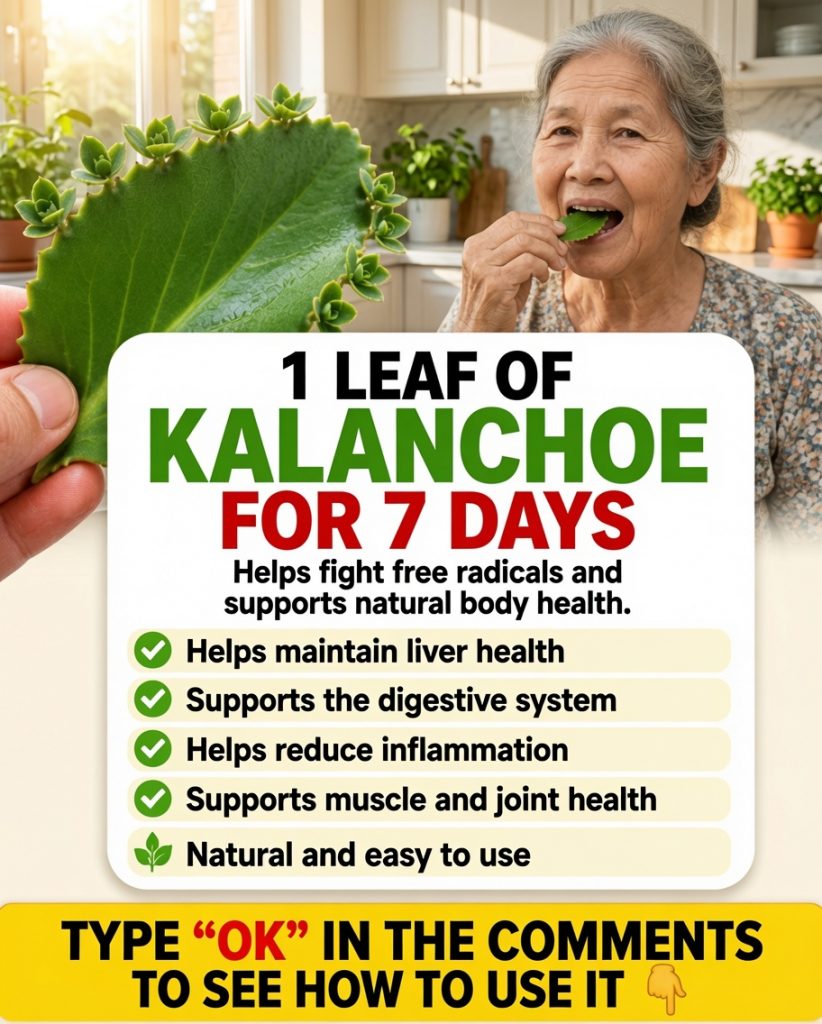
Discover the traditional uses of Kalanchoe, its potential health-supporting properties, current scientific research, safe preparation methods, and important precautions before use.
Kalanchoe: A Fascinating Plant with a Long History in Traditional Wellness
Kalanchoe is a succulent plant that has attracted growing interest among herbal enthusiasts and researchers alike. Native to Madagascar and now cultivated throughout many tropical and subtropical regions, this hardy plant is admired not only for its ornamental beauty but also for its long history in traditional medicine.
For generations, different species of Kalanchoe have been used in folk practices to support skin health, digestive comfort, respiratory wellness, and overall vitality. Today, scientists continue to investigate its naturally occurring compounds to better understand their biological activity.
While early laboratory findings are promising, it’s important to remember that Kalanchoe is not a proven treatment for any disease, and much more human research is needed.
What Is Kalanchoe?
Kalanchoe belongs to the Crassulaceae family of succulent plants.
Several species have been used traditionally, including:
Kalanchoe pinnata
Kalanchoe daigremontiana
Kalanchoe gastonis-bonnieri
These plants are rich in naturally occurring compounds such as:
Flavonoids
Polyphenols
Triterpenes
Antioxidants
Bufadienolides
Researchers continue studying these compounds because of their potential biological activity.
Potential Health-Supporting Properties
1. May Help Support a Healthy Inflammatory Response
Traditional herbal practices have long used Kalanchoe to support comfort in muscles, joints, and skin.
Laboratory studies suggest certain plant compounds possess anti-inflammatory activity, although more clinical research is needed.
2. A Growing Area of Cancer Research
One of the most discussed topics surrounding Kalanchoe involves laboratory studies investigating some of its naturally occurring compounds.
Researchers have explored whether certain extracts may influence the behavior of specific cells under laboratory conditions.
However, these findings should not be interpreted as evidence that Kalanchoe treats or prevents cancer in humans.
Clinical trials are still needed, and Kalanchoe should never replace evidence-based cancer treatment.
3. Supports Antioxidant Defense
Kalanchoe contains antioxidants that help protect cells from oxidative stress.
Antioxidants contribute to overall wellness by helping neutralize free radicals produced through normal metabolism and environmental exposure.
4. Traditionally Used for Skin Care
In traditional herbal medicine, fresh Kalanchoe leaves have often been applied externally to support the skin.
Some people have traditionally used them to help soothe:
Minor skin irritation
Small cuts
Superficial abrasions
Scientific evidence in humans remains limited.
5. May Support Natural Immune Function
The plant’s antioxidant compounds may contribute to maintaining normal immune function as part of a healthy lifestyle.
This does not mean Kalanchoe prevents infections or replaces medical care.
6. May Promote Digestive Comfort
Traditional herbal systems have sometimes used Kalanchoe to support:
Comfortable digestion
Reduced feelings of bloating
Overall gastrointestinal wellness
These traditional uses have not been fully confirmed by modern clinical studies.
7. Traditionally Used for Respiratory Wellness
Some cultures have prepared herbal infusions of Kalanchoe to support respiratory comfort during seasonal illnesses.
Again, these are traditional practices rather than medically established treatments.
8. Supports General Skin Appearance
A diet rich in antioxidant-containing plants contributes to overall skin health.
Kalanchoe has traditionally been included among many herbs valued for supporting healthy-looking skin.
9. May Encourage Relaxation
Some traditional herbal practitioners have associated Kalanchoe with calming routines and evening wellness rituals.
Scientific evidence supporting effects on sleep or relaxation remains limited.
10. Mild Diuretic Activity
Some traditional uses describe Kalanchoe as supporting normal fluid balance through mild diuretic effects.
Anyone with kidney disease or fluid balance disorders should consult their healthcare provider before using herbal preparations.
11. May Support Circulatory Wellness
Preliminary laboratory studies have explored potential cardiovascular effects of certain Kalanchoe compounds.
However, no conclusions can currently be drawn regarding human heart health.
12. Traditionally Used in Oral Care
Fresh leaves have occasionally been used in traditional oral hygiene practices.
This should never replace regular brushing, flossing, or professional dental care.
13. Research Into Glucose Metabolism
Some experimental studies have investigated whether certain compounds found in Kalanchoe influence glucose metabolism.
These findings remain preliminary and should not be interpreted as evidence that the plant treats diabetes.
14. May Contribute to Overall Cellular Health
Its antioxidant compounds help support the body’s normal defenses against oxidative stress.
This is one reason Kalanchoe continues to attract scientific interest.
15. A Valuable Traditional Botanical
Even where scientific evidence is still developing, Kalanchoe remains an important part of herbal traditions in many cultures.
Its long history reflects cultural knowledge passed down through generations.
How Is Kalanchoe Traditionally Used?
Only use species that have been traditionally identified for herbal use and obtained from reliable sources.
Always wash leaves thoroughly before use.
Herbal Tea
Ingredients
3 fresh Kalanchoe leaves
1 liter water
Directions
Bring the water to a boil.
Add chopped leaves.
Remove from heat.
Steep for about 15 minutes.
Strain before drinking.
Many people enjoy small amounts occasionally rather than daily.
Fresh Smoothie
Ingredients
2 small Kalanchoe leaves
1 ripe banana
1 cup pineapple
1 cup spinach
1 cup coconut water
1 tablespoon chia seeds
Blend until smooth and enjoy immediately.
Fresh Juice
Some traditional preparations combine a small amount of fresh Kalanchoe with water before blending.
Because standardized dosing has not been established, moderation is recommended.
Important Safety Considerations
Kalanchoe is not appropriate for everyone.
Some species contain compounds called bufadienolides, which may be toxic in excessive amounts.
Avoid regular use unless advised by a qualified healthcare professional.
Do not use Kalanchoe if you:
Are pregnant or breastfeeding
Have heart disease unless medically supervised
Take prescription medications without consulting your healthcare provider
Have known allergies to the plant
Large amounts may cause digestive upset such as nausea or diarrhea.
Frequently Asked Questions
Can Kalanchoe treat cancer?
No. Although laboratory studies have explored certain compounds found in Kalanchoe, there is no clinical evidence that it treats or cures cancer in humans.
Is it safe to drink every day?
Long-term daily use has not been established as safe. Consult a healthcare professional before regular consumption.
Which species are most commonly used?
Traditional herbal practices most often reference:
Kalanchoe pinnata
Kalanchoe daigremontiana
Kalanchoe gastonis-bonnieri
Proper identification is essential.
Can it replace prescribed medications?
No. Kalanchoe should never replace treatments recommended by your healthcare provider.
Final Thoughts
Kalanchoe is a fascinating plant with centuries of traditional use and a growing body of scientific research exploring its naturally occurring compounds. Its antioxidants and bioactive substances continue to attract interest for their potential roles in supporting general wellness, but current evidence remains preliminary for many health claims.
Rather than viewing Kalanchoe as a miracle remedy, it is best appreciated as one component of a healthy lifestyle that includes balanced nutrition, regular physical activity, quality sleep, stress management, and appropriate medical care. If you are considering using Kalanchoe regularly, consult a qualified healthcare professional to ensure it is appropriate for your individual health needs.
Disclaimer: This article is for educational purposes only and is not intended to diagnose, treat, cure, or prevent any disease. Always seek professional medical advice before using herbal products, particularly if you have existing health conditions or take prescription medications.