Meta Description:
Discover the facts behind the popular toothpaste and citrus juice hair removal trend. Learn how it may affect your skin, safer alternatives for smooth skin, and simple skincare habits that help protect your skin barrier.
Is the Toothpaste Hair Removal Trend Really Worth Trying?
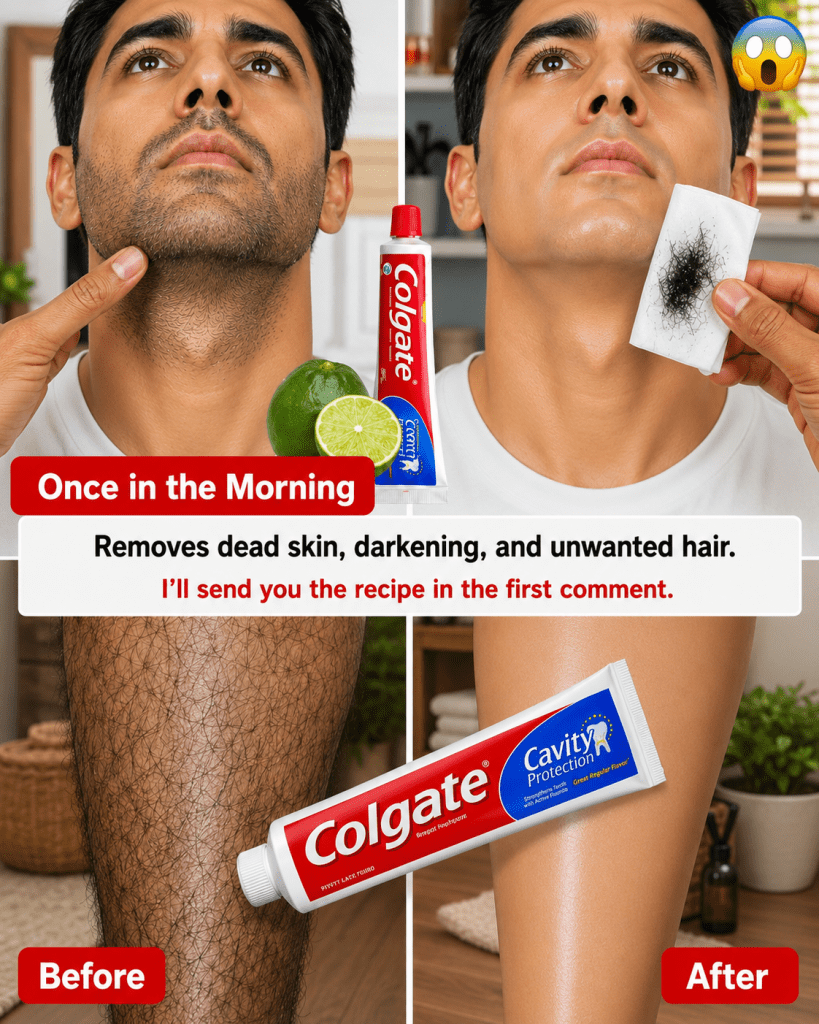
Social media is full of beauty shortcuts promising smooth, hair-free skin using ingredients already sitting in your kitchen. One of the most talked-about trends combines ordinary toothpaste with fresh lemon or lime juice, claiming it can quickly remove unwanted hair and leave the skin looking brighter.
The dramatic before-and-after videos have captured millions of views, especially among women looking for affordable beauty solutions.
But does this homemade mixture actually work the way people claim?
Let’s explore what really happens when toothpaste and citrus juice are applied to the skin—and why dermatologists generally recommend a more gentle approach.
Why This DIY Beauty Trend Became So Popular
The appeal is easy to understand.
The ingredients are inexpensive, readily available, and the videos often show cloths lifting away tiny hairs, creating the impression that the mixture works like a professional hair-removal treatment.
However, appearances can sometimes be misleading.
Understanding the science behind the mixture helps explain the results.
What Happens When Toothpaste and Citrus Juice Are Mixed?
Traditional toothpaste contains ingredients designed specifically for cleaning teeth, including:
- Mild polishing agents
- Baking soda (in some formulas)
- Cleansing surfactants
- Flavoring ingredients
- Moisture-retaining compounds
Fresh lemon and lime juice naturally contain:
- Vitamin C
- Citric acid
- Natural plant compounds
When combined, the mixture may produce a cooling or tingling sensation on the skin. Some people interpret this feeling as evidence that the mixture is “working.”
In reality, the sensation comes largely from the acidity of citrus and ingredients formulated for oral—not skin—care.
Why Does It Sometimes Look Like Hair Is Being Removed?
One reason this trend appears convincing is its texture.
After the mixture dries, it forms a thin layer over the skin.
When rubbed away with a cloth, friction helps lift:
- Loose surface debris
- Fine peach fuzz
- Dead skin cells
- Small particles trapped on the skin
The cloth may collect tiny hairs, making it appear as though the mixture has removed hair from the roots.
In most cases, however, it is simply catching fine hairs at the surface rather than affecting hair growth.
How Mature Skin Responds Differently
As we age, our skin naturally becomes:
- Thinner
- Drier
- More delicate
- Less able to retain moisture
Because of these changes, mature skin deserves extra care.
Products intended for teeth are not designed for facial or body skin, especially areas that are already sensitive.
Possible Effects on the Skin Barrier
Your skin barrier serves as your body’s natural shield.
It helps retain moisture while protecting against environmental irritants.
Repeated use of harsh homemade mixtures may interfere with that protective barrier.
Potential concerns include:
1. Temporary Dryness
Some toothpaste ingredients can remove part of the skin’s natural oils, leaving skin feeling tight or dry.
2. Increased Sun Sensitivity
Fresh citrus juice contains naturally occurring compounds that may increase skin sensitivity to sunlight.
For some individuals, applying citrus before sun exposure may contribute to dark spots or uneven pigmentation.
3. Irritation From Friction
Removing the dried mixture often requires vigorous rubbing.
This mechanical friction may irritate delicate skin, particularly on the face or neck.
Gentler Ways to Achieve Smooth Skin
Fortunately, there are many skin-friendly alternatives.
For Fine Facial Hair
Facial razors and dermaplaning tools designed for sensitive skin can gently remove fine hairs while minimizing irritation.
For Brighter-Looking Skin
Instead of applying fresh lemon directly to the skin, consider skincare products formulated with stabilized Vitamin C, which are specifically developed for topical use.
For Larger Areas
Hair removal creams made for sensitive skin are formulated to help remove unwanted hair while including moisturizing ingredients that support skin comfort.
Always follow the product instructions carefully and perform a patch test first.
Healthy Skin Starts With Protecting the Skin Barrier
Beautiful skin isn’t only about removing hair.
It’s also about maintaining:
- Hydration
- Elasticity
- Comfort
- A healthy protective barrier
Simple daily habits often provide longer-lasting benefits than harsh DIY treatments.
One Skincare Habit Many People Overlook
One of the easiest ways to support skin hydration is following the 60-Second Moisture Rule.
After cleansing, exfoliating, or hair removal:
✅ Gently pat the skin dry.
✅ Apply a moisturizer within 60 seconds.
This simple step helps lock in remaining moisture before it evaporates, supporting softer and more comfortable skin.
Additional Tips for Healthy-Looking Skin After 50
Daily habits can make a noticeable difference over time:
- Drink enough water throughout the day.
- Use sunscreen every morning.
- Moisturize consistently.
- Choose fragrance-free products if your skin is sensitive.
- Avoid excessive rubbing or harsh exfoliation.
- Patch-test new skincare products before full application.
Small, consistent routines often deliver better long-term results than viral shortcuts.
Final Thoughts
The toothpaste and citrus hair removal trend may appear impressive in online videos, but it is not designed as a skincare treatment and may not provide the results many people expect.
If your goal is smoother, healthier-looking skin, choosing products formulated specifically for skincare—and protecting your skin’s natural barrier—is generally the gentler and more reliable approach.
Healthy skin is less about quick fixes and more about consistent care that respects your skin’s natural needs.
Disclaimer:
This article is intended for educational purposes only and should not be considered medical advice. If you have sensitive skin, persistent irritation, or any skin condition, consult a qualified dermatologist before trying new skincare methods.
